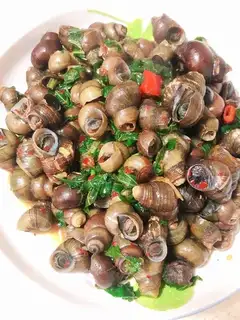
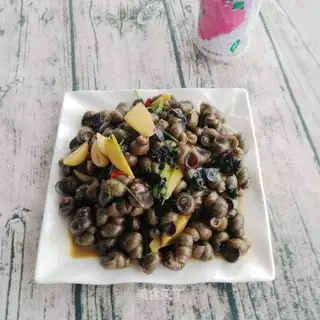
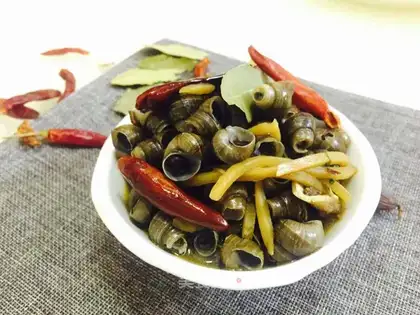
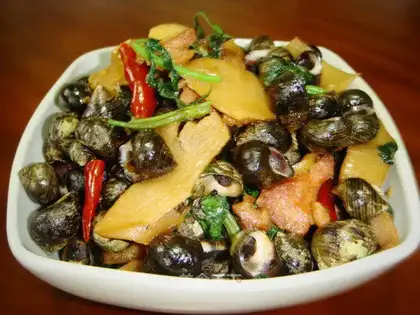
For centuries, river snails—locally known as shi luo in Chinese—have been a staple in cuisines across Asia, Africa, and Europe. These small, spiral-shelled mollusks thrive in freshwater habitats, from slow-moving rivers to rice paddies, and are celebrated for their unique texture, earthy flavor, and impressive nutritional profile. Yet, despite their popularity, many people remain unaware of the full extent of their health benefits, as well as the potential risks associated with improper consumption. This article explores the nutritional value of river snails, their documented health benefits, and the critical precautions to take when enjoying this delicacy.
Nutritional Value: A Compact Source of Essential Nutrients
River snails are often called “nature’s multivitamin” due to their dense concentration of vitamins, minerals, and protein. A 100-gram serving of cooked river snails contains approximately 90 calories, 18 grams of protein, and just 1.5 grams of fat, making them an excellent choice for those seeking high-nutrient, low-calorie foods.
1. High-Quality Protein
Protein is vital for muscle repair, immune function, and enzyme production, and river snails are a rich source of complete protein, containing all nine essential amino acids. Unlike many plant-based proteins, snail protein is highly bioavailable, meaning the body can easily absorb and utilize it. This makes river snails particularly valuable for athletes, individuals recovering from illness, or those following plant-forward diets looking to diversify their protein sources.
2. Essential Minerals
River snails are packed with minerals that are often lacking in modern diets:
- Iron: A 100-gram serving provides around 3.5 mg of iron, or roughly 20% of the daily recommended intake for adults. Iron is critical for hemoglobin production, which carries oxygen in the blood. Unlike iron from plant sources, the heme iron in snails is more easily absorbed by the body, making it an effective remedy for iron-deficiency anemia.
- Zinc: With approximately 2 mg per 100 grams, river snails support immune health, wound healing, and DNA synthesis. Zinc deficiency is linked to weakened immunity and slow growth, making snails a valuable dietary addition.
- Calcium and Phosphorus: These minerals work together to build and maintain strong bones and teeth. A serving of river snails contains around 100 mg of calcium and 150 mg of phosphorus, contributing to bone density and preventing osteoporosis.
- Magnesium: At ~25 mg per 100 grams, magnesium supports muscle function, nerve signaling, and blood sugar regulation.
3. Vitamins and Low-Fat Benefits
River snails are a rare source of vitamin B12, a nutrient almost exclusively found in animal products. B12 is essential for nerve function and the production of red blood cells, and deficiency can lead to anemia and neurological damage. For vegetarians or vegans who avoid meat, snails offer a unique way to obtain this vital vitamin.
Additionally, snails are low in saturated fat and contain heart-healthy omega-3 fatty acids, particularly EPA and DHA, which reduce inflammation and support brain health. Their low-fat profile also makes them a heart-healthy alternative to fattier meats like beef or pork.
Health Benefits: From Traditional Medicine to Modern Wellness
Beyond their nutritional content, river snails have been used in traditional medicine for centuries and are now gaining attention in modern nutrition science for their therapeutic properties.
1. Boosts Immune Function
The combination of zinc, vitamin B12, and protein in river snails strengthens the immune system. Zinc enhances the activity of white blood cells, which are responsible for fighting pathogens, while B12 supports the production of antibodies. Regular consumption may reduce the frequency of colds and infections, particularly in vulnerable populations like the elderly or immunocompromised individuals.
2. Supports Brain Health
Omega-3 fatty acids in snails are crucial for brain development and function. DHA, in particular, is a major component of brain tissue and has been linked to improved memory, focus, and mood regulation. Studies suggest that diets rich in omega-3s may reduce the risk of neurodegenerative diseases like Alzheimer’s and depression.
3. Promotes Heart Health
Snails are low in cholesterol and contain compounds like glycosaminoglycans, which help prevent blood clots and reduce arterial plaque buildup. Their omega-3s also lower triglyceride levels and decrease inflammation in blood vessels, reducing the risk of heart attacks and strokes.
4. Aids in Weight Management
With high protein and low fat, river snails promote satiety, helping to curb overeating and reduce overall calorie intake. Protein takes longer to digest than carbohydrates, keeping you feeling full longer, which can support weight loss or maintenance efforts.
5. Traditional and Medicinal Uses
In traditional Chinese medicine, river snails are believed to “clear heat” and detoxify the body. They are often used to treat conditions like jaundice, urinary tract infections, and inflammation. Modern research has begun to validate some of these claims: snail mucus, for example, contains antioxidants and antimicrobial compounds that may help heal wounds and reduce skin irritation.
食用禁忌 (Edible Precautions): Navigating the Risks
While river snails offer numerous health benefits, improper consumption can lead to serious health issues. Understanding these risks is crucial to enjoying snails safely.
1. Parasite Infection: The Primary Concern
River snails are intermediate hosts for parasites, particularly Angiostrongylus cantonensis (the rat lungworm), which can cause eosinophilic meningoencephalitis—a rare but potentially fatal infection of the brain and spinal cord. The parasite thrives in snails that feed on rat feces in contaminated water. To minimize risk:
- Cook Thoroughly: Boil snails for at least 5–10 minutes or fry them at high temperatures to kill parasites. Avoid eating snails raw or undercooked.
- Source from Reputable Suppliers: Purchase snails from markets that adhere to safety standards, such as those raised in controlled, clean environments rather than wild-caught from potentially polluted waters.
2. Heavy Metal Accumulation
Snails are filter feeders, meaning they absorb contaminants from their environment, including heavy metals like lead, cadmium, and mercury. These toxins can accumulate in their tissues over time, posing long-term health risks such as kidney damage and neurological disorders. To reduce exposure:
- Limit Consumption: Eat snails in moderation (no more than 2–3 times per week).
- Choose Clean Habitats: Opt for snails from farms or areas with minimal industrial pollution.
3. Allergic Reactions
While rare, some individuals may be allergic to snails due to their protein content. Symptoms can range from mild (hives, itching) to severe (anaphylaxis). Those with shellfish allergies should exercise caution, as snails belong to the same mollusk family and may trigger cross-reactivity.
4. High Cholesterol (Myth vs. Reality)
Contrary to popular belief, river snails are not high in cholesterol. A 100-gram serving contains just 50 mg of cholesterol, far less than eggs (186 mg) or shrimp (166 mg). Their low saturated fat content makes them a heart-healthy choice when consumed as part of a balanced diet.
5. Pregnancy and Children
Pregnant women, young children, and individuals with compromised immune systems should avoid raw or undercooked snails due to the risk of parasitic infection. Cooking thoroughly reduces this risk, but it is advisable to consult a healthcare provider before adding snails to the diet of vulnerable individuals.
Conclusion: A Delicacy Worth Savoring—Safely
River snails are a nutritional powerhouse, offering a unique combination of protein, vitamins, and minerals that support immune, heart, and brain health. Their low-fat, high-protein profile makes them an excellent addition to a balanced diet, while their culinary versatility—from stir-fries to soups—ensures they remain a beloved delicacy worldwide.
However, their safety hinges on proper handling and preparation. By sourcing snails from clean environments, cooking them thoroughly, and consuming them in moderation, diners can enjoy their benefits without falling prey to parasites or toxins. As with any food, knowledge and caution are key.
In a world where sustainable, nutrient-dense foods are increasingly valued, river snails stand out as a testament to nature’s bounty—offering both flavor and function, provided they are treated with the respect they deserve. Whether enjoyed as a traditional remedy or a modern superfood, river snails remind us that the smallest creatures often hold the greatest power to nourish and heal.