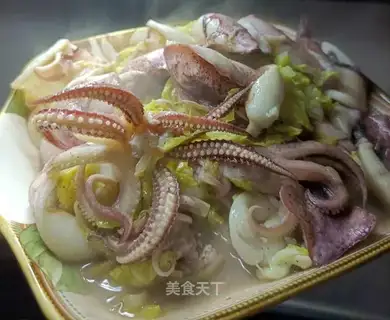
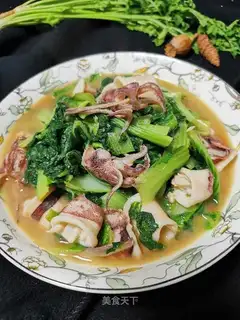
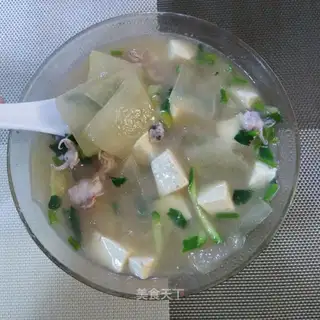
Pen shell squid (Engraulis japonicus or related species), known as "笔管鱼" in Chinese, is a slender, cephalopod mollusk resembling a writing pen, hence its name. Widely consumed across East Asia, particularly in China, Japan, and Korea, this seafood delicacy is prized for its tender texture, mild flavor, and impressive nutritional profile. Often compared to squid or cuttlefish, pen shell squid stands out for its unique balance of macronutrients, essential vitamins, and bioactive compounds. Beyond its culinary appeal, it has long been valued in traditional medicine and modern nutrition for its potential to support overall health. However, like all seafood, it requires careful preparation and awareness of certain dietary precautions. This article explores the nutritional value, health benefits, and consumption considerations of pen shell squid, offering a comprehensive guide for seafood enthusiasts and health-conscious individuals alike.
Nutritional Value of Pen Shell Squid
Pen shell squid is a nutritional powerhouse, offering a rich blend of high-quality protein, healthy fats, vitamins, and minerals—all while being relatively low in calories. A 100-gram serving of cooked pen shell squid (approximately 3.5 ounces) contains approximately 85–90 calories, 15–18 grams of protein, and 1–2 grams of fat, making it an excellent choice for those seeking to build muscle or maintain a healthy weight.
1. High-Quality Protein
Protein is essential for tissue repair, immune function, and enzyme production, and pen shell squid provides all nine essential amino acids the body cannot synthesize on its own. Its protein bioavailability is comparable to that of meat and poultry, but with less saturated fat, making it a superior option for plant-based or lean-diet enthusiasts. The amino acid profile is particularly rich in lysine and methionine, which support bone health and metabolic processes, respectively.
2. Healthy Fats and Omega-3 Fatty Acids
While low in total fat, pen shell squid is a notable source of omega-3 polyunsaturated fatty acids (PUFAs), specifically eicosapentaenoic acid (EPA) and docosahexaenoic acid (DHA). These "good fats" are critical for brain function, reducing inflammation, and lowering the risk of chronic diseases. A 100-gram serving provides approximately 200–300 milligrams of EPA and DHA, meeting 15–25% of the daily recommended intake for most adults. Omega-3s also support cardiovascular health by reducing triglycerides, improving blood vessel elasticity, and preventing blood clots.
3. Vitamins and Minerals
Pen shell squid is packed with essential micronutrients that are often lacking in modern diets:
- Vitamin B12: A single serving contains over 100% of the daily recommended intake of vitamin B12, a nutrient vital for nerve function, red blood cell formation, and DNA synthesis. Deficiency in B12 can lead to anemia and neurological disorders.
- Selenium: This trace mineral acts as a powerful antioxidant, protecting cells from oxidative damage and supporting thyroid function. Pen shell squid provides 50–70% of the daily selenium requirement per 100-gram serving.
- Iron: Unlike plant-based iron (non-heme), the iron in pen shell squid is heme iron, which is more easily absorbed by the body. A 100-gram serving supplies 15–20% of the daily iron needs, making it beneficial for preventing iron-deficiency anemia, especially in women and children.
- Zinc: Essential for immune function, wound healing, and cell growth, zinc is abundant in pen shell squid, with one serving providing 20–30% of the daily requirement.
- Copper and Phosphorus: These minerals support energy production, bone health, and antioxidant defense. Copper aids in iron absorption, while phosphorus works with calcium to maintain strong bones and teeth.
4. Low in Calories and Sodium
For those monitoring calorie or sodium intake, pen shell squid is an ideal choice. It contains minimal carbohydrates (less than 5 grams per 100 grams) and no sugar. When prepared without added salt (e.g., steamed or grilled), it is naturally low in sodium, making it suitable for individuals with hypertension or kidney concerns.
Health Benefits of Pen Shell Squid
The unique combination of nutrients in pen shell squid translates to a range of health benefits, from improved heart and brain health to enhanced immune function.
1. Supports Cardiovascular Health
The omega-3 fatty acids (EPA and DHA) in pen shell squid are well-documented for their cardioprotective effects. They reduce inflammation in blood vessels, lower triglyceride levels, and decrease the risk of arrhythmias and atherosclerosis. Additionally, the selenium and vitamin B12 in pen shell squid help regulate homocysteine levels—an amino acid linked to heart disease when elevated. Studies show that regular consumption of omega-3-rich seafood can reduce the risk of heart attacks by up to 36%.
2. Boosts Brain Function and Mental Health
DHA, a key omega-3 in pen shell squid, is a primary structural component of the brain and retina. It supports cognitive function, memory retention, and learning abilities. Research suggests that adequate DHA intake may reduce the risk of age-related cognitive decline, Alzheimer’s disease, and depression. For pregnant and breastfeeding women, DHA is critical for fetal brain and eye development, making pen shell squid a valuable addition to their diet.
3. Enhances Immune Function
The high protein, zinc, selenium, and vitamin B12 content in pen shell squid strengthens the immune system. Zinc stimulates the production of immune cells, while selenium and vitamin B12 support antibody production and oxidative stress defense. A robust immune system helps the body fight infections, reduce inflammation, and recover from illness more efficiently.
4. Promotes Muscle Growth and Repair
With its high-quality protein and low calorie content, pen shell squid is an excellent food for athletes, fitness enthusiasts, and older adults. Protein provides the amino acids needed to repair muscle tissue after exercise and prevent age-related muscle loss (sarcopenia). The iron and B12 in pen shell squid also support oxygen transport to muscles, reducing fatigue and improving exercise performance.
5. Supports Weight Management
Pen shell squid’s low calorie, high protein, and high fiber (from its natural collagen) content make it a filling food that aids weight management. Protein increases satiety, reducing overall calorie intake, while the lack of carbohydrates prevents blood sugar spikes and cravings. Additionally, the omega-3 fatty acids may enhance metabolism by promoting fat oxidation.
6. Improves Skin and Hair Health
The collagen, vitamin E, and omega-3s in pen shell squid contribute to healthy skin and hair. Collagen maintains skin elasticity and reduces wrinkles, while vitamin E and omega-3s protect against UV damage and inflammation. Zinc and selenium also support skin repair and reduce acne by regulating oil production.
Precautions and Consumption Considerations
While pen shell squid offers numerous health benefits, it is important to consume it in moderation and with awareness of potential risks.
1. Mercury and Heavy Metal Contamination
Like all seafood, pen shell squid may contain trace amounts of mercury, a toxic metal that accumulates in the food chain. High mercury intake can impair neurological function, especially in pregnant women, young children, and nursing mothers. However, pen shell squid is generally low in mercury compared to large predatory fish (e.g., shark, swordfish). To minimize risk, limit consumption to 2–3 servings per week (approximately 150–200 grams per serving) and choose wild-caught or sustainably farmed sources.
2. Allergic Reactions
Cephalopods like pen shell squid are common allergens, and reactions can range from mild (hives, itching) to severe (anaphylaxis). Individuals with shellfish or squid allergies should avoid pen shell squid entirely. Those trying it for the first time should start with a small portion and monitor for adverse reactions.
3. Purine Content and Gout
Pen shell squid is moderately high in purines, natural compounds that break down into uric acid. In excess, uric acid can crystallize in joints, causing gout—a painful form of arthritis. Individuals with gout or high uric acid levels should limit their intake to 1 serving per week and avoid combining it with other high-purine foods (e.g., organ meats, certain legumes).
4. Preparation and Cooking Methods
The health benefits of pen shell squid depend heavily on preparation. Deep-frying or adding high-sodium sauces (e.g., soy sauce, MSG) can negate its low-calorie and low-sodium advantages. Opt for steaming, grilling, boiling, or stir-frying with minimal oil and salt. Avoid overcooking, as this can make the texture rubbery and reduce nutrient retention.
5. Sustainability and Sourcing
Overfishing and habitat destruction threaten marine ecosystems, so choosing sustainable pen shell squid is crucial. Look for certifications from the Marine Stewardship Council (MSC) or buy from reputable suppliers that adhere to fishing quotas and environmental regulations. Farmed pen shell squid is a more sustainable option if raised without antibiotics or harmful chemicals.
Conclusion
Pen shell squid is a nutrient-dense seafood that offers a unique combination of high-quality protein, omega-3 fatty acids, vitamins, and minerals. Its health benefits—from improved heart and brain function to enhanced immunity and weight management—make it a valuable addition to a balanced diet. However, mindful consumption is key: limit intake to avoid mercury exposure, avoid if allergic, and choose sustainable sources. When prepared healthily, pen shell squid can be a delicious and versatile ingredient that supports overall well-being. Whether steamed, grilled, or added to soups and salads, this humble seafood proves that good taste and good health can go hand in hand.