Pig’s ear, a often overlooked yet versatile ingredient, has long been celebrated in cuisines worldwide for its unique texture, rich flavor, and nutritional benefits. From crispy braised dishes in Chinese cuisine to tangy pickled appetizers in European traditions, this offal offers more than just gastronomic pleasure. Packed with essential nutrients, pig’s ear can be a valuable addition to a balanced diet when consumed in moderation. However, like all foods, it comes with specific considerations for safe and healthy consumption. This article explores the nutritional profile, health benefits, potential risks, and culinary uses of pig’s ear, providing a comprehensive guide for food enthusiasts and health-conscious individuals alike.
Nutritional Profile of Pig’s Ear
Pig’s ear is a nutrient-dense meat product, offering a unique combination of proteins, vitamins, and minerals while remaining relatively low in calories. A 100-gram serving of cooked pig’s ear contains approximately:
- Protein: 20-25 grams, making it an excellent source of high-quality protein. Protein is essential for muscle repair, immune function, and overall growth, and pig’s ear provides all essential amino acids, including lysine, leucine, and valine.
- Fat: 10-15 grams, with a balanced ratio of saturated, monounsaturated, and polyunsaturated fats. The fat content contributes to its tender, gelatinous texture, which is prized in many dishes.
- Collagen: Pig’s ear is exceptionally rich in collagen, a structural protein that accounts for nearly 30% of its total protein. Collagen is vital for skin elasticity, joint health, and connective tissue repair. When cooked slowly, collagen breaks down into gelatin, which is easily digestible and supports gut health.
- Minerals: It is a good source of essential minerals, including iron (1.5-2 mg per 100g), crucial for oxygen transport and anemia prevention; zinc (2-3 mg), which boosts immune function and wound healing; phosphorus (150-200 mg), important for bone health; and copper (0.1-0.2 mg), which aids in iron metabolism and antioxidant production.
- Vitamins: While not as vitamin-rich as some other organ meats, pig’s ear contains small amounts of B vitamins, such as niacin (B3), riboflavin (B2), and vitamin B12, which play key roles in energy metabolism and nervous system health.
Notably, pig’s ear is low in carbohydrates (less than 1 gram per 100g) and contains no fiber, making it a suitable option for low-carb or ketogenic diets when prepared without high-carb additives.
Health Benefits of Pig’s Ear
The nutritional composition of pig’s ear translates to several health benefits, particularly when consumed as part of a varied diet.
1. Supports Skin, Hair, and Joint Health
Collagen is the most abundant protein in the human body, responsible for maintaining the structure of skin, bones, and cartilage. As we age, collagen production declines, leading to wrinkles, joint pain, and reduced mobility. The high collagen content in pig’s ear helps replenish the body’s collagen stores, promoting skin elasticity, reducing fine lines, and supporting joint flexibility. Gelatin derived from cooked collagen also aids in gut lining repair, making it beneficial for individuals with digestive issues like leaky gut syndrome.
2. Enhances Muscle Growth and Repair
With its high protein content, pig’s ear is an ideal food for athletes, fitness enthusiasts, and those recovering from illness or injury. Protein provides the building blocks for muscle tissue, and the essential amino acids in pig’s ear, such as leucine, stimulate muscle protein synthesis (MPS). This makes it a valuable alternative to conventional muscle-building foods like chicken or beef, offering a unique texture and flavor profile.
3. Boosts Immune Function
Pig’s ear is rich in zinc and vitamin B12, both of which are critical for a healthy immune system. Zinc helps regulate immune cell activity and reduces inflammation, while vitamin B12 supports the production of white blood cells. Adequate intake of these nutrients can help the body fight infections and reduce the risk of chronic diseases.
4. Improves Iron Levels and Prevents Anemia
Iron deficiency is one of the most common nutritional deficiencies worldwide, leading to fatigue, weakness, and impaired cognitive function. Pig’s ear contains heme iron, the type of iron found in animal products, which is more easily absorbed by the body than non-heme iron (from plant sources). A single serving of pig’s ear can provide 10-15% of the daily recommended iron intake, making it a valuable food for individuals at risk of anemia, such as pregnant women, children, and menstruating individuals.
5. Promotes Healthy Skin and Wound Healing
The combination of zinc, vitamin B12, and collagen in pig’s ear supports skin health and wound healing. Zinc accelerates cell regeneration, while collagen provides the structural framework for new tissue growth. Vitamin B12, on the other hand, helps reduce inflammation and improve blood flow to the skin, speeding up the healing process of cuts, burns, or ulcers.
Potential Risks and Consumption Considerations
While pig’s ear offers numerous health benefits, it is important to be aware of potential risks associated with its consumption, particularly when it comes to sourcing, preparation, and dietary balance.
1. High Cholesterol and Saturated Fat Content
Pig’s ear contains moderate levels of cholesterol (around 50-70 mg per 100g) and saturated fat. While dietary cholesterol has less impact on blood cholesterol levels than previously thought (for most people), excessive saturated fat intake can raise LDL (“bad”) cholesterol and increase the risk of heart disease. Individuals with existing cardiovascular conditions or high cholesterol should consume pig’s ear in moderation and opt for leaner cooking methods, such as boiling or steaming, rather than deep-frying.
2. Risk of Contamination and Foodborne Illness
As with all animal products, pig’s ear can carry harmful bacteria such as Salmonella, E. coli, or Listeria if not handled or cooked properly. To minimize this risk:
- Source from reputable suppliers: Choose fresh, high-quality pig’s ear from trusted butchers or markets, ensuring it is stored and handled under hygienic conditions.
- Thorough cooking: Cook pig’s ear to an internal temperature of at least 70°C (160°F) to kill bacteria. Slow cooking methods, such as braising or stewing, are not only effective for tenderizing the ears but also ensure safe consumption.
- Avoid cross-contamination: Use separate cutting boards and utensils for raw pig’s ear to prevent spreading bacteria to other foods.
3. High Sodium Content in Processed Varieties
Many commercially available pig’s ear products, such as pickled or smoked ears, are high in sodium due to the addition of salt or preservatives. Excessive sodium intake can lead to high blood pressure and an increased risk of stroke and kidney disease. To reduce sodium intake, opt for fresh pig’s ear and limit the use of soy sauce, salt, or other high-sodium seasonings during preparation.
4. Purine Content and Gout Risk
Pig’s ear is moderately high in purines, natural compounds that break down into uric acid in the body. High uric acid levels can trigger gout, a painful form of arthritis characterized by joint inflammation. Individuals with gout or a history of kidney stones should avoid or strictly limit their intake of purine-rich foods, including pig’s ear.
5. Environmental and Ethical Considerations
While not a direct health risk, the production and consumption of offal like pig’s ear raise environmental and ethical questions. Offal is often a byproduct of the meat industry, and utilizing it can reduce food waste. However, choosing sustainably sourced pork and supporting ethical farming practices can further minimize the environmental impact of consumption.
Culinary Uses and Preparation Tips
Pig’s ear is a versatile ingredient that can be prepared in numerous ways, depending on cultural preferences and desired textures. Here are some popular culinary methods:
1. Braised or Stewed
Braising is one of the most common methods for cooking pig’s ear, as it slowly breaks down collagen, resulting in a tender, gelatinous texture. In Chinese cuisine, braised pig’s ear is often flavored with soy sauce, star anise, cinnamon, and ginger, then served as a cold appetizer or hot side dish. The ears can also be simmered with vegetables like carrots and mushrooms for a hearty stew.
2. Pickled
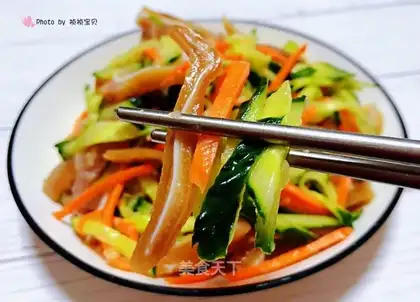
Pickled pig’s ear is a popular snack in many European and Asian countries. The ears are first boiled until tender, then marinated in a solution of vinegar, salt, sugar, and spices such as garlic and chili. Pickling not only preserves the ears but also adds a tangy, crunchy texture that pairs well with beer or rice.
3. Fried or Crispy
For a crispy texture, pig’s ears can be deep-fried or air-fried after boiling. The outer skin becomes crunchy, while the inner layer remains tender. Crispy pig’s ear is often seasoned with salt, pepper, or chili powder and served as a bar snack or salad topping.
4. Stir-Fried
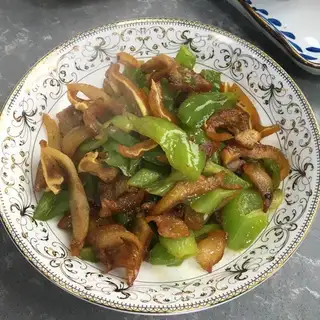
Thinly sliced pig’s ear can be stir-fried with vegetables, sauces, and spices for a quick and flavorful dish. In Thai cuisine, for example, stir-fried pig’s ear is often cooked with holy basil, chili, and fish sauce, creating a spicy and aromatic meal.
5. Added to Soups or Broths
The collagen-rich gelatin from slow-cooked pig’s ear can add body and richness to soups and broths. In some cultures, pig’s ear is simmered for hours to make a nutrient-dense stock, which is then used as a base for noodle soups or stews.
Conclusion
Pig’s ear is a nutrient-packed ingredient that offers a unique combination of protein, collagen, and essential minerals, supporting skin health, muscle growth, and immune function. While it provides numerous benefits, moderation is key—particularly for individuals with heart disease, gout, or high cholesterol. By sourcing high-quality ears, cooking them thoroughly, and preparing them in healthy ways, pig’s ear can be a delicious and nutritious addition to a balanced diet. Whether enjoyed braised, pickled, or fried, this versatile offal showcases the culinary potential of often underappreciated ingredients, proving that flavor and nutrition can go hand in hand.
As the global interest in nose-to-tail eating grows, pig’s ear is gaining recognition as a sustainable and flavorful choice. By understanding its nutritional value, health benefits, and potential risks, consumers can make informed decisions and appreciate this ingredient in all its culinary and nutritional glory.