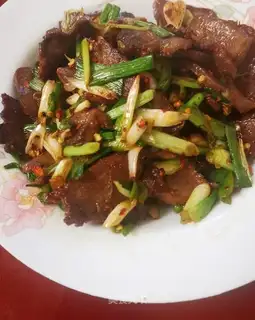
Pork tongue, a delicacy enjoyed in cuisines worldwide, is often celebrated for its unique texture—tender yet slightly chewy—and its versatility in dishes from tacos to stews. Beyond its culinary appeal, pork tongue is a nutrient-dense ingredient that offers a range of health benefits when consumed in moderation. However, like offal or organ meats, it also comes with important considerations for safe and healthy consumption. This article explores the nutritional profile of pork tongue, its potential health benefits, and key precautions to keep in mind when incorporating it into your diet.
Nutritional Profile of Pork Tongue
Pork tongue is a rich source of high-quality protein, essential vitamins, and minerals, making it a valuable addition to a balanced diet. A 100-gram serving of cooked pork tongue (approximately half a medium-sized tongue) contains approximately:
- Protein: 22–25 grams, providing all nine essential amino acids necessary for muscle repair, immune function, and enzyme production. This makes it comparable to lean cuts of pork or beef in protein content.
- Fat: 12–15 grams, with a mix of saturated and unsaturated fats. While it contains more fat than lean meats like chicken breast, the fat includes monounsaturated fats (e.g., oleic acid) and conjugated linoleic acid (CLA), which may offer health benefits when consumed as part of a varied diet.
- Vitamins:
- Vitamin B12: 3–4 micrograms (over 100% of the Daily Value), crucial for nerve function, red blood cell formation, and DNA synthesis.
- Niacin (Vitamin B3): 4–5 mg (25–30% DV), supporting energy metabolism and skin health.
- Riboflavin (Vitamin B2): 0.3–0.4 mg (20–25% DV), aiding in energy production and antioxidant defense.
- Vitamin A: 150–200 IU (3–5% DV), important for vision and immune health.
- Minerals:
- Iron: 2–3 mg (15–20% DV), with heme iron (more easily absorbed than non-heme iron) to prevent anemia.
- Zinc: 2–2.5 mg (20–25% DV), vital for immune function, wound healing, and DNA synthesis.
- Selenium: 20–25 micrograms (35–45% DV), a powerful antioxidant that supports thyroid health and reduces oxidative stress.
- Phosphorus: 150–200 mg (15–20% DV), essential for bone health and energy metabolism.
Notably, pork tongue is also low in carbohydrates (less than 1 gram per 100 grams) and contains no fiber, making it suitable for low-carb or ketogenic diets.
Health Benefits of Pork Tongue
The nutrient density of pork tongue translates to several potential health benefits, particularly when consumed as part of a whole-foods diet.
1. Supports Muscle Maintenance and Growth
With its high protein content and complete amino acid profile, pork tongue is an excellent choice for athletes, older adults, or anyone looking to preserve muscle mass. Protein provides the building blocks for muscle tissue repair and growth, and the amino acids leucine, isoleucine, and valine (branched-chain amino acids) in pork tongue further stimulate muscle protein synthesis.
2. Boosts Energy Metabolism
Pork tongue is rich in B vitamins, which act as coenzymes in converting food into energy. Vitamin B12, in particular, is critical for preventing fatigue and weakness, as deficiency can lead to megaloblastic anemia—a condition characterized by reduced red blood cell production and impaired oxygen delivery to tissues.
3. Enhances Immune Function
The zinc and selenium in pork tongue play key roles in immune health. Zinc supports the development and function of immune cells, such as neutrophils and natural killer cells, while selenium enhances the activity of antioxidants like glutathione, which protects immune cells from oxidative damage.
4. Promotes Brain and Nerve Health
Vitamin B12 is essential for maintaining the myelin sheath, a protective covering around nerve fibers that ensures efficient signal transmission between the brain and body. Adequate B12 intake may reduce the risk of neurodegenerative conditions, such as Alzheimer’s disease, and prevent peripheral neuropathy (nerve damage) commonly seen in B12-deficient individuals.
5. Supports Skin and Hair Health
Niacin (Vitamin B3) in pork tongue helps maintain the skin’s barrier function, reducing moisture loss and protecting against environmental damage. It also supports collagen production, which is vital for skin elasticity and wound healing. Additionally, the protein and zinc in pork tongue contribute to strong, healthy hair by supporting keratin production and follicle health.
6. Provides Heme Iron for Anemia Prevention
Iron deficiency is one of the most common nutritional deficiencies worldwide, leading to anemia, fatigue, and impaired cognitive function. Pork tongue contains heme iron, which is 2–3 times more easily absorbed by the body than non-heme iron (found in plant foods). For individuals with increased iron needs, such as pregnant women or menstruating individuals, pork tongue can be a valuable dietary source.
Precautions and Potential Risks
While pork tongue offers numerous health benefits, it is important to consume it mindfully to avoid potential risks.
1. High Cholesterol and Saturated Fat Content
Pork tongue contains approximately 300–350 milligrams of cholesterol per 100 grams—significantly higher than lean cuts of meat (e.g., chicken breast, which has 60–70 mg per 100 grams). It is also relatively high in saturated fat (4–5 grams per 100 grams). For individuals with high cholesterol, heart disease, or a family history of cardiovascular conditions, moderation is key. The American Heart Association recommends limiting dietary cholesterol to 300 milligrams per day (200 mg for those with heart disease), so a single serving of pork tongue could exceed this limit.
2. Risk of Contaminants and Additives
Pork tongue, like other organ meats, may accumulate environmental toxins or residues from animal feed. To minimize risk, choose high-quality, pasture-raised, or organic pork from reputable sources. Additionally, some commercially processed pork products (e.g., cured or smoked tongue) may contain high levels of sodium or preservatives (e.g., nitrates), which can increase blood pressure and the risk of chronic diseases when consumed excessively. Opt for fresh, minimally processed pork tongue whenever possible.
3. Food Safety Concerns
Pork tongue, like all pork products, must be cooked thoroughly to kill harmful bacteria such as Salmonella, E. coli, and Yersinia. The USDA recommends cooking pork to an internal temperature of 145°F (63°C) with a 3-minute rest time to ensure safety. Avoid consuming raw or undercooked pork tongue to reduce the risk of foodborne illness.
4. Moderation for Specific Populations
- Individuals with Gout: Pork tongue is moderately high in purines (compounds that break down into uric acid), which can trigger gout attacks in susceptible individuals. Limiting intake to 1–2 servings per week is advisable.
- Pregnant Women: While pork tongue is a good source of iron and B12, pregnant women should ensure it is fully cooked to avoid toxoplasmosis, a parasitic infection that can harm the fetus.
- Those with Kidney Disease: Pork tongue is high in protein and phosphorus, which may strain kidney function in individuals with kidney disease. Consult a healthcare provider before including it in the diet.
Conclusion
Pork tongue is a nutrient-rich ingredient that offers a unique combination of high-quality protein, essential vitamins (especially B12 and B vitamins), and minerals (iron, zinc, and selenium). Its potential health benefits include supporting muscle growth, boosting energy, enhancing immune function, and promoting brain and skin health. However, due to its high cholesterol, saturated fat, and purine content, moderation is crucial—particularly for individuals with heart disease, gout, or kidney conditions. By choosing high-quality, fresh pork tongue and cooking it thoroughly, you can enjoy its culinary and nutritional benefits as part of a balanced, varied diet.
Incorporating pork tongue into meals—whether grilled, braised, or added to stews—can add both flavor and nutritional diversity. As with any food, the key is balance: enjoy it mindfully, prioritize whole, unprocessed sources, and tailor intake to your individual health needs.