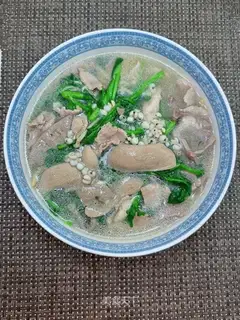
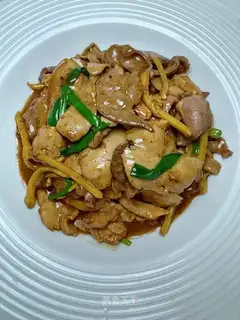
Lean meat, defined as meat with low fat content (typically less than 10% fat by weight), is a staple in diets worldwide, valued for its dense nutritional profile and versatility. From chicken breast and turkey to pork loin and beef sirloin, lean meat serves as a primary source of high-quality protein, essential vitamins, and minerals. However, its consumption is often debated due to concerns about saturated fat, cholesterol, and processing methods. This article explores the nutritional value of lean meat, its health benefits, and important precautions to maximize its advantages while minimizing risks.
Nutritional Value of Lean Meat
Lean meat is a nutritional powerhouse, offering a concentrated blend of macronutrients and micronutrients vital for human health.
1. High-Quality Protein
Protein is the most abundant nutrient in lean meat, comprising 20–30% of its weight. Unlike plant proteins, meat protein is “complete,” containing all nine essential amino acids (histidine, isoleucine, leucine, lysine, methionine, phenylalanine, threonine, tryptophan, and valine) that the body cannot synthesize. These amino acids are the building blocks of muscles, enzymes, hormones, and immune cells. For instance, leucine stimulates muscle protein synthesis, making lean meat particularly beneficial for athletes and individuals recovering from injuries. A 100-gram serving of grilled chicken breast provides approximately 31 grams of protein, meeting over 60% of the daily protein requirement for an average adult.
2. Essential Vitamins
Lean meat is rich in B vitamins, which play critical roles in energy metabolism, brain function, and red blood cell production.
- Vitamin B12 (Cobalamin): Abundant in animal products, B12 is essential for nerve function and DNA synthesis. A deficiency can lead to anemia, fatigue, and neurological damage. A 100-gram serving of lean beef provides approximately 2.6 micrograms of B12, exceeding the daily recommended intake (2.4 micrograms).
- Vitamin B6 (Pyridoxine): Involved in protein metabolism and neurotransmitter synthesis, B6 supports immune health and cognitive function. Lean chicken and pork are excellent sources, with a 100-gram portion offering 0.5–0.7 milligrams (25–35% of the daily value).
- Niacin (B3): Supports energy production and skin health. Lean meat provides niacin in the form of nicotinamide, which is easily absorbed.
3. Key Minerals
- Iron: Lean meat is a “heme iron” source, which is more bioavailable than the non-heme iron found in plants. Heme iron enhances oxygen transport in the blood and prevents iron-deficiency anemia. A 100-gram serving of lean beef contains approximately 2.7 milligrams of iron, meeting 15% of the daily requirement for women and 30% for men.
- Zinc: Critical for immune function, wound healing, and DNA synthesis. Lean meat, particularly beef and lamb, provides 4–7 milligrams of zinc per 100 grams, covering 30–50% of the daily value.
- Selenium: Acts as an antioxidant, protecting cells from damage. Lean pork and turkey are rich in selenium, with a 100-gram portion providing 20–30 micrograms (36–54% of the daily value).
4. Low in Fat and Calories
Lean meat is naturally low in saturated fat compared to fatty cuts (e.g., bacon, ribeye). For example, a 100-gram serving of skinless chicken breast contains 3.6 grams of fat, of which only 1 gram is saturated. This makes it an ideal choice for weight management, as high-protein diets promote satiety and reduce overall calorie intake.
Health Benefits of Lean Meat
Regular consumption of lean meat, as part of a balanced diet, is associated with several health benefits.
1. Muscle Maintenance and Growth
The high-quality protein and leucine in lean meat make it indispensable for preserving muscle mass, especially in older adults and athletes. Sarcopenia (age-related muscle loss) can lead to weakness and frailty, but adequate protein intake from lean meat slows this process. A study published in The American Journal of Clinical Nutrition found that older adults who consumed lean meat daily had 25% greater muscle mass than those on a meat-free diet.
2. Weight Management
Protein-rich foods increase satiety by stimulating the release of satiety hormones (e.g., peptide YY) and reducing ghrelin (the “hunger hormone”). A review in Obesity Reviews concluded that high-protein diets, including those with lean meat, promote fat loss while preserving lean mass. Additionally, the thermic effect of protein (energy expended during digestion) is higher than that of carbs or fats, further aiding weight control.
3. Improved Immune Function
Lean meat’s zinc, selenium, and B6 content supports immune health. Zinc deficiency impairs immune cell development, increasing susceptibility to infections. Selenium enhances antioxidant defenses, reducing inflammation. A 2018 study in The Journal of Nutrition found that individuals with adequate zinc levels had a 33% lower risk of pneumonia.
4. Enhanced Cognitive Health
Vitamin B12 and iron in lean meat are vital for brain function. B12 deficiency is linked to memory loss and depression, while iron ensures oxygen supply to the brain. A study in Neurology showed that older adults with higher B12 levels had better cognitive performance and a reduced risk of dementia.
5. Reduced Risk of Nutrient Deficiencies
For populations with limited access to diverse foods (e.g., children, pregnant women, and low-income groups), lean meat is a reliable source of nutrients like iron, B12, and zinc. Iron deficiency anemia affects 1.6 billion people globally, and lean meat can help prevent this, particularly in pregnant women, who require 27 milligrams of iron daily.
Precautions and Potential Risks
While lean meat offers numerous benefits, certain precautions must be taken to avoid health risks.
1. Moderation in Saturated Fat and Cholesterol
Though lean meat is low in fat, some cuts (e.g., pork loin, beef round) still contain moderate saturated fat. Excessive saturated fat intake raises LDL (“bad”) cholesterol, increasing the risk of heart disease. The American Heart Association recommends limiting saturated fat to less than 5–6% of daily calories (13–15 grams for a 2,000-calorie diet). Choosing lean cuts (e.g., “loin,” “round,” or “sirloin”) and trimming visible fat can reduce intake.
2. Processed Meats: A Word of Caution
Processed lean meats (e.g., deli meats, sausages, and low-fat jerky) often contain additives like sodium, nitrites, and preservatives. High sodium intake is linked to hypertension, while nitrites may form carcinogenic compounds (e.g., nitrosamines) when cooked at high temperatures. The World Health Organization classifies processed meats as Group 1 carcinogens, associating them with colorectal cancer. Limiting processed meats and opting for fresh, unprocessed lean meat is advisable.
3. Cooking Methods Matter
High-temperature cooking (e.g., grilling, frying) can create harmful compounds like heterocyclic amines (HCAs) and polycyclic aromatic hydrocarbons (PAHs), which are linked to cancer. To minimize risks:
- Use lower-temperature methods (e.g., baking, steaming, or poaching).
- Avoid charring meat; trim fat to reduce flare-ups.
- Marinate meat with herbs (e.g., rosemary, garlic) to reduce HCA formation by up to 90%.
4. Individual Health Considerations
- Heart Disease: Individuals with high cholesterol or heart disease should opt for lean poultry or fish and limit red meat to 1–2 servings weekly.
- Kidney Disease: Excessive protein intake can strain kidneys. Those with kidney disease should consult a doctor to determine safe portions.
- Gout: Purines in meat (especially organ meats and game) can trigger gout attacks. Limiting high-purine meats and staying hydrated is recommended.
5. Sustainable and Ethical Sourcing
While not a direct health risk, the environmental and ethical impact of meat production is increasingly relevant. Choosing lean meat from grass-fed, pasture-raised, or organic sources may reduce exposure to antibiotics and hormones, though scientific evidence on health benefits is mixed. Additionally, moderating meat consumption (e.g., adopting a “flexitarian” diet) can lower one’s carbon footprint.
Conclusion
Lean meat is a nutrient-dense food that supports muscle health, weight management, immune function, and cognitive performance. Its high-quality protein, essential vitamins, and minerals make it a valuable component of a balanced diet, particularly for vulnerable populations like children, pregnant women, and older adults. However, moderation, proper cooking methods, and avoidance of processed meats are crucial to mitigating risks associated with saturated fat, cholesterol, and carcinogens. By incorporating lean meat wisely—focusing on fresh, unprocessed cuts and balancing it with plant-based foods—individuals can harness its benefits while promoting long-term health and sustainability. As with all foods, the key lies in informed choices and mindful consumption.