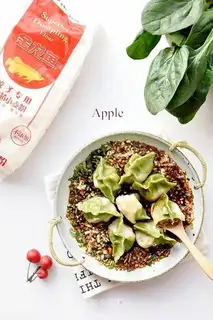
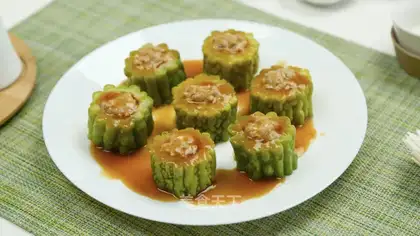
A dumpling, with vegetables and meat and mushrooms, is more nutritionally comprehensive. Don't look at the raspberry smelt, but it's quite good when it's covered in dumplings, and it's more saliva with a few pickles. The fungus itself chews up the taste of meat, and the taste of meat becomes thicker when it's not known in advance. Creamfish dumplings, 300 grams of water, 80 grams of spinach juice, 90 grams of pork, 300 grams of fungus, two spoons of sesame oil, and a large spoon of pepper, 1 gram of salt, with enough oil。
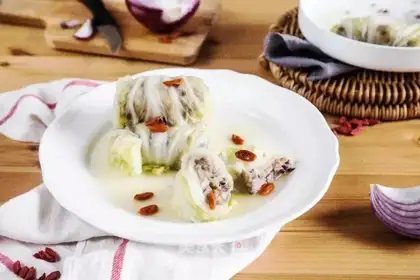
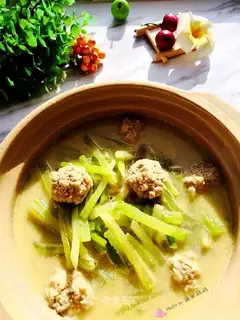
If we choose the most common Chinese food on the table, the cabbage will have a place. Or cooking soup, or fried, or condensing, or cholesterol with a little sweetness, which is not only delicious but also nutritious and contains abundant vitamins and coarse fibres, as well as fruit and glue contained in cabbage, may also help to remove extra cholesterol from the body. The name of the cabbage was used to be “single”, and it was cultivated during the spring and autumn wars. North and South are among the most commonly eaten vegetables in South China. Tang Dynasty has a variety of varieties, including white, purple and oxen. At the time of Yuan Dynasty, the people began to call it “breed”. The Ming Dynasty Medicalist Lee Tsai-jin wrote in this "The winter and winter fall, it's common, it's loose. It's a common cabbage. It's clean." In winter, the weather is dry, and more cabbage is available, which can be very good for the drying and skin protection. For Chinese people who like to placate, it's the blessed and obnoxious foods of the Spring Festival, and the mashed potatoes and plasters of the cabbage, like an emerald white roll, add a few nice words to the spring table。