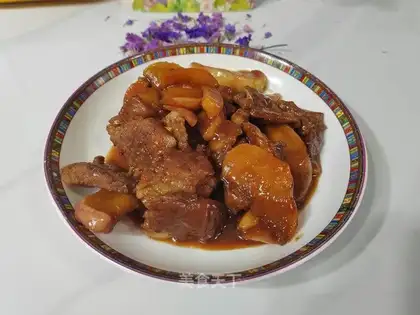
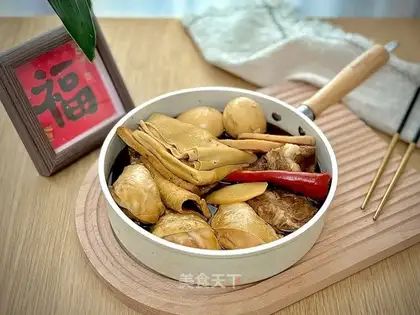
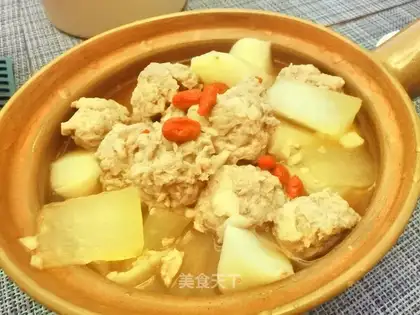
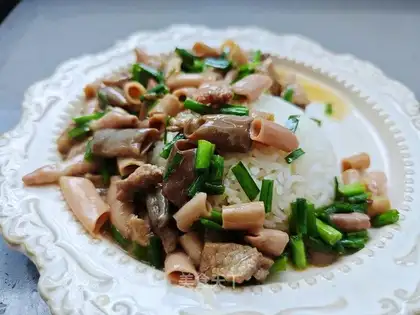
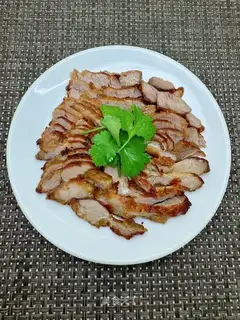
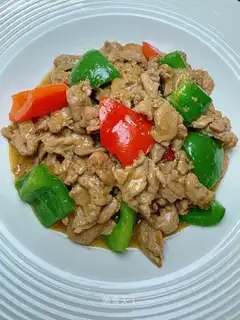
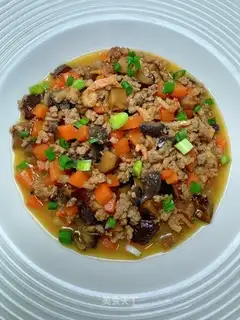
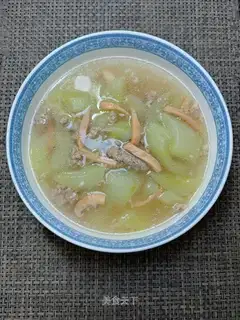
Pork, one of the most widely consumed meats globally, is prized for its versatility, flavor, and nutritional profile. Among its various cuts, pork tenderloin—often referred to as "plum blossom meat" (梅花肉) in Chinese cuisine—stands out for its unique texture, leanness, and culinary adaptability. Named for its distinctive marbling, which resembles the delicate petals of a plum blossom, this cut is derived from the psoas major muscle, a lightly worked area that ensures tenderness. Beyond its culinary appeal, pork tenderloin offers a range of nutritional benefits, though it also requires mindful consumption to maximize its health advantages. This article explores the nutritional value of pork tenderloin, its health benefits, and important precautions for safe and optimal consumption.
I. Nutritional Value of Pork Tenderloin
Pork tenderloin is a nutrient-dense meat, rich in high-quality protein, essential vitamins, and minerals, while being relatively low in fat compared to other pork cuts. A 100-gram serving of cooked pork tenderloin (without added fat) provides approximately:
1. High-Quality Protein
Protein is vital for muscle repair, immune function, and overall growth. Pork tenderloin contains about 22-23 grams of protein per 100 grams, making it an excellent source of complete protein. It provides all nine essential amino acids (histidine, isoleucine, leucine, lysine, methionine, phenylalanine, threonine, tryptophan, and valine) that the body cannot synthesize independently. This amino acid profile supports muscle maintenance, particularly for athletes, older adults, and individuals recovering from illness.
2. Essential Vitamins
- Vitamin B1 (Thiamine): Pork tenderloin is one of the best dietary sources of vitamin B1, with approximately 0.6-0.7 mg per 100 grams—over 50% of the daily recommended intake. Thiamine plays a critical role in energy metabolism, helping convert carbohydrates into energy and supporting nervous system function. A deficiency can lead to fatigue, nerve damage, or beriberi.
- Vitamin B6: This cut provides about 0.5 mg of vitamin B6 per 100 grams, contributing to protein metabolism, red blood cell production, and cognitive health. Vitamin B6 also aids in the synthesis of neurotransmitters like serotonin and dopamine, which regulate mood and sleep.
- Vitamin B12: Essential for nerve function and DNA synthesis, vitamin B12 is found almost exclusively in animal products. Pork tenderloin offers approximately 0.6 mcg per 100 grams, making it valuable for vegetarians and vegans who may lack this nutrient (though it is less concentrated than in organ meats).
- Niacin (Vitamin B3): With around 6-7 mg per 100 grams, niacin supports energy production, skin health, and cholesterol regulation. It helps convert food into energy and maintains the integrity of the digestive system and nervous system.
3. Key Minerals
- Selenium: A potent antioxidant, selenium is abundant in pork tenderloin (about 20-25 mcg per 100 grams). It protects cells from oxidative damage, supports thyroid function, and boosts immune health. Brazil nuts and seafood are other selenium sources, but pork tenderloin provides a convenient option for those with limited access to these foods.
- Zinc: This mineral is crucial for immune function, wound healing, and DNA synthesis. Pork tenderloin contains approximately 1.5-2 mg of zinc per 100 grams, contributing to daily needs (especially important for men, as zinc supports prostate health).
- Phosphorus: Essential for bone and teeth health, phosphorus works with calcium to strengthen skeletal tissues. A 100-gram serving provides around 200-220 mg of phosphorus, roughly 20-30% of the daily recommended intake.
- Iron: Pork tenderloin is a source of heme iron, which is more easily absorbed by the body than non-heme iron (found in plants). It provides about 1-1.5 mg of iron per 100 grams, aiding in oxygen transport and preventing anemia. However, it contains less iron than red meats like beef or lamb.
4. Fat Content
Unlike fattier cuts such as pork belly or shoulder, pork tenderloin is lean, with only 3-4 grams of fat per 100 grams. Most of this fat is monounsaturated or polyunsaturated, including small amounts of oleic acid (the same healthy fat in olive oil). It is also low in saturated fat (around 1 gram per 100 grams), making it a heart-healthier choice than other pork cuts.
II. Health Benefits of Pork Tenderloin
The nutritional composition of pork tenderloin translates into several health benefits, ranging from muscle maintenance to chronic disease prevention.
1. Supports Muscle Growth and Repair
The high-quality protein in pork tenderloin is ideal for muscle synthesis, making it a valuable food for athletes, fitness enthusiasts, and older adults at risk of sarcopenia (age-related muscle loss). Protein provides the amino acids needed to repair and rebuild muscle tissues after exercise or injury.
2. Boosts Energy Metabolism
The B vitamins in pork tenderloin—particularly B1, B6, and niacin—act as coenzymes in energy-producing metabolic pathways. They help break down carbohydrates, fats, and proteins into usable energy, reducing fatigue and enhancing physical and mental performance.
3. Enhances Immune Function
Zinc, selenium, and vitamin B6 in pork tenderloin collectively support immune health. Zinc promotes the development of immune cells, while selenium neutralizes free radicals to reduce inflammation. Vitamin B6 aids in the production of antibodies, strengthening the body’s defense against infections.
4. Promotes Heart Health
Pork tenderloin’s low saturated fat content, combined with its monounsaturated fats, helps maintain healthy cholesterol levels. The selenium and B vitamins also reduce oxidative stress and inflammation, key factors in cardiovascular disease. For example, niacin helps lower LDL ("bad") cholesterol and raise HDL ("good") cholesterol, while selenium prevents the oxidation of LDL, which can lead to artery plaque buildup.
5. Supports Cognitive Health
Vitamin B12 and B6 are critical for brain function. Vitamin B12 deficiency has been linked to memory loss, depression, and neurodegenerative diseases like Alzheimer’s. Pork tenderloin’s B12 content helps maintain myelin sheaths (protective coverings for nerves) and supports neurotransmitter production, potentially preserving cognitive health as we age.
6. Aids in Weight Management
As a lean, high-protein food, pork tenderloin promotes satiety, reducing overall calorie intake. Protein takes longer to digest than carbohydrates or fats, keeping you full for longer and curbing cravings. This makes it a useful addition to weight loss or weight maintenance diets.
III. Precautions and Considerations for Consumption
While pork tenderloin offers numerous health benefits, certain precautions must be taken to ensure safe and optimal consumption.
1. Proper Cooking to Avoid Foodborne Illnesses
Undercooked pork can harbor harmful bacteria such as Salmonella, E. coli, and Yersinia, as well as parasites like Trichinella. To eliminate these risks, pork tenderloin should be cooked to an internal temperature of 63°C (145°F), with a 3-minute rest time after cooking. Avoid rare or medium-rare pork, as undercooking increases the risk of infection.
2. Moderation for Sodium and Sensitive Populations
Processed pork products (e.g., ham, bacon, sausages) are high in sodium, but fresh pork tenderloin is naturally low in sodium. However, when marinating or seasoning, avoid excessive salt, especially for individuals with hypertension or kidney disease. Opt for herbs, spices, and low-sodium sauces to enhance flavor without adding sodium.
3. Limit for Certain Health Conditions
While lean, pork tenderloin is still a source of purines, which can exacerbate gout in susceptible individuals. Those with gout or kidney stones should consume pork tenderloin in moderation and prioritize plant-based proteins. Additionally, individuals with phenylketonuria (PKU) should monitor their intake, as pork contains phenylalanine, an amino acid that PKU patients cannot metabolize efficiently.
4. Pairing with Fiber and Vegetables
To balance the meal and enhance nutrient absorption, pair pork tenderloin with fiber-rich vegetables (e.g., broccoli, spinach, bell peppers) and whole grains. Fiber aids digestion, stabilizes blood sugar, and reduces the risk of heart disease. For example, a meal of grilled pork tenderloin with quinoa and roasted vegetables provides a complete, nutrient-dense plate.
5. Quality and Sourcing
Choose fresh, high-quality pork tenderloin from reputable sources to avoid antibiotics, hormones, or contaminants. Look for cuts that are pink, firm, and moist, with no discoloration or off-odors. Organic or pasture-raised pork may offer additional benefits, such as higher omega-3 fatty acids and lower risk of antibiotic exposure.
Conclusion
Pork tenderloin, with its delicate marbling, tender texture, and impressive nutritional profile, is a standout choice for health-conscious individuals and food enthusiasts alike. It is a rich source of high-quality protein, B vitamins, and essential minerals, supporting muscle growth, energy metabolism, immune function, and heart health. However, proper cooking, moderation for sensitive populations, and mindful sourcing are key to maximizing its benefits while minimizing risks. Whether grilled, roasted, or stir-fried, pork tenderloin can be a delicious and nutritious centerpiece of a balanced diet, offering both culinary pleasure and wellness advantages. By understanding its nutritional value and consuming it responsibly, this "plum blossom meat" can truly shine as a staple of healthy eating.