Beef, a cornerstone of global cuisine, is prized for its rich flavor, versatility, and nutritional density. Among its numerous cuts, the beef chuck roll—known as niushangnao in Chinese, literally meaning "cow’s brain"—stands out for its unique balance of marbling, tenderness, and nutritional value. Despite its misleading name, this cut, sourced from the upper shoulder of the cow, is far from offal; instead, it is a premium, well-marbled muscle that has become a favorite in both high-end restaurants and home kitchens worldwide. This article explores the nutritional profile of beef chuck roll, its health benefits, and important precautions to maximize its culinary and health potential.
I. Nutritional Profile of Beef Chuck Roll
Beef chuck roll is a nutritional powerhouse, offering a dense concentration of high-quality protein, essential vitamins, and minerals. Its nutritional composition varies slightly based on factors such as the animal’s diet, breed, and cooking method, but a typical 100-gram (3.5-ounce) serving of raw chuck roll contains approximately:
1. High-Quality Protein
Protein is essential for muscle repair, immune function, and overall growth, and beef chuck roll is an exceptional source. A 100-gram serving provides about 22–25 grams of protein, comprising all nine essential amino acids (lysine, methionine, leucine, etc.) that the human body cannot synthesize on its own. These amino acids are crucial for maintaining muscle mass, especially in older adults, and supporting recovery after exercise. The protein in beef chuck roll is also highly bioavailable, meaning the body absorbs and utilizes it efficiently compared to plant-based proteins.
2. Rich in Vitamins
Beef chuck roll is a standout source of B vitamins, which play a key role in energy metabolism, nervous system function, and red blood cell production:
- Vitamin B12 (Cobalamin): A 100-gram serving contains about 2.6 micrograms (mcg) of B12, exceeding the daily recommended intake (2.4 mcg for adults). B12 is vital for nerve health and DNA synthesis, and its deficiency can lead to anemia and neurological issues.
- Vitamin B6 (Pyridoxine): Provides around 0.5 mg, or 30% of the daily value. B6 aids in protein metabolism and supports brain function.
- Niacin (B3): Contributes roughly 5 mg (25% DV), which helps convert food into energy and maintains healthy skin and digestion.
- Riboflavin (B2): Supports energy production and eye health, with a 100-gram serving offering about 0.3 mg (20% DV).
Additionally, beef chuck roll contains small amounts of vitamin D, particularly in grass-fed varieties, which supports bone health and immune function.
3. Abundant Minerals
The cut is packed with minerals that are often lacking in modern diets:
- Iron: A 100-gram serving provides 2.5–3 mg of heme iron, the form most easily absorbed by the body. Heme iron is critical for preventing iron-deficiency anemia, as it is absorbed up to three times more efficiently than non-heme iron from plants. Iron is essential for oxygen transport in the blood and energy production.
- Zinc: Contains about 5–6 mg (40–50% DV), supporting immune function, wound healing, and DNA synthesis. Zinc deficiency can weaken immunity and slow growth in children.
- Selenium: A powerful antioxidant, selenium is present in about 20–25 mcg (35–45% DV) per serving, protecting cells from damage and supporting thyroid function.
- Phosphorus: Works with calcium to build strong bones and teeth, with a 100-gram serving providing around 200 mg (20% DV).
- Potassium: Helps regulate blood pressure and fluid balance, with roughly 300 mg (6–7% DV) per serving.
4. Healthy Fats and Conjugated Linoleic Acid (CLA)
While beef chuck roll is higher in fat than leaner cuts (about 15–20 grams per 100-gram serving), much of this fat is monounsaturated or saturated, with small amounts of polyunsaturated fats. Notably, grass-fed chuck roll contains higher levels of conjugated linoleic acid (CLA), a fatty acid linked to reduced inflammation, improved body composition, and lower risk of chronic diseases like heart disease and diabetes. The fat in chuck roll also enhances flavor and tenderness, making it a preferred cut for grilling, braising, or stir-frying.
II. Health Benefits of Beef Chuck Roll
Beyond its nutritional content, beef chuck roll offers a range of health benefits when consumed as part of a balanced diet.
1. Supports Muscle Mass and Physical Performance
The high-quality protein and amino acids in chuck roll make it an ideal food for athletes, fitness enthusiasts, and older adults. Leucine, in particular, stimulates muscle protein synthesis, helping to repair and grow muscle tissue after exercise. For older adults, adequate protein intake from sources like chuck roll can combat age-related muscle loss (sarcopenia), maintaining mobility and independence.
2. Boosts Energy and Metabolism
The B vitamins in chuck roll play a central role in converting food into energy. Vitamin B12, for example, helps produce red blood cells, which carry oxygen to muscles and organs, reducing fatigue and improving endurance. Niacin and riboflavin further support metabolic processes, ensuring the body efficiently utilizes carbohydrates, fats, and proteins for fuel.
3. Enhances Immune Function
Zinc and selenium in chuck roll are critical for a healthy immune system. Zinc helps produce and activate immune cells, while selenium acts as an antioxidant to protect immune cells from oxidative stress. Regular consumption of zinc- and selenium-rich foods like chuck roll may reduce the severity and duration of illnesses such as colds and infections.
4. Promotes Brain and Nervous System Health
Vitamin B12 is essential for maintaining the myelin sheath, a protective layer around nerves that ensures efficient signal transmission. Deficiency in B12 can lead to numbness, tingling, and cognitive decline. The iron in chuck roll also supports brain health by preventing anemia, which is linked to poor concentration and memory.
5. Supports Bone Health
The combination of phosphorus, protein, and small amounts of calcium in chuck roll contributes to strong bones. Phosphorus works with calcium to form hydroxyapatite, the mineral complex that gives bones their strength. Additionally, protein accounts for about 50% of bone volume, making it vital for bone density and fracture prevention.
6. May Reduce Chronic Disease Risk
Grass-fed chuck roll, in particular, offers benefits for chronic disease prevention. Its CLA content has been shown to reduce inflammation, improve insulin sensitivity, and lower LDL (“bad”) cholesterol. The antioxidants in selenium and B vitamins also combat oxidative stress, a key driver of heart disease, diabetes, and certain cancers.
III. Precautions and Considerations for Consumption
While beef chuck roll is nutritious, it is important to consume it in moderation and prepare it wisely to avoid potential health risks.
1. Limit Intake of Saturated Fat
Chuck roll is higher in saturated fat (about 6–8 grams per 100-gram serving) than leaner cuts like sirloin or tenderloin. Excessive saturated fat intake is linked to elevated LDL cholesterol and an increased risk of heart disease. To mitigate this:
- Choose leaner portions of chuck roll, trimming visible fat before cooking.
- Balance consumption with plant-based proteins (e.g., beans, lentils) and heart-healthy fats (e.g., avocado, olive oil).
- Opt for grilling, broiling, or stir-frying with minimal oil instead of deep-frying.
2. Avoid Overcooking to Preserve Nutrients
Overcooking beef at high temperatures can destroy heat-sensitive vitamins (e.g., B vitamins) and form harmful compounds like heterocyclic amines (HCAs) and polycyclic aromatic hydrocarbons (PAHs), which are linked to cancer. To retain nutrients and reduce risks:
- Cook chuck roll to medium-rare (63°C/145°C internal temperature) or medium, unless pregnant or immunocompromised.
- Use lower-heat methods like braising or stewing, which break down collagen (improving tenderness) without charring the meat.
- Marinate meat in acidic solutions (e.g., vinegar, lemon juice) to reduce HCA formation by up to 90%.
3. Mind Sodium Intake
Processed beef products (e.g., sausages, jerky) made from chuck roll are often high in sodium, which can contribute to high blood pressure and heart disease. If using chuck roll for processed meats, limit frequency and choose low-sodium versions. For fresh chuck roll, avoid excessive salt during cooking; instead, use herbs, spices, and citrus to enhance flavor.
4. Choose High-Quality, Sustainably Sourced Beef
The nutritional quality and safety of chuck roll depend on the animal’s diet and living conditions:
- Grass-fed vs. Grain-fed: Grass-fed beef tends to be leaner, higher in omega-3 fatty acids and CLA, and lower in saturated fat. It is also less likely to contain antibiotics and hormones.
- Organic and Pasture-Raised: Look for certifications like USDA Organic or Animal Welfare Approved to ensure the cows were raised without synthetic chemicals and had access to pasture.
- Food Safety: Always store chuck roll at 4°C (39°F) or below, cook it thoroughly to kill harmful bacteria (e.g., E. coli, Salmonella), and avoid cross-contamination with raw vegetables or other foods.
5. Moderation for Specific Populations
While beef chuck roll is generally safe for most people, certain groups should limit consumption:
- Individuals with Heart Disease or High Cholesterol: Due to its saturated fat content, those with existing cardiovascular conditions should opt for leaner cuts and limit intake to 1–2 times per week.
- Pregnant Women: Pregnant women should ensure chuck roll is fully cooked to avoid listeria, a bacteria that can harm the fetus. They should also avoid raw or undercooked beef due to the risk of toxoplasmosis.
- People with Gout: Beef is moderately high in purines, which can trigger gout attacks in susceptible individuals. Those with gout should consume chuck roll in moderation and pair it with purine-lowering foods (e.g., cherries, leafy greens).
IV. Culinary Uses and Conclusion
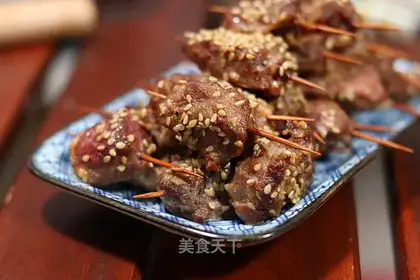
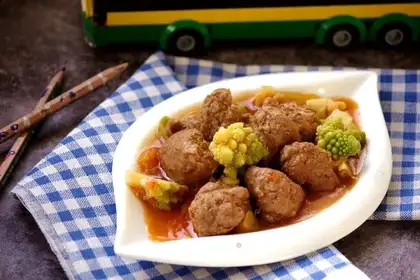
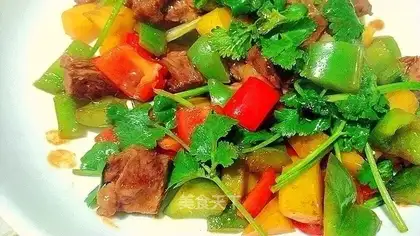
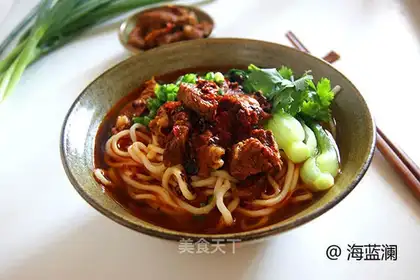
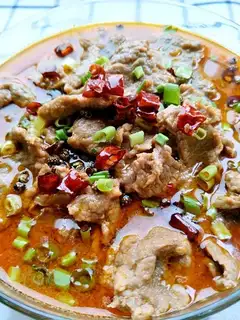
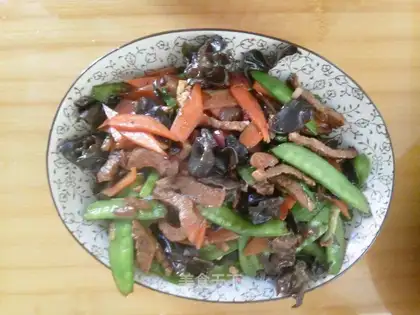
Beef chuck roll’s versatility makes it a beloved cut in cuisines worldwide. Its marbling makes it ideal for grilling (e.g., Korean galbi), braising (e.g., beef bourguignon), stir-frying (e.g., Chinese niurou pian), or slow-cooking (e.g., pulled beef sandwiches). The fat renders during cooking, ensuring a juicy, tender result that pairs well with bold spices, marinades, and sauces.
In conclusion, beef chuck roll is a nutrient-dense cut that offers a wealth of health benefits, from muscle support to immune function. By choosing high-quality, sustainably sourced beef, cooking it wisely, and consuming it in moderation, individuals can enjoy its rich flavor and nutritional value while minimizing potential risks. Whether as a centerpiece of a Sunday roast or a quick weeknight stir-fry, beef chuck roll exemplifies the perfect balance of taste and nourishment, making it a valuable addition to a balanced diet.