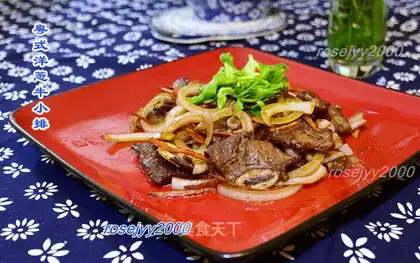
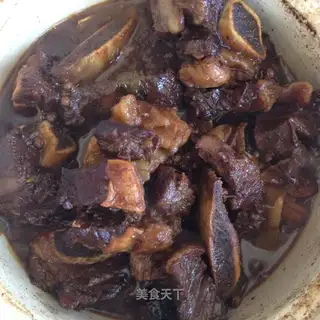
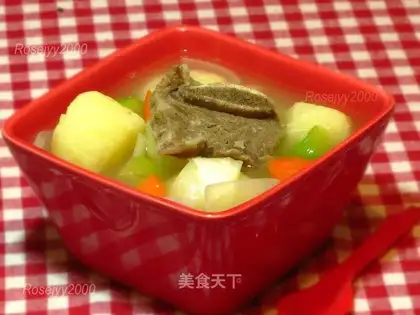
Beef short ribs, a prized cut from the beef primal plate, are renowned for their rich marbling, tender meat, and ability to deliver deep, complex flavors when cooked slowly. Whether braised, grilled, or smoked, this cut has long been a staple in cuisines worldwide, from Korean galbi to American BBQ. Beyond its culinary appeal, beef short ribs pack a impressive nutritional profile, offering a range of health benefits when consumed as part of a balanced diet. However, like all rich foods, they come with important considerations for safe and mindful consumption. This article explores the nutritional value, health benefits, and potential risks associated with beef short ribs, providing a comprehensive guide for enthusiasts and health-conscious individuals alike.
Nutritional Value of Beef Short Ribs
Beef short ribs are a nutrient-dense meat, providing a rich source of high-quality protein, essential vitamins, and minerals. A 100-gram (3.5-ounce) serving of cooked boneless beef short ribs (trimmed of visible fat) contains approximately:
- Protein: 22–25 grams, providing all nine essential amino acids necessary for muscle growth, tissue repair, and immune function. Protein is also vital for producing enzymes, hormones, and antibodies, making it a key component of a healthy diet.
- Fat: 15–20 grams, depending on the cut’s marbling. While this includes saturated fat, it also contains monounsaturated fats (e.g., oleic acid, the same heart-healthy fat found in olive oil) and small amounts of polyunsaturated fats, including omega-3 and omega-6 fatty acids. The marbling in short ribs contributes to their tenderness and flavor, but moderation is key to managing fat intake.
- Vitamins:
- Vitamin B12: Essential for nerve function, DNA synthesis, and red blood cell production. A 100-gram serving provides over 100% of the daily recommended intake, making short ribs an excellent source for individuals at risk of B12 deficiency (e.g., vegetarians or older adults).
- Niacin (Vitamin B3): Supports metabolism, energy production, and skin health. Short ribs offer about 25% of the daily value per serving.
- Vitamin B6: Crucial for brain development, mood regulation, and immune function.
- Zinc: Important for immune function, wound healing, and DNA synthesis. A 100-gram serving provides 30–40% of the daily recommended intake.
- Iron: Heme iron, the type found in beef, is highly bioavailable and easily absorbed by the body, making it an effective source for preventing iron deficiency anemia. A serving provides 15–20% of the daily iron needs.
- Selenium: A powerful antioxidant that supports thyroid function and protects cells from damage.
The combination of these nutrients makes beef short ribs a valuable addition to diets lacking in protein or micronutrients, though their high calorie and fat content necessitates portion control.
Health Benefits of Consuming Beef Short Ribs
When enjoyed in moderation, beef short ribs can contribute to several aspects of health, thanks to their unique nutrient profile.
1. Supports Muscle Mass and Physical Strength
The high-quality protein in beef short ribs provides the amino acids needed to build and maintain muscle mass, making it particularly beneficial for athletes, older adults (who are at risk of sarcopenia), or individuals recovering from illness. Leucine, an essential amino acid abundant in beef, stimulates muscle protein synthesis, helping to preserve strength and mobility as we age.
2. Boosts Energy and Metabolic Health
B vitamins (B12, B6, and niacin) play a central role in converting food into energy. They help break down carbohydrates, fats, and proteins, ensuring the body efficiently uses nutrients for fuel. Additionally, the iron in short ribs supports oxygen transport in the blood, preventing fatigue and improving exercise performance.
3. Enhances Immune Function
Zinc and selenium are critical for a healthy immune system. Zinc aids in the development of immune cells, while selenium acts as an antioxidant, reducing inflammation and protecting against oxidative stress. A strong immune system is better equipped to fight infections and illnesses, making short ribs a useful dietary component during cold and flu season or for individuals with weakened immunity.
4. Promotes Brain Health
Vitamin B12 is vital for maintaining healthy nerve cells and producing myelin, the protective sheath around nerves. Deficiency in B12 can lead to cognitive decline, memory loss, and numbness, particularly in older adults. Regular consumption of B12-rich foods like beef short ribs may help support brain function and reduce the risk of neurodegenerative diseases.
5. Supports Red Blood Cell Production
The heme iron in beef short ribs is more easily absorbed than non-heme iron (found in plant foods), making it an ideal choice for individuals with iron deficiency anemia. Iron is a key component of hemoglobin, the protein in red blood cells that carries oxygen from the lungs to the rest of the body. Adequate iron intake prevents anemia, symptoms of which include fatigue, weakness, and shortness of breath.
Potential Risks and Consumption Precautions
While beef short ribs offer numerous health benefits, their high content of saturated fat, calories, and purines means they should be consumed mindfully to avoid adverse effects.
1. Saturated Fat and Heart Health
A 100-gram serving of beef short ribs contains 6–8 grams of saturated fat, which is about 30–40% of the American Heart Association’s recommended daily limit (13 grams for a 2,000-calorie diet). Diets high in saturated fat can raise LDL (“bad”) cholesterol levels, increasing the risk of heart disease, stroke, and atherosclerosis.
Precaution: Limit portion sizes (e.g., 3–4 ounces per serving) and trim visible fat before cooking. Balance short ribs with leaner proteins (e.g., chicken breast, fish) and plenty of vegetables to reduce overall saturated fat intake.
2. High Calorie Content
Beef short ribs are calorie-dense, with a 100-gram serving providing 250–300 calories. Overconsumption can lead to weight gain, which is a risk factor for chronic conditions like diabetes, hypertension, and joint pain.
Precaution: Enjoy short ribs as an occasional indulgence rather than a daily staple. Pair them with low-calorie sides (e.g., steamed vegetables, salads) to create a balanced meal.
3. Purines and Gout Risk
Purines are natural compounds found in animal foods that break down into uric acid in the body. High uric acid levels can trigger gout, a painful form of arthritis characterized by joint inflammation. Beef short ribs are moderately high in purines, making them a concern for individuals with gout or a history of kidney stones.
Precaution: Those with gout should limit short ribs to small, infrequent portions (e.g., once a month) and stay well-hydrated to help flush uric acid from the body.
4. Sodium Content in Prepared Dishes
Many recipes for beef short ribs (e.g., braised or BBQ-style) call for added salt, soy sauce, or marinades, which can significantly increase the sodium content. Excessive sodium intake is linked to high blood pressure and an increased risk of heart disease.
Precaution: Use herbs, spices, and low-sodium broths to flavor short ribs instead of salt. Rinse the meat before cooking to reduce surface sodium if using pre-marinated cuts.
5. Food Safety Considerations
Undercooked beef short ribs can harbor harmful bacteria like E. coli or Salmonella. Additionally, charring the meat at high temperatures (e.g., grilling) may produce carcinogenic compounds like heterocyclic amines (HCAs) and polycyclic aromatic hydrocarbons (PAHs).
Precaution: Cook short ribs to an internal temperature of 145°F (63°C) for whole cuts or 160°F (71°C) for ground beef, as recommended by the USDA. Avoid charring by cooking at lower temperatures and marinating the meat (which can reduce HCA formation by up to 90%).
Conclusion
Beef short ribs are a flavorful and nutrient-rich cut that can be part of a healthy diet when consumed in moderation. Their high protein content, B vitamins, iron, and zinc offer benefits for muscle growth, energy, immunity, and brain health. However, their saturated fat, calorie, and purine levels require careful attention, particularly for individuals with heart disease, gout, or weight management goals. By practicing portion control, choosing leaner preparation methods, and balancing short ribs with nutrient-dense sides, food lovers can enjoy their rich taste while minimizing health risks. Ultimately, beef short ribs exemplify the principle that “everything in moderation” is key to a balanced and enjoyable diet.