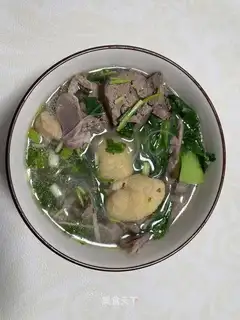
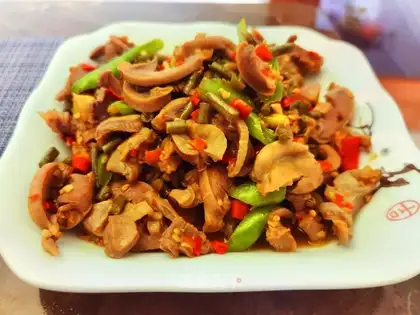
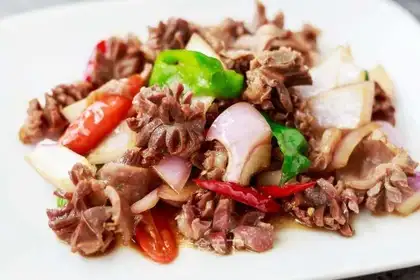
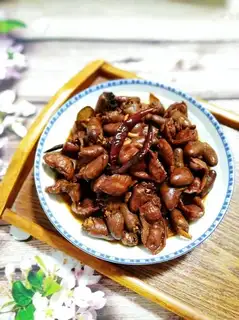
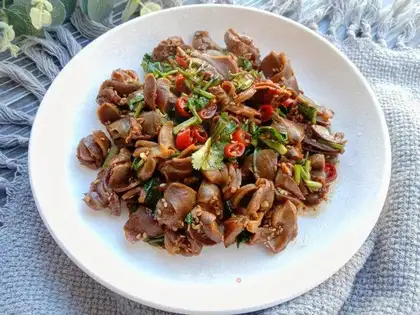
Chicken gizzards, often overlooked in mainstream Western cuisine but celebrated in many global culinary traditions, are a nutrient-dense organ meat that offers a unique combination of flavor, texture, and health benefits. As part of the chicken’s digestive system, the gizzard is a muscular organ that grinds food with the help of small stones, making it rich in protein, vitamins, and minerals. This article explores the nutritional profile of chicken gizzards, their health benefits, potential risks, and key considerations for safe and enjoyable consumption.
Nutritional Value of Chicken Gizzards
Chicken gizzards are a nutritional powerhouse, packed with essential nutrients that support overall health. A 100-gram serving of cooked chicken gizzards (approximately 5–6 pieces) contains approximately 130–140 calories, 30 grams of protein, and just 3 grams of fat, making it an excellent choice for high-protein, low-fat diets.
1. High-Quality Protein
Protein is vital for muscle repair, immune function, and enzyme production. Chicken gizzards provide all nine essential amino acids, making them a complete protein source. For comparison, 100 grams of gizzards contain roughly 30% more protein than the same amount of chicken breast (which has about 31 grams of protein per 100 grams) but with fewer calories. This makes gizzards a valuable option for athletes, bodybuilders, and individuals looking to increase protein intake without excess fat.
2. Rich in Vitamins
Gizzards are particularly high in B vitamins, which play a critical role in energy metabolism, brain function, and red blood cell formation. Notably:
- Vitamin B12: Essential for nerve function and DNA synthesis, a 100-gram serving of gizzards provides over 100% of the daily recommended intake (DRI). This is especially important for vegetarians or vegans who may struggle to obtain B12 from plant sources.
- Riboflavin (B2): Supports energy production and skin health.
- Niacin (B3): Aids in digestion and nervous system health.
- Pantothenic Acid (B5): Important for hormone synthesis and stress response.
Additionally, gizzards contain small amounts of vitamin A, which supports vision and immune function, and vitamin E, an antioxidant that protects cells from damage.
3. Abundant Minerals
Gizzards are a concentrated source of minerals that are often lacking in modern diets:
- Iron: A 100-gram serving provides approximately 3.6 mg of iron, or 20% of the DRI for women. Iron is crucial for oxygen transport in the blood and preventing anemia. The heme iron in gizzards is more easily absorbed than the non-heme iron found in plants.
- Zinc: Supports immune function, wound healing, and DNA synthesis. Gizzards contain around 2.4 mg of zinc per 100 grams, meeting 22% of the DRI.
- Phosphorus: Works with calcium to build strong bones and teeth. A serving of gizzards provides about 200 mg of phosphorus (20% of DRI).
- Selenium: A powerful antioxidant that protects against oxidative stress and supports thyroid function. Gizzards are one of the best dietary sources of selenium, with 100 grams providing over 50% of the DRI.
4. Low in Fat and Cholesterol
While organ meats are often feared for their cholesterol content, gizzards are relatively low in fat (just 3 grams per 100 grams) and contain moderate cholesterol (about 220 mg per 100 grams). Recent research suggests that dietary cholesterol has a minimal impact on blood cholesterol levels for most people, as the body regulates its own cholesterol production. However, individuals with diabetes or heart disease should consume gizzards in moderation as part of a balanced diet.
Health Benefits of Chicken Gizzards
The unique nutritional profile of chicken gizzards translates to several health benefits, making them a valuable addition to a varied diet.
1. Supports Muscle Growth and Repair
The high protein content in gizzards makes them ideal for muscle maintenance and growth. This is particularly beneficial for older adults, who are at risk of sarcopenia (age-related muscle loss), and athletes, who require adequate protein to recover from exercise.
2. Boosts Energy Levels
B vitamins, especially B12 and riboflavin, are essential for converting food into energy. A deficiency in these vitamins can lead to fatigue, weakness, and cognitive impairment. Regular consumption of gizzards can help maintain optimal energy levels and support metabolic function.
3. Enhances Immune Function
Zinc and selenium are critical for a healthy immune system. Zinc helps produce immune cells, while selenium supports antioxidant defenses that protect against infections. Gizzards also contain vitamin A, which strengthens the skin and mucous membranes—our first line of defense against pathogens.
4. Promotes Healthy Blood
Iron and vitamin B12 are essential for red blood cell formation. Iron deficiency can lead to anemia, characterized by fatigue, pale skin, and shortness of breath. Gizzards’ heme iron is highly bioavailable, making them an excellent food for preventing and treating iron deficiency, especially in women and children.
5. Supports Brain Health
Vitamin B12 plays a key role in maintaining the myelin sheath that protects nerve fibers. A deficiency in B12 can cause neurological problems, such as memory loss, numbness, and depression. Gizzards are a rich source of B12, making them beneficial for brain function and cognitive health.
Culinary Uses and Preparation Tips
Chicken gizzards are a versatile ingredient used in cuisines worldwide. In Southern United States, they are often breaded and fried as a snack or appetizer. In Latin America, they are commonly used in stews (sopas) and tacos. In Asia, gizzards are stir-fried with garlic and ginger or added to hot pot dishes. To maximize their nutritional benefits and flavor, proper preparation is key:
- Cleaning: Gizzards should be thoroughly cleaned under cold water to remove any debris. The inner lining (yellowish membrane) can be removed for a tender texture.
- Cooking Methods: Gizzards can be boiled, grilled, sautéed, or stewed. Boiling before cooking other methods (e.g., frying or grilling) ensures they are tender.
- Marinades: Marinating gizzards in acidic liquids (e.g., vinegar, lemon juice) or spices (e.g., garlic, paprika) enhances flavor and tenderizes the meat.
- Pairings: Gizzards pair well with vegetables like onions, bell peppers, and tomatoes, as well as grains like rice and quinoa.
Potential Risks and Precautions
While chicken gizzards offer numerous health benefits, there are important considerations to keep in mind:
1. Purine Content
Gizzards are high in purines, natural compounds that break down into uric acid. Individuals with gout or high uric acid levels should limit their intake, as excess purines can trigger gout attacks. The Arthritis Foundation recommends limiting organ meat consumption to 1–2 servings per week for those with gout.
2. Sodium Content
When processed or canned, gizzards may be high in sodium due to added salt. For individuals with hypertension or kidney disease, choosing fresh gizzards and limiting added salt is essential.
3. Food Safety
As with all poultry products, gizzards must be handled and cooked properly to avoid foodborne illness. They should be stored at 40°F (4°C) or below and cooked to an internal temperature of 165°F (74°C) to kill harmful bacteria like Salmonella and Campylobacter.
4. Moderation for Certain Populations
Pregnant women, young children, and individuals with kidney disease should consume gizzards in moderation. Organ meats can contain higher levels of certain nutrients (e.g., vitamin A) that may be harmful in excess. Pregnant women, for example, should avoid consuming very high amounts of vitamin A due to the risk of birth defects.
Conclusion
Chicken gizzards are a nutrient-dense, affordable, and versatile ingredient that offers a wide range of health benefits. From supporting muscle growth and immune function to providing essential vitamins and minerals, they are a valuable addition to a balanced diet. However, like all foods, they should be consumed in moderation, especially by individuals with specific health conditions such as gout or hypertension. By understanding their nutritional profile, health benefits, and potential risks, individuals can enjoy chicken gizzards as part of a healthy and diverse diet. Whether fried, stewed, or grilled, this humble organ meat has earned its place as a culinary and nutritional treasure in kitchens around the world.