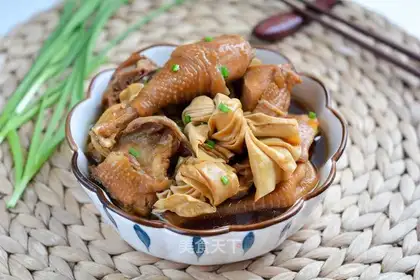
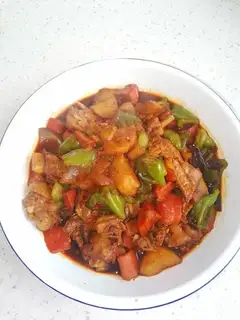
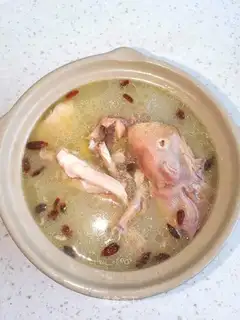
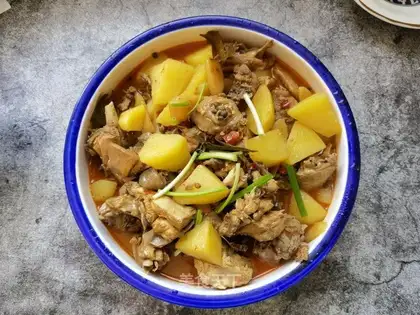
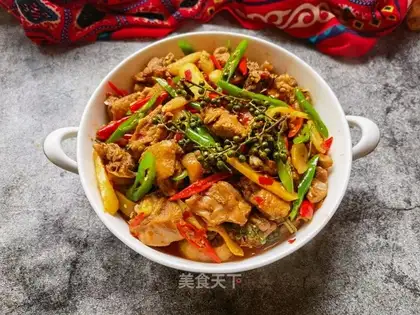
Chicken has long been a staple in diets worldwide, prized for its versatility, mild flavor, and nutritional profile. Among the various types, free-range chickens—often referred to as "chai ji" (柴鸡) in Chinese, emphasizing their natural, foraging lifestyle—stand out for their superior nutritional value and distinct health benefits. Unlike conventionally raised chickens confined to cramped spaces, free-range chickens roam freely, consuming a diverse diet of insects, grass, and seeds, which enriches their meat and eggs with higher levels of essential nutrients. This article explores the nutritional composition of free-range chicken, its proven health benefits, and important precautions to consider when incorporating it into a balanced diet.
I. Nutritional Value of Free-Range Chicken
The nutritional superiority of free-range chicken stems from its natural living conditions and diet. Studies consistently show that free-range meat and eggs contain higher concentrations of key nutrients compared to their conventionally raised counterparts.
1. High-Quality Protein
Protein is essential for building and repairing tissues, producing enzymes and hormones, and supporting immune function. Free-range chicken is an excellent source of complete protein, providing all nine essential amino acids that the human body cannot synthesize on its own. A 100-gram serving of free-range chicken breast contains approximately 31 grams of protein, with lower fat content than dark meat or processed poultry. This makes it an ideal choice for athletes, individuals recovering from illness, and those seeking to maintain muscle mass.
2. Beneficial Fats
Free-range chickens have a more favorable fatty acid profile due to their active lifestyle and varied diet. Their meat contains higher levels of omega-3 fatty acids, particularly alpha-linolenic acid (ALA), which is linked to reduced inflammation, improved heart health, and enhanced brain function. Additionally, free-range chicken has a lower ratio of omega-6 to omega-3 fatty acids—a critical balance, as excessive omega-6 intake (common in processed foods) is associated with chronic inflammation.
3. Vitamins and Minerals
Free-range chicken is a rich source of essential vitamins and minerals:
- B Vitamins: Chicken meat is abundant in B vitamins, including niacin (B3), vitamin B6, and riboflavin (B2). These vitamins play vital roles in energy metabolism, nervous system function, and red blood cell production. Notably, niacin helps maintain healthy skin and digestion, while vitamin B6 supports immune response.
- Vitamin D: Unlike conventionally raised chickens, which often lack sunlight exposure, free-range chickens naturally synthesize vitamin D in their skin when exposed to sunlight. As a result, their meat and eggs contain significantly higher levels of this vitamin, which is crucial for calcium absorption, bone health, and immune regulation.
- Minerals: Free-range chicken is packed with minerals such as iron, zinc, phosphorus, and selenium. Iron is essential for preventing anemia, as it aids in oxygen transport in the blood. Zinc supports immune function and wound healing, while phosphorus is vital for bone and teeth formation. Selenium, a powerful antioxidant, helps protect cells from damage and supports thyroid health.
4. Reduced Antibiotic and Hormone Residues
One of the most significant advantages of free-range chicken is the absence of routine antibiotics and growth hormones, which are commonly used in conventional poultry farming to accelerate growth and prevent disease in crowded conditions. Free-range farming practices prioritize natural living environments, reducing the need for such additives. This makes free-range chicken a safer and cleaner option for health-conscious consumers.
II. Health Benefits of Free-Range Chicken
The unique nutritional composition of free-range chicken translates into a range of health benefits, from supporting muscle growth to reducing the risk of chronic diseases.
1. Promotes Muscle Growth and Repair
The high-quality protein in free-range chicken provides the necessary amino acids for muscle protein synthesis, making it an excellent food for athletes, older adults (to combat sarcopenia), and individuals recovering from surgery or injury. Its low fat content, especially in breast meat, supports lean muscle maintenance without excessive calorie intake.
2. Supports Weight Management
Free-range chicken is a low-calorie, high-protein food that promotes satiety, helping to reduce overall calorie intake. Protein takes longer to digest than carbohydrates or fats, keeping you full for longer and curbing cravings. Studies show that high-protein diets can boost metabolism and increase fat burning, making free-range chicken a valuable component of weight loss or maintenance plans.
3. Enhances Immune Function
The combination of zinc, selenium, and B vitamins in free-range chicken strengthens the immune system. Zinc is critical for the development and function of immune cells, while selenium acts as an antioxidant to reduce oxidative stress, which can weaken immunity. Additionally, vitamin B6 supports the production of antibodies and cytokines, which play key roles in fighting infections.
4. Improves Heart Health
The omega-3 fatty acids in free-range chicken help lower triglyceride levels, reduce blood pressure, and decrease the risk of atherosclerosis (hardening of the arteries). Its low saturated fat content further supports cardiovascular health by reducing LDL ("bad") cholesterol levels. Regular consumption of free-range chicken, as part of a balanced diet, may lower the risk of heart disease and stroke.
5. Strengthens Bones and Teeth
Free-range chicken is a good source of phosphorus and vitamin D, both of which are essential for bone health. Vitamin D enhances calcium absorption in the gut, while phosphorus works with calcium to form hydroxyapatite, the mineral complex that gives bones and teeth their strength. Adequate intake of these nutrients can help prevent osteoporosis and maintain bone density, especially in older adults.
6. Boosts Brain Health
The omega-3 fatty acids and B vitamins in free-range chicken support cognitive function and brain health. Omega-3s, particularly ALA, are precursors to docosahexaenoic acid (DHA), a key component of brain cell membranes. DHA is essential for memory, learning, and mood regulation. Vitamin B12, though less abundant in chicken than in red meat, is still present in smaller amounts and helps protect nerve cells, reducing the risk of cognitive decline.
III. Precautions and Considerations
While free-range chicken offers numerous health benefits, certain precautions must be taken to ensure safe and optimal consumption.
1. Proper Cooking to Avoid Foodborne Illnesses
Like all poultry, free-range chicken can harbor harmful bacteria such as Salmonella and Campylobacter. To minimize the risk of foodborne illness:
- Cook thoroughly: Chicken should be cooked to an internal temperature of 74°C (165°F), as measured by a food thermometer.
- Avoid cross-contamination: Use separate cutting boards, utensils, and plates for raw chicken and ready-to-eat foods. Wash hands, surfaces, and utensils with hot, soapy water after handling raw chicken.
- Refrigerate promptly: Store raw chicken in the refrigerator at or below 4°C (40°F) and cook it within 1–2 days of purchase.
2. Moderation for Certain Populations
While free-range chicken is a healthy protein source, moderation is advised for individuals with specific health conditions:
- Gout: Chicken, particularly organ meats like liver, is moderate in purines, which can trigger gout attacks in susceptible individuals. Those with gout should limit intake and prioritize low-purine cuts like breast meat.
- Kidney Disease: Individuals with advanced kidney disease may need to restrict protein intake. Consult a healthcare provider or dietitian to determine appropriate portion sizes.
3. Balanced Diet Integration
Free-range chicken should be part of a balanced diet that includes a variety of fruits, vegetables, whole grains, and healthy fats. Over-reliance on any single food group can lead to nutrient imbalances. For example, pairing chicken with vitamin C-rich foods (like bell peppers or broccoli) enhances iron absorption, while combining it with leafy greens boosts calcium and magnesium intake.
4. Choose Reversible Sources
To maximize health benefits and support sustainable farming, opt for free-range chicken from reputable sources that prioritize animal welfare and organic practices. Look for labels such as "organic," "pasture-raised," or "Animal Welfare Approved," which ensure the chickens were raised in humane conditions without routine antibiotics or hormones.
Conclusion
Free-range chicken, or "chai ji," is a nutritional powerhouse that offers superior protein, healthy fats, vitamins, and minerals compared to conventionally raised poultry. Its health benefits—from supporting muscle growth and weight management to enhancing immune function and heart health—make it an excellent choice for individuals seeking to improve their diet. However, proper cooking, moderation for certain populations, and sourcing from reputable farms are essential to maximize its benefits while minimizing risks. By incorporating free-range chicken into a balanced, varied diet, individuals can enjoy its delicious flavor while nourishing their bodies with nature’s finest nutrients.