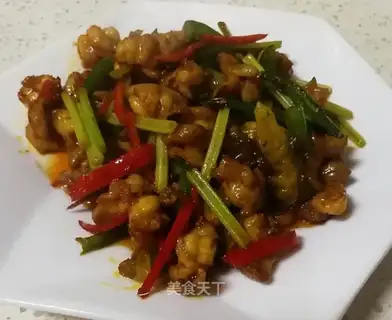
Chicken cartilage, often considered a byproduct of poultry processing, has gained attention in recent years as a nutrient-dense food with unique health benefits. Commonly used in cuisines worldwide for its crunchy texture and versatility, this connective tissue is more than just a culinary delight—it is a rich source of bioactive compounds that support joint health, inflammation reduction, and overall wellness. However, like any food, it must be consumed mindfully to avoid potential risks. This article explores the nutritional profile of chicken cartilage, its evidence-based health benefits, and important precautions for safe consumption.
Nutritional Value of Chicken Cartilage
Chicken cartilage is primarily composed of water (60–70%), with the remaining 30–40% consisting of proteins, carbohydrates, and minerals. Its nutritional value lies in its unique matrix of macromolecules, which play critical roles in human physiology.
1. Proteins: Collagen and Chondroitin
The most notable components of chicken cartilage are collagen and chondroitin sulfate. Collagen, the most abundant protein in the body, accounts for 50–60% of cartilage’s dry weight. It is a structural protein that provides strength and elasticity to connective tissues, including joints, skin, and tendons. Chicken cartilage contains primarily type II collagen, which is the main collagen type found in human cartilage. This makes it a dietary source of collagen that closely matches the body’s own, potentially enhancing absorption and utilization.
Chondroitin sulfate, a glycosaminoglycan (GAG), is another key protein-carbohydrate complex. It acts as a "shock absorber" in joints by retaining water and maintaining cartilage elasticity. Additionally, chondroitin inhibits enzymes that break down cartilage, such as matrix metalloproteinases (MMPs), thereby protecting joint integrity.
2. Minerals
Chicken cartilage is a good source of essential minerals, including calcium, phosphorus, and magnesium. Calcium and phosphorus are vital for bone health, as they form hydroxyapatite, the mineral complex that gives bones their rigidity. Magnesium, meanwhile, supports muscle function, nerve signaling, and energy production. A 100-gram serving of dried chicken cartilage may provide up to 15% of the daily recommended intake of calcium and 20% of phosphorus.
3. Other Bioactive Compounds
Cartilage also contains small amounts of glucosamine, another GAG that supports cartilage synthesis and reduces joint inflammation. It is rich in elastin, a protein that provides flexibility to tissues, and hyaluronic acid, a substance that lubricates joints and promotes skin hydration. These compounds work synergistically to support connective tissue health.
Health Benefits of Chicken Cartilage
The nutritional composition of chicken cartilage translates into several evidence-based health benefits, particularly for joint health, inflammation management, and gut wellness.
1. Supports Joint Health and Reduces Osteoarthritis Symptoms
Osteoarthritis (OA), a degenerative joint disease characterized by cartilage breakdown, affects millions of people worldwide. Studies suggest that the collagen and chondroitin in chicken cartilage may alleviate OA symptoms by:
- Stimulating Cartilage Repair: Type II collagen and chondroitin sulfate provide the building blocks for cartilage synthesis. A 2016 study in the Journal of Agricultural and Food Chemistry found that collagen peptides from chicken cartilage increased collagen production in chondrocytes (cartilage cells) and reduced cartilage degradation.
- Reducing Pain and Stiffness: Chondroitin sulfate has been shown to inhibit pro-inflammatory cytokines (e.g., IL-1β and TNF-α) that drive OA progression. A meta-analysis in Osteoarthritis and Cartilage (2020) concluded that chondroitin supplementation significantly reduced pain and improved physical function in OA patients, with effects comparable to non-steroidal anti-inflammatory drugs (NSAIDs) but fewer side effects.
2. Anti-Inflammatory Properties
Chronic inflammation is linked to numerous health conditions, including arthritis, heart disease, and diabetes. Chicken cartilage contains anti-inflammatory compounds that modulate the immune response:
- Collagen Peptides: These peptides inhibit the activation of NF-κB, a signaling pathway that promotes inflammation. A 2019 study in Food & Function found that collagen from chicken cartilage reduced inflammation in mice with colitis, suggesting potential benefits for inflammatory bowel diseases (IBD).
- Glycosaminoglycans: Chondroitin and hyaluronic acid block the adhesion of inflammatory cells to joint tissues, reducing swelling and tissue damage.
3. Promotes Gut Health
The gut lining is composed of collagen-rich connective tissue, and deficiencies in collagen can lead to increased intestinal permeability ("leaky gut"), a condition associated with autoimmune diseases and food sensitivities. Chicken cartilage may support gut health by:
- Strengthening the Intestinal Barrier: Collagen provides amino acids (e.g., glycine, proline, and hydroxyproline) that are essential for repairing the gut lining. A 2021 study in Nutrients reported that collagen supplementation reduced gut permeability and improved symptoms in patients with IBD.
- Supporting Gut Microbiota: The amino acids in cartilage may act as prebiotics, promoting the growth of beneficial gut bacteria (e.g., Bifidobacterium), which enhance digestion and immune function.
4. Enhances Skin and Hair Health
Collagen is a key component of skin, providing structure and elasticity. As we age, collagen production declines, leading to wrinkles and sagging skin. Chicken cartilage may counteract this by:
- Boosting Skin Hydration: Hyaluronic acid, present in cartilage, retains moisture in the skin, reducing dryness and improving elasticity. A 2017 study in Journal of Cosmetic Dermatology found that women who consumed collagen supplements (including from chicken cartilage) showed significant improvements in skin hydration and elasticity after 8 weeks.
- Strengthening Hair and Nails: The protein and mineral content of cartilage supports hair follicle health and nail growth, reducing brittleness and breakage.
Precautions and Potential Risks
While chicken cartilage offers numerous health benefits, certain precautions must be taken to ensure safe consumption, particularly for individuals with specific health conditions.
1. High Cholesterol and Sodium Content
Chicken cartilage, especially when processed (e.g., in fried snacks or cured products), can be high in cholesterol and sodium. A 100-gram serving of fried chicken cartilage may contain up to 200 mg of cholesterol (67% of the daily recommended limit) and 800 mg of sodium (35% of the daily limit). Excessive cholesterol and sodium intake increase the risk of heart disease and hypertension. To mitigate this, opt for boiled, baked, or air-fried cartilage and limit portion sizes.
2. Allergies and Sensitivities
Chicken cartilage is a potential allergen for individuals with poultry allergies. Symptoms may include hives, swelling, digestive upset, or anaphylaxis in severe cases. Those with known chicken allergies should avoid cartilage altogether. Additionally, collagen supplements derived from cartilage may contain trace amounts of poultry proteins, posing a risk for sensitive individuals.
3. Purine Content and Gout Risk
Chicken cartilage is relatively high in purines, natural compounds that break down into uric acid. In excess, uric acid can crystallize in joints, causing gout—a painful form of arthritis. Individuals with gout or high uric acid levels should limit cartilage intake to no more than 50–100 grams per week and stay well-hydrated to flush out uric acid.
4. Contamination Concerns
As with any animal product, chicken cartilage carries a risk of bacterial contamination (e.g., Salmonella or Campylobacter) if not handled or cooked properly. Always purchase cartilage from reputable sources, refrigerate it immediately, and cook it thoroughly (internal temperature of 75°C/165°F) to kill pathogens.
5. Medication Interactions
Chondroitin sulfate may interact with blood-thinning medications (e.g., warfarin, aspirin) by enhancing their effects, increasing the risk of bleeding. Individuals taking such medications should consult a healthcare provider before consuming cartilage regularly.
Conclusion
Chicken cartilage is a nutrient-rich food that offers significant health benefits, particularly for joint health, inflammation reduction, and gut wellness. Its high collagen and chondroitin content make it a natural alternative to synthetic supplements, while its mineral profile supports bone and overall health. However, mindful consumption is key: limit processed forms, watch cholesterol and sodium intake, and avoid it if you have allergies, gout, or are on blood-thinning medications. When incorporated into a balanced diet, chicken cartilage can be a valuable addition to a healthy lifestyle, combining culinary enjoyment with therapeutic potential. As research on cartilage-derived compounds continues to grow, its role in functional foods and nutraceuticals is likely to expand further, offering new ways to harness its benefits for human health.