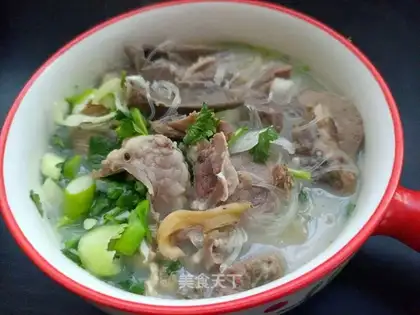
In the realm of offal or organ meats, lamb heart often stands in the shadow of more popular cuts like liver or kidneys. Yet, this nutrient-dense organ has been a staple in traditional cuisines across the Middle East, Europe, and Asia for centuries, prized not only for its unique flavor but also for its remarkable nutritional profile. As modern nutrition science sheds light on the benefits of nose-to-tail eating, lamb heart is gaining recognition as a "superfood" for its high protein content, rich vitamin and mineral composition, and potential health-promoting properties. However, like all organ meats, it comes with specific considerations and precautions. This article delves into the nutritional value of lamb heart, its evidence-based health benefits, and important guidelines for safe consumption.
Nutritional Profile: A Concentrated Source of Essential Nutrients
Lamb heart is a nutritional powerhouse, packing a dense array of vitamins, minerals, protein, and bioactive compounds in a relatively low-calorie package. A 100-gram serving of cooked lamb heart (approximately one medium-sized heart) provides approximately 130-150 calories, 25-27 grams of protein, and 3-5 grams of fat, making it a lean, high-protein option comparable to skinless chicken breast or sirloin steak. What sets it apart, however, is its exceptional concentration of micronutrients that are often lacking in muscle meats.
Vitamins: Beyond the Basics
Lamb heart is particularly rich in B vitamins, which play critical roles in energy metabolism, brain function, and red blood cell production. Vitamin B12 (cobalamin) is abundant in lamb heart, with a 100-gram serving providing over 100% of the Daily Value (DV). This essential vitamin is vital for nerve health, DNA synthesis, and the formation of red blood cells; deficiency can lead to anemia, fatigue, and neurological damage.
Riboflavin (B2) and niacin (B3) are also present in significant amounts. Riboflavin helps break down fats, proteins, and carbohydrates, while niacin supports digestion, skin health, and proper nervous system function. A single serving of lamb heart can cover 20-30% of the DV for both nutrients.
Notably, lamb heart is one of the few dietary sources of coenzyme Q10 (CoQ10), a compound that acts as an antioxidant and plays a key role in cellular energy production, particularly in high-energy organs like the heart and liver. CoQ levels decline with age, and adequate intake may support cardiovascular health and reduce oxidative stress.
Minerals: Essential for Bodily Functions
The mineral content of lamb heart is equally impressive. Iron is standout, with a 100-gram serving providing 3-4 milligrams, or 15-20% of the DV. Unlike the iron in plant-based foods (non-heme iron), the iron in lamb heart is heme iron, which is more easily absorbed by the body. This makes it particularly beneficial for individuals at risk of iron deficiency anemia, such as pregnant women, adolescents, and athletes.
Zinc is another key mineral, with lamb heart delivering 2-3 milligrams per serving (15-20% of the DV). Zinc is essential for immune function, wound healing, and DNA synthesis. It also plays a role in maintaining healthy skin, hair, and nails.
Selenium, a powerful antioxidant mineral, is abundant in lamb heart, providing 20-30 micrograms per serving (30-40% of the DV). Selenium helps protect cells from oxidative damage, supports thyroid function, and may reduce the risk of chronic diseases like heart disease and cancer.
Additionally, lamb heart contains smaller amounts of phosphorus (important for bone health and energy production), copper (supports iron metabolism and nerve function), and potassium (regulates blood pressure and fluid balance).
Protein: A Complete Amino Acid Profile
As a high-quality protein source, lamb heart contains all nine essential amino acids that the body cannot produce on its own. These amino acids are the building blocks of muscles, tissues, enzymes, and hormones, making lamb heart an excellent choice for supporting muscle growth, repair, and overall body maintenance. Its protein density also makes it satiating, which may aid in weight management by reducing hunger and cravings.
Health Benefits: Why Lamb Heart Deserves a Place in Your Diet
The unique nutritional composition of lamb heart translates into a range of health benefits, from supporting heart health to boosting immunity. Below are some of the most well-documented advantages of including lamb heart in a balanced diet.
1. Supports Cardiovascular Health
Contrary to the misconception that consuming heart may harm heart health, lamb heart is actually beneficial for the cardiovascular system—when consumed in moderation. Its high CoQ10 content is a key factor: CoQ10 is a potent antioxidant that protects LDL ("bad") cholesterol from oxidation, a process that contributes to plaque buildup in arteries. Additionally, CoQ10 helps improve the efficiency of energy production in heart muscle cells, potentially enhancing heart function and reducing the risk of heart disease.
The iron and zinc in lamb heart also support cardiovascular health. Iron ensures adequate oxygen transport via red blood cells, while zinc helps maintain healthy blood vessels and regulate blood pressure. Moreover, lamb heart’s low saturated fat content (compared to fatty cuts of lamb) makes it a heart-lean protein option.
2. Boosts Energy and Metabolism
B vitamins are central to energy production, and lamb heart is a rich source of several key B vitamins. Vitamin B12 helps convert food into glucose, the body’s primary energy source, while riboflavin and niacin aid in metabolizing fats, proteins, and carbohydrates. For individuals with busy lifestyles, athletes, or those experiencing fatigue, incorporating lamb heart into meals may help combat tiredness and improve energy levels.
CoQ10 further enhances energy production by facilitating the transfer of electrons in the mitochondria (the "powerhouses" of cells), where ATP (adenosine triphosphate)—the body’s energy currency—is synthesized. As we age, natural CoQ10 levels decline, making dietary intake from sources like lamb heart increasingly important.
3. Enhances Immune Function
Lamb heart’s zinc and selenium content makes it a valuable ally for immune health. Zinc is critical for the development and function of immune cells, including T-cells and natural killer (NK) cells, which help the body fight off infections. It also supports the integrity of the skin and mucous membranes, acting as a physical barrier against pathogens.
Selenium, on the other hand, enhances immune function by reducing inflammation and supporting the production of cytokines (proteins that regulate immune responses). Studies have linked selenium deficiency to impaired immune function and increased susceptibility to infections, making lamb heart a practical way to boost selenium intake.
4. Promotes Muscle Growth and Repair
The high-quality protein and amino acids in lamb heart make it an ideal food for muscle maintenance and growth. Protein is essential for repairing muscle tissue after exercise and for synthesizing new muscle proteins, making lamb heart a great option for athletes, older adults (to combat age-related muscle loss), or anyone looking to increase their protein intake.
Additionally, the iron in lamb heart supports muscle function by ensuring oxygen delivery to muscle tissues, which is crucial for endurance and performance.
5. Supports Brain Health and Cognitive Function
Vitamin B12 is particularly important for brain health, as it helps maintain the myelin sheath that protects nerve fibers and supports neurotransmitter production. Deficiency in B12 has been linked to cognitive decline, memory loss, and even Alzheimer’s disease. By providing a rich source of B12, lamb heart may help protect against age-related cognitive decline and support overall brain function.
CoQ10 also plays a role in brain health, as the brain has high energy demands and is susceptible to oxidative stress. CoQ10’s antioxidant properties help protect brain cells from damage, potentially reducing the risk of neurodegenerative diseases.
食用禁忌 (Precautions and Considerations for Safe Consumption)
While lamb heart offers numerous health benefits, it is important to consume it responsibly. Like all organ meats, lamb heart has specific considerations that should be kept in mind to avoid potential health risks.
1. Moderation is Key: Cholesterol and Purine Content
Lamb heart is relatively high in cholesterol, with a 100-gram serving providing approximately 300-350 milligrams—about 100% of the DV. For most healthy individuals, dietary cholesterol has a minimal impact on blood cholesterol levels, as the body regulates its own cholesterol production. However, for people with existing high cholesterol, heart disease, or diabetes, it is advisable to limit organ meat intake to 1-2 servings per week and consult a healthcare provider or registered dietitian.
Lamb heart is also moderately high in purines, natural compounds that break down into uric acid in the body. High purine intake can trigger gout flares in individuals with gout or hyperuricemia (elevated uric acid levels). Such individuals should avoid or strictly limit lamb heart consumption and opt for lower-purine protein sources like fish, poultry, or legumes.
2. Source and Quality: Choose Grass-Fed and Organic When Possible
The nutritional quality and safety of lamb heart depend heavily on the animal’s diet and living conditions. Grass-fed lamb tends to be higher in omega-3 fatty acids, vitamin E, and antioxidants compared to grain-fed lamb, as grazing on grass naturally enhances these nutrients. Additionally, grass-fed lamb is less likely to contain antibiotics or hormones that may be present in conventionally raised animals.
When purchasing lamb heart, choose a reputable butcher or supplier that adheres to strict hygiene and quality standards. The heart should be fresh, with a deep red color, firm texture, and no off-odors. Avoid hearts that appear pale, slimy, or have a strong smell, as these may be spoiled.
3. Proper Preparation: Cleaning and Cooking Methods
Before cooking, lamb heart must be properly cleaned to remove any blood clots or connective tissue. Rinse the heart under cold water, then trim away excess fat and the thick outer membrane (if present). Some recipes recommend soaking the heart in cold water with a splash of vinegar or lemon juice for 30 minutes to further remove impurities and tenderize the meat.
Cooking lamb heart thoroughly is essential to kill harmful bacteria such as E. coli or Salmonella. Lamb heart can be cooked using various methods: grilling, braising, stewing, or sautéing. Braising or stewing (e.g., in a curry, stew, or broth) is recommended for tenderizing the meat, as heart can be tough if overcooked. Avoid undercooking, as it may increase the risk of foodborne illness.
4. Individual Health Conditions: Who Should Avoid Lamb Heart?
While lamb heart is safe for most people, certain individuals should avoid or limit consumption:
- Pregnant and breastfeeding women: Organ meats are high in vitamin A, and excessive intake (particularly preformed vitamin A, retinol) may increase the risk of birth defects. However, moderate consumption (1-2 servings per week) is generally safe and beneficial for iron and B12 needs.
- People with gout or hyperuricemia: As mentioned earlier, lamb heart’s purine content can trigger gout flares.
- Individuals with kidney disease: Lamb heart is high in protein and minerals like potassium and phosphorus, which may be harmful to those with impaired kidney function who need to restrict these nutrients.
- Those on certain medications: For example, blood thinners (warfarin) interact with vitamin K, which is present in lamb heart. Consistent intake is key to avoid interactions, so individuals on such medications should consult their doctor before adding organ meats to their diet.
Conclusion: Embracing Lamb Heart as a Nutrient-Rich Superfood
Lamb heart is a nutritional gem that offers a unique combination of high-quality protein, essential vitamins (especially B12 and CoQ10), and minerals (iron, zinc, selenium) that support overall health. From boosting energy and immunity to promoting heart and brain health, its benefits are backed by both traditional use and modern science. However, like all foods, moderation and mindful consumption are key—particularly for those with specific health conditions.
By sourcing high-quality lamb heart, preparing it properly, and incorporating it into a balanced diet, you can harness its nutritional potential while minimizing risks. Whether added to a hearty stew, grilled with spices, or sliced into salads, lamb heart is a versatile and delicious way to embrace the "nose-to-tail" eating philosophy and nourish your body with nature’s finest offerings. As the saying goes, "the heart of the matter" is that lamb heart is not just an offal—it’s a powerhouse of nutrition waiting to be rediscovered.