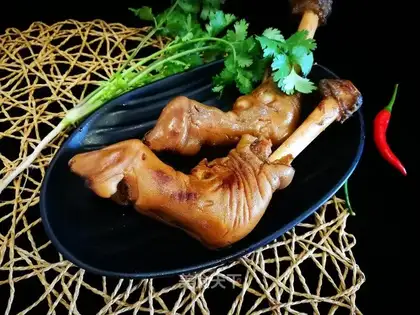
Sheep trotters, often referred to as "sheep's feet" in culinary contexts, are a delicacy in many cultures, prized for their unique texture, rich flavor, and purported health benefits. While they may not be as mainstream as cuts of meat like lamb chops or beef brisket, sheep trotters have been a staple in traditional medicine and cuisine for centuries. From Chinese herbal broths to European stews, these gelatinous morsels are celebrated for their versatility and nutritional value. This article explores the nutritional composition of sheep trotters, their health benefits, and important precautions to consider when consuming them.
Nutritional Composition of Sheep Trotters
Sheep trotters are a nutrient-dense food, offering a unique blend of macronutrients, vitamins, and minerals. Their nutritional profile is primarily defined by their high collagen content, which sets them apart from other meat cuts.
1. High in Collagen and Gelatin
The most notable feature of sheep trotters is their exceptional collagen content. Collagen is a structural protein that makes up connective tissues, skin, bones, and cartilage in animals. When cooked slowly, collagen breaks down into gelatin, a substance that imparts a rich, silky texture to broths and stews. A 100-gram serving of cooked sheep trotters contains approximately 25–30 grams of protein, much of which is collagen.
Gelatin derived from collagen is rich in amino acids, particularly glycine, proline, and hydroxyproline. These amino acids are essential for maintaining skin elasticity, joint health, and gut integrity. Unlike animal proteins like whey or casein, collagen is low in methionine (an essential amino acid) but high in glycine, which makes it a valuable complement to modern diets often high in methionine from meat and dairy.
2. Rich in Essential Minerals
Sheep trotters are an excellent source of several key minerals, including:
- Calcium: Though not as high as dairy products, sheep trotters provide calcium in a bioavailable form, thanks to their gelatin content, which aids in mineral absorption. A 100-gram serving contains roughly 20–30 mg of calcium.
- Phosphorus: This mineral works synergistically with calcium to support bone and teeth health. Sheep trotters provide around 150–200 mg of phosphorus per 100 grams.
- Iron: Essential for oxygen transport and red blood cell production, sheep trotters contain heme iron, which is more easily absorbed by the body than non-heme iron from plant sources. A 100-gram serving offers approximately 2–3 mg of iron, meeting 15–20% of the daily recommended intake for adults.
- Zinc: Critical for immune function, wound healing, and DNA synthesis, sheep trotters provide about 2–3 mg of zinc per 100 grams, contributing to 20–30% of the daily requirement.
- Selenium: A powerful antioxidant that supports thyroid function and protects cells from damage, selenium is present in moderate amounts (10–15 µg per 100 grams) in sheep trotters.
3. Low in Fat and Calories
Compared to fatty cuts of meat, sheep trotters are relatively low in fat and calories. A 100-gram serving of cooked sheep trotters contains only 150–200 calories and 3–5 grams of fat, most of which is unsaturated. This makes them a suitable option for individuals seeking to maintain a healthy weight or reduce fat intake.
4. Vitamins and Other Bioactive Compounds
While not a primary source of vitamins, sheep trotters contain small amounts of B vitamins, including niacin (B3) and riboflavin (B2), which play roles in energy metabolism and skin health. Additionally, the gelatin in sheep trotters has been linked to improved gut health by supporting the integrity of the intestinal lining.
Health Benefits of Sheep Trotters
The unique nutritional composition of sheep trotters translates to a range of health benefits, particularly for skin, joints, and overall wellness.
1. Promotes Skin Health and Anti-Aging
Collagen is a major component of the skin, responsible for its firmness, elasticity, and hydration. As we age, collagen production declines, leading to wrinkles, sagging, and dry skin. The gelatin derived from sheep trotters provides the body with the amino acids needed to synthesize new collagen, potentially improving skin texture and reducing signs of aging.
Studies have shown that consuming collagen supplements (similar to the gelatin from cooked trotters) can increase skin elasticity, hydration, and density. A 2019 review in the Journal of Drugs in Dermatology found that oral collagen supplementation reduced wrinkles and improved skin moisture in participants over 8–12 weeks. While direct studies on sheep trotters are limited, their high collagen content suggests similar benefits.
2. Supports Joint Health and Reduces Inflammation
Collagen is a key component of cartilage, the flexible tissue that cushions joints and prevents bone-on-bone friction. As cartilage breaks down over time (due to aging or conditions like osteoarthritis), joint pain and stiffness can occur. The amino acids in sheep trotter gelatin may help stimulate cartilage repair and reduce inflammation.
A 2017 study in the Journal of the Science of Food and Agriculture found that collagen peptides from animal sources reduced joint pain and improved mobility in athletes with joint discomfort. While more research is needed, traditional medicine has long used sheep trotter broths to alleviate arthritis and joint-related issues, particularly in cultures like China and the Middle East.
3. Enhances Digestive Health
Gelatin from sheep trotters supports gut health by strengthening the intestinal lining. The amino acid glycine, abundant in gelatin, has been shown to reduce inflammation in the gut and improve the balance of gut bacteria. This may benefit individuals with conditions like leaky gut syndrome (increased intestinal permeability) or inflammatory bowel disease (IBD).
Additionally, gelatin aids in digestion by stimulating the production of stomach acid and promoting the breakdown of proteins. This makes sheep trotter broths a popular remedy for digestive discomfort, especially in traditional post-illness diets.
4. Boosts Immune Function
The minerals in sheep trotters, particularly zinc and selenium, are critical for immune health. Zinc supports the development and function of immune cells, while selenium acts as an antioxidant, protecting immune cells from oxidative damage. A 100-gram serving of sheep trotters can provide a significant portion of the daily recommended intake for these minerals, helping to strengthen the body's defenses against infections.
5. Supports Bone Density
While calcium is often the first mineral associated with bone health, phosphorus and collagen are equally important. Phosphorus works with calcium to form hydroxyapatite, the mineral complex that gives bones their strength. Collagen, meanwhile, provides the flexible framework that prevents bones from becoming brittle.
The combination of calcium, phosphorus, and collagen in sheep trotters makes them a valuable food for maintaining bone density, particularly in older adults at risk of osteoporosis. Traditional bone broths, often made with sheep trotters, have been used for centuries to support skeletal health.
Precautions and Potential Side Effects
While sheep trotters offer numerous health benefits, there are important precautions to consider, particularly for certain populations.
1. High Cholesterol Content
Sheep trotters contain dietary cholesterol, though recent research suggests that dietary cholesterol has less impact on blood cholesterol levels than previously thought. For most healthy individuals, moderate consumption of sheep trotters is unlikely to raise cholesterol levels. However, individuals with hypercholesterolemia (high cholesterol) or cardiovascular disease should consult a healthcare provider before including sheep trotters in their diet regularly.
2. Purine Content and Gout Risk
Sheep trotters are relatively high in purines, natural compounds that break down into uric acid in the body. High uric acid levels can lead to gout, a painful form of arthritis characterized by joint inflammation. Individuals with a history of gout or kidney problems (which impair uric acid excretion) should limit their intake of purine-rich foods like sheep trotters. The Arthritis Foundation recommends that people with gout avoid organ meats and certain cuts of meat, including trotters, to prevent flare-ups.
3. Sodium Content in Prepared Broths
Sheep trotter broths, especially those consumed in restaurants or pre-made, can be high in sodium due to added salt or seasonings. Excessive sodium intake is linked to high blood pressure and an increased risk of cardiovascular disease. To minimize sodium, prepare broths at home using minimal salt and fresh ingredients.
4. Allergies and Sensitivities
While rare, some individuals may be allergic to collagen or gelatin. Symptoms of a collagen allergy can include hives, digestive upset, or difficulty breathing. Those with known allergies should avoid sheep trotters or consult an allergist before consumption.
5. Cooking and Food Safety
Sheep trotters must be cooked thoroughly to kill harmful bacteria like Salmonella or E. coli. Slow cooking methods, such as braising or stewing, are ideal for breaking down collagen while ensuring safety. Additionally, individuals with compromised immune systems, such as pregnant women, young children, or the elderly, should ensure sheep trotters are sourced from reputable suppliers and cooked properly.
Conclusion
Sheep trotters are a nutritional powerhouse, offering a unique combination of collagen, essential minerals, and amino acids that support skin, joint, digestive, and immune health. Their low fat and calorie content make them a valuable addition to a balanced diet, particularly for those seeking natural ways to combat aging or improve joint function. However, individuals with gout, high cholesterol, or sodium sensitivity should consume them in moderation or avoid them altogether.
When prepared safely and mindfully, sheep trotters can be a delicious and nutritious ingredient that bridges the gap between culinary tradition and modern wellness. Whether simmered into a hearty broth, braised with herbs, or pickled as a delicacy, sheep trotters offer a taste of both culture and health—one gelatinous bite at a time.