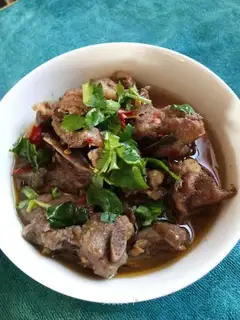
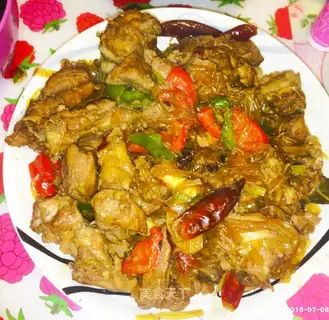
Lamb, the meat from young sheep (typically under one year old), has been a staple in cuisines across the globe for millennia, from the Mediterranean to the Middle East, and from Europe to Australia. Prized for its tender texture, rich flavor, and versatility in cooking, lamb is more than just a delicious culinary ingredient—it is a nutrient-dense food that offers a range of health benefits. However, like all meats, it must be consumed mindfully to avoid potential risks. This article explores the nutritional value of lamb, its health benefits, and important considerations for safe and healthy consumption.
I. Nutritional Value of Lamb
Lamb is a nutritional powerhouse, packed with high-quality protein, essential vitamins, and minerals that are vital for overall health. Its nutritional profile varies slightly depending on the cut (e.g., leaner cuts like the loin versus fattier cuts like the shoulder) and the animal’s diet (grass-fed vs. grain-fed), but it consistently offers a concentrated source of key nutrients.
1. High-Quality Protein
Protein is essential for building and repairing tissues, producing enzymes and hormones, and supporting immune function. Lamb is an excellent source of complete protein, meaning it contains all nine essential amino acids that the body cannot produce on its own. A 100-gram (3.5-ounce) serving of cooked lamb provides approximately 25–30 grams of protein, making it an ideal choice for athletes, growing children, and individuals recovering from illness.
2. Rich in Vitamins
Lamb is particularly notable for its vitamin content, especially B vitamins, which play a critical role in energy metabolism, brain function, and red blood cell production.
- Vitamin B12 (Cobalamin): Lamb is one of the best dietary sources of vitamin B12, a nutrient essential for nerve function, DNA synthesis, and the formation of red blood cells. A 100-gram serving can provide over 100% of the daily recommended intake (DRI), making it crucial for individuals at risk of B12 deficiency, such as vegetarians and older adults.
- Niacin (Vitamin B3): Niacin supports digestive system, skin health, and nervous system function. Lamb provides about 30–40% of the DRI per 100 grams.
- Vitamin B6: This vitamin is involved in protein metabolism and cognitive development. Lamb contributes roughly 20–30% of the DRI per serving.
- Riboflavin (Vitamin B2): Important for energy production and eye health, lamb supplies about 15–20% of the DRI per 100 grams.
- Vitamin D: Grass-fed lamb, in particular, is a good source of vitamin D, which is vital for bone health and immune function. Outdoor grazing allows sheep to synthesize vitamin D in their wool, which is then transferred to the meat.
3. Abundant in Minerals
Lamb is a rich source of several essential minerals, many of which are lacking in modern diets.
- Iron: Lamb is a "heme iron" source, meaning the iron is more easily absorbed by the body than non-heme iron from plant foods. A 100-gram serving provides about 15–20% of the DRI, making it beneficial for preventing iron deficiency anemia, especially in women and children.
- Zinc: Essential for immune function, wound healing, and DNA synthesis, lamb is a top source of zinc, providing 30–40% of the DRI per serving. Zinc deficiency can weaken immunity and slow growth, making lamb a valuable addition to a balanced diet.
- Selenium: This antioxidant mineral protects cells from damage and supports thyroid function. Lamb provides 20–30% of the DRI per 100 grams, with grass-fed lamb often containing higher levels due to the mineral content of the soil.
- Phosphorus: Important for bone health and energy production, lamb supplies about 25% of the DRI per serving.
- Magnesium: Though present in smaller amounts, magnesium in lamb supports muscle and nerve function, as well as blood sugar regulation.
4. Healthy Fats
While lamb is often perceived as "fatty," its fat content depends on the cut and preparation. Lean cuts (e.g., lamb loin, leg) contain about 10–15 grams of fat per 100 grams, with roughly half being monounsaturated fat—the same type found in heart-healthy olive oil. Grass-fed lamb tends to have higher levels of omega-3 fatty acids and conjugated linoleic acid (CLA), a fat linked to potential benefits like reduced inflammation and improved body composition.
II. Health Benefits of Lamb
The unique combination of nutrients in lamb translates to several health benefits when consumed as part of a balanced diet.
1. Supports Muscle Growth and Repair
Thanks to its high-quality protein and amino acid profile, lamb is an excellent food for muscle maintenance and growth. This makes it particularly beneficial for athletes, older adults (to combat age-related muscle loss, or sarcopenia), and individuals recovering from surgery or injury. The amino acid leucine, abundant in lamb, plays a key role in triggering muscle protein synthesis.
2. Boosts Immune Function
Lamb’s rich content of zinc, selenium, and vitamin B12 strengthens the immune system. Zinc helps produce and activate immune cells, while selenium acts as an antioxidant to reduce oxidative stress. Vitamin B12, meanwhile, supports the production of white blood cells, which are critical for fighting infections. Regular consumption of lamb may help reduce the risk of illnesses like colds and flu.
3. Prevents Anemia
Iron deficiency anemia is a common global health issue, characterized by fatigue, weakness, and shortness of breath. Lamb’s heme iron is highly bioavailable, meaning the body absorbs it more efficiently than iron from plant sources. Pairing lamb with vitamin C-rich foods (e.g., vegetables, citrus fruits) further enhances iron absorption, making it an effective dietary strategy for maintaining healthy iron levels.
4. Promotes Brain Health
The B vitamins in lamb—especially B12, B6, and niacin—are essential for brain function. Vitamin B12 helps maintain the myelin sheath that protects nerve fibers, while B6 supports neurotransmitter production. Adequate intake of these vitamins has been linked to improved cognitive function, memory, and a reduced risk of neurodegenerative diseases like Alzheimer’s.
5. Enhances Energy Production
Lamb’s B vitamins play a central role in converting food into energy. Niacin and riboflavin help break down carbohydrates, fats, and proteins into usable energy, while vitamin B12 aids in the formation of red blood cells, which carry oxygen to tissues. This makes lamb a great choice for individuals with active lifestyles or those experiencing fatigue.
6. Supports Bone Health
Lamb provides phosphorus and calcium (in smaller amounts), both of which are critical for bone density and strength. Additionally, the protein in lamb helps maintain bone structure, as collagen—a protein in bones—relies on amino acids from dietary protein. For older adults, consuming lamb regularly may help reduce the risk of osteoporosis.
III. Precautions and Considerations for Consumption
While lamb offers numerous health benefits, there are important precautions to keep in mind to ensure safe and healthy consumption.
1. Choose Lean Cuts and Limit Fat Intake
Lamb can be high in saturated fat, especially in fattier cuts like the shoulder or ribs. Excessive saturated fat intake is linked to an increased risk of heart disease and high cholesterol. To minimize this, opt for lean cuts such as the loin, leg, or shank, and trim visible fat before cooking. Grilling, roasting, or broiling (rather than frying) can further reduce fat content.
2. Practice Moderation
Like all red meats, lamb should be consumed in moderation as part of a balanced diet. The World Health Organization (WHO) recommends limiting processed meat consumption (e.g., lamb sausages, cured lamb) and keeping red meat intake to no more than 500 grams (cooked weight) per week. Overconsumption has been associated with an increased risk of colorectal cancer, though the risk is linked more to processed meats than fresh lamb.
3. Ensure Proper Cooking
Undercooked lamb can harbor harmful bacteria such as E. coli, Salmonella, and Campylobacter, which may cause food poisoning. To kill these pathogens, lamb should be cooked to an internal temperature of 63°C (145°F) for whole cuts or 71°C (160°F) for ground lamb. Using a food thermometer is the most reliable way to ensure doneness. Avoid cross-contamination by keeping raw lamb separate from other foods and washing hands, utensils, and surfaces thoroughly after handling raw meat.
4. Consider Individual Health Conditions
Individuals with certain health conditions should exercise caution when consuming lamb:
- Heart Disease: Those with high cholesterol or heart disease should choose lean cuts and limit intake to avoid excessive saturated fat.
- Gout: Lamb is moderately high in purines, which can trigger gout attacks in susceptible individuals. Moderation is key.
- Kidney Disease: Lamb’s high protein and mineral content may be problematic for individuals with advanced kidney disease; a healthcare provider’s advice should be sought.
5. Balance with Plant-Based Foods
To maximize the benefits of lamb while minimizing potential risks, pair it with a variety of plant-based foods, such as vegetables, whole grains, and legumes. This combination provides fiber, antioxidants, and additional nutrients that support overall health. For example, a meal of grilled lamb with a large salad and quinoa offers a balanced mix of protein, healthy fats, and fiber.
IV. Conclusion
Lamb is a nutrient-dense meat that offers a wealth of health benefits, from supporting muscle growth and immune function to boosting energy and brain health. Its high-quality protein, abundant vitamins (especially B12), and essential minerals like iron and zinc make it a valuable addition to a balanced diet. However, to enjoy lamb safely, it is important to choose lean cuts, cook it properly, and consume it in moderation. By doing so, individuals can savor the rich flavor and nutritional advantages of lamb while minimizing potential risks. Whether in a traditional stew, a grilled chop, or a roasted leg, lamb remains a timeless and nourishing choice for those seeking both taste and wellness.