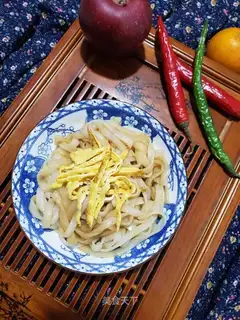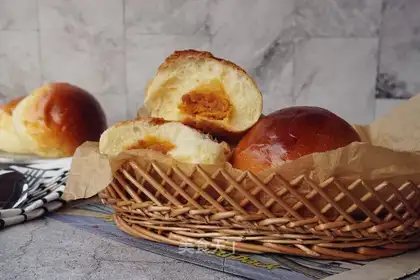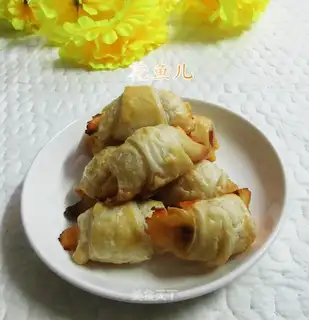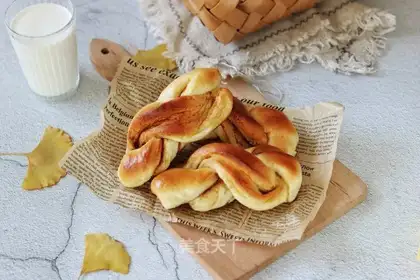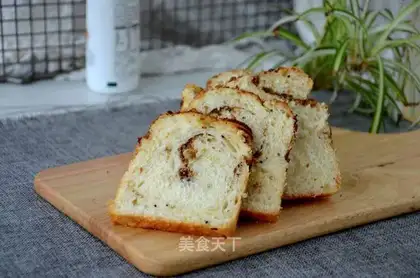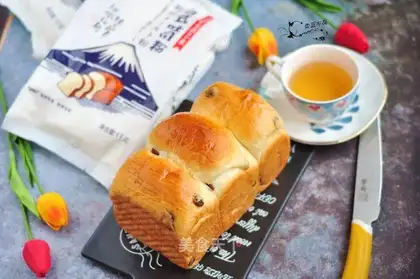
For some reason, I love toast. I've always failed to bake toast, but I can't stop my passion until I'm successful! So, for toasting, there are some common mistakes among newcomers, which make success difficult. For example, the most common thing is that there's no membrane. It's very simple. It's the right amount of water to keep the base sticky. On a mixer bar, the upper half of the face of the face is hit on the wall of the tank and the face is formed into a tatter, which accelerates the distillation of the film. If there is a constant absence of membrane, which indicates that the amount of time or strength of the platter is insufficient, this time may be about 10-20 minutes. In addition, the important issue that can complement membranes, which is the high powder used, can be felt more by trying out a few different ones, which one feels easy to make. The higher the protein content, the more watery the flour is. This gold-mounted Japanese toast, which is more water-eating, rubbing out a soft, non-sticked face, works well. This formula is made because light cream makes bread taste better, and the grapes sew better, and I personally find it delicious。
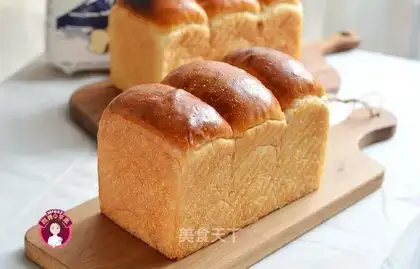
The weather is cold, the toast is out of air conditioning or ice bags, the temperature of the room is cold, the surface of the face is so much better. A new brand of toast has recently been discovered, and for bakers, flour, ovens, molds, which are essential to bake, like women who see beautiful clothes and men who see new digital products, tend to pile up their houses, rather than try them once. The flour is made of flour with a protein content of more than 13 per cent, a proper mix of pasta, a fermentation, a correct shape, and a difficult taste for toast. But toast is also the most difficult, sometimes in a beautiful shape, but after cutting off the tissue, it's not as delicate as it looks. It is affected by a number of factors that, if they are not properly studied and are produced in large quantities every day, they are only occasionally done at home, which require constant stock-taking and searching. I've got a nice toast today, a pretty glove membrane, a good taste and taste. The internal organization is slightly rough and lacks silk-colored glitter. Let me sum up against the old silk-skinned toast process, mainly due to excessive plasticization. Both rolls were too thin, which led to too long laxity after the first roll and a slow pace at the second fermentation. And at the second fermentation I set the temperature at 38 degrees, which makes the external temperature high, but not enough power rises internally。