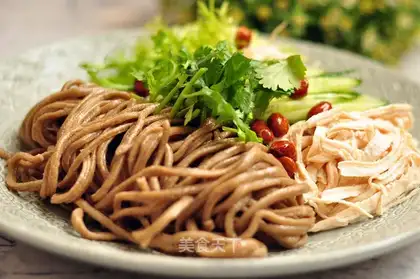
Chicken breast, often hailed as the "gold standard" of lean protein, is a staple in diets worldwide—from athlete meal plans to weight management regimes. Its versatility, mild flavor, and impressive nutritional profile have made it a cornerstone of healthy eating. But beyond its reputation as a "low-fat protein," what exactly makes chicken breast so special? This article delves into the nutritional composition of chicken breast, its evidence-based health benefits, and important considerations for consumption to help you make informed choices about this popular ingredient.
Nutritional Value: Why Chicken Breast Stands Out
Chicken breast is primarily valued for its exceptional protein content, but its nutritional value extends far beyond macronutrients. A 100-gram serving of skinless, cooked chicken breast (approximately half a breast) provides roughly 165 calories, 31 grams of protein, and just 3.6 grams of fat, with less than 1 gram being saturated fat. This makes it one of the leanest animal protein sources available, rivaling even fish like cod or tilapia in protein density while being lower in fat than fatty fish such as salmon.
Protein: The Building Block of Health
Protein is essential for nearly every bodily function, and chicken breast is a complete protein, meaning it contains all nine essential amino acids (histidine, isoleucine, leucine, lysine, methionine, phenylalanine, threonine, tryptophan, and valine) that the body cannot produce on its own. These amino acids are critical for:
- Muscle repair and growth: Leucine, in particular, stimulates muscle protein synthesis, making chicken breast a favorite among athletes and fitness enthusiasts.
- Enzyme and hormone production: Amino acids serve as precursors for enzymes (e.g., digestive enzymes) and hormones (e.g., insulin, growth hormone).
- Immune function: Antibodies, which fight infections, are proteins, and adequate intake supports immune cell production.
Vitamins and Minerals: Micronutrient-Rich
While chicken breast is low in carbohydrates (less than 1 gram per 100 grams) and fiber, it packs a punch of essential micronutrients:
- B vitamins: Chicken breast is rich in niacin (vitamin B3), vitamin B6, and riboflavin (B2). Niacin aids energy metabolism and supports skin health, while B6 is crucial for brain function and red blood cell formation. A 100-gram serving provides over 50% of the daily recommended intake (DRI) for vitamin B6.
- Minerals: It is an excellent source of phosphorus (important for bone health and energy production), selenium (a powerful antioxidant that supports thyroid function and immune health), and zinc (vital for wound healing and immune cell activity). Selenium content in chicken breast is particularly notable, with a 100-gram serving providing around 22 micrograms, nearly 40% of the DRI for adults.
- Choline: Though less discussed, choline is essential for brain development, nerve function, and metabolism. Chicken breast provides about 60-70 milligrams per 100 grams, contributing to the daily adequate intake (AI) of 425-550 milligrams for adults.
Fat Profile: Lean and Heart-Healthy
The minimal fat in chicken breast is primarily unsaturated fat (monounsaturated and polyunsaturated), with negligible trans fats. The small amount of saturated fat (around 1 gram per 100 grams) is far lower than in fatty cuts of meat like beef brisket or pork belly. For context, the American Heart Association recommends limiting saturated fat to less than 5-6% of daily calories (about 13-15 grams for a 2,000-calorie diet), making chicken breast a heart-lean choice.
Health Benefits: More Than Just Muscle Fuel
The nutritional profile of chicken breast translates to a range of health benefits, supported by scientific research. These benefits span physical performance, weight management, chronic disease prevention, and overall well-being.
1. Supports Muscle Mass and Physical Performance
For athletes, older adults, and anyone looking to maintain or build muscle, chicken breast is a dietary cornerstone. The high-quality protein and leucine content stimulate muscle protein synthesis (MPS), the process by which the body repairs and rebuilds muscle tissue after exercise. Studies show that consuming 20-30 grams of protein (about 100 grams of chicken breast) post-workout maximizes MPS, aiding recovery and muscle growth.
In older adults, sarcopenia (age-related muscle loss) is a significant concern, contributing to frailty and reduced mobility. Research published in the Journal of the American Geriatrics Society found that adequate protein intake from sources like chicken breast, combined with resistance training, helps slow sarcopenia and preserve muscle strength and function in older adults.
2. Aids in Weight Management and Satiety
Weight management often comes down to balancing calorie intake with expenditure, and protein is a key player in this equation. Chicken breast is low in calories but high in protein, which increases satiety—the feeling of fullness—reducing overall calorie intake. Protein takes longer to digest than carbohydrates or fats, keeping you fuller for longer and curbing cravings.
A study in the American Journal of Clinical Nutrition compared the effects of high-protein, low-fat diets (rich in chicken breast) to standard high-carbohydrate diets on weight loss. The high-protein group lost more fat mass while preserving lean muscle mass, highlighting the role of lean protein like chicken breast in sustainable weight loss. Additionally, the thermic effect of protein (the energy required to digest food) is higher than for carbs or fats, meaning your body burns more calories breaking down protein from chicken breast.
3. Promotes Heart Health
Heart disease is a leading global cause of death, and dietary choices play a critical role in prevention. Chicken breast’s lean profile and nutrient composition make it a heart-healthy choice:
- Low in saturated fat: As mentioned earlier, replacing high-saturated-fat meats (e.g., processed sausages, fatty beef) with chicken breast can help lower LDL ("bad") cholesterol levels, a risk factor for atherosclerosis.
- Rich in B vitamins: Niacin and B6 help regulate homocysteine levels, an amino acid linked to heart disease when elevated.
- Selenium content: This antioxidant reduces oxidative stress and inflammation, both of which contribute to heart disease.
A meta-analysis in the British Journal of Nutrition found that substituting red meat with poultry (including chicken breast) was associated with a 12% lower risk of coronary heart disease, underscoring the cardiovascular benefits of choosing lean poultry.
4. Supports Bone Health
While dairy and leafy greens are often highlighted for bone health, chicken breast contributes through its mineral content. Phosphorus, abundant in chicken breast, works alongside calcium to form hydroxyapatite, the mineral complex that gives bones their strength. About 85% of the body’s phosphorus is stored in bones, and adequate intake is essential for maintaining bone density and preventing conditions like osteoporosis.
Additionally, chicken breast provides small amounts of vitamin D (if the chicken was pasture-raised or fortified) and calcium, though these are not its primary bone-supporting nutrients. For optimal bone health, pairing chicken breast with calcium-rich foods (e.g., yogurt, spinach) and vitamin D sources (e.g., sunlight, fatty fish) is recommended.
5. Boosts Immune Function
A strong immune system relies on adequate protein and micronutrients, and chicken delivers on both. The selenium in chicken breast supports the production of cytokines, proteins that regulate immune responses, while zinc is critical for the development and function of immune cells like T-cells and natural killer cells.
Moreover, chicken soup—often made with chicken breast—has been a traditional remedy for colds and flu for centuries. Modern research suggests that the amino acid cysteine, released from chicken during cooking, helps thin mucus and reduce inflammation, while vegetables and herbs in the soup provide additional antioxidants and vitamins that support immune health.
Precautions and Considerations: Maximizing Benefits While Minimizing Risks
While chicken breast is a nutritious food, certain factors can affect its healthfulness. Understanding these considerations ensures you reap the benefits without unintended drawbacks.
1. Cooking Methods Matter: Avoiding Harmful Compounds
The way you cook chicken breast significantly impacts its nutritional value and safety. High-temperature cooking methods like grilling, frying, or charring can create harmful compounds:
- Heterocyclic amines (HCAs): Form when meat is cooked at high temperatures (above 150°C/300°F), especially over direct flame. HCAs are linked to DNA damage and increased cancer risk.
- Advanced glycation end products (AGEs): Produced when protein or fat is exposed to high heat, AGEs contribute to oxidative stress and inflammation, exacerbating chronic diseases like diabetes and heart disease.
Healthier cooking methods: Baking, poaching, steaming, or stir-frying with minimal oil are better choices. For grilling, marinate chicken in acidic liquids (e.g., lemon juice, vinegar) or herbs (e.g., rosemary, thyme) before cooking—studies show marinades can reduce HCA formation by up to 90%. Always cook chicken to an internal temperature of 74°C (165°F) to kill harmful bacteria like Salmonella and Campylobacter.
2. Antibiotic and Hormone Concerns
In many countries, conventional chicken farming may involve the use of antibiotics to prevent disease in crowded conditions, and hormones are banned in poultry production in places like the European Union and Canada but not in the United States. Residues of antibiotics in meat can contribute to antibiotic resistance, a global health threat.
Safer choices: Opt for organic, free-range, or antibiotic-free chicken when possible. Organic chickens are raised without antibiotics or synthetic hormones, and free-range chickens have access to outdoor space, which may improve their nutrient profile (e.g., higher omega-3 fatty acids). Look for certifications like "USDA Organic" or "Animal Welfare Approved" to ensure quality.
3. Sodium and Additives in Processed Chicken Products
While plain chicken breast is low in sodium, processed chicken products (e.g., deli meat, chicken nuggets, canned chicken) often contain high levels of salt, preservatives, and additives to enhance flavor and shelf life. Excess sodium intake is linked to high blood pressure and increased heart disease risk.
Tip: Choose fresh, unprocessed chicken breast over pre-packaged or processed versions. If using canned chicken, rinse it under water to reduce sodium content by up to 40%. For flavor, season chicken with herbs, spices, citrus, or olive oil instead of salt-heavy marinades.
4. Individual Sensitivities and Allergies
While rare, chicken allergies do exist, typically triggered by proteins in the meat or cross-reactivity with other poultry. Symptoms can range from mild (hives, itching) to severe (anaphylaxis). Additionally, some people may experience digestive discomfort (e.g., bloating, indigestion) after eating chicken, often due to high fat intake (if consuming skin) or underlying conditions like irritable bowel syndrome (IBS).
For those with sensitivities: If you suspect a chicken allergy, consult an allergist for testing. For digestive issues, try cooking chicken breast thoroughly (to break down proteins) and pairing it with fiber-rich vegetables to aid digestion.
5. Balance and Variety in the Diet
While chicken breast is nutritious, relying too heavily on any single food can lead to nutrient imbalances. A balanced diet should include a variety of protein sources (e.g., fish, beans, lentils, tofu), whole grains, fruits, and vegetables to ensure a broad spectrum of nutrients. For example, pairing chicken breast with plant-based proteins (e.g., chickpeas) can provide additional fiber and phytonutrients, while fatty fish like salmon offers omega-3 fatty acids, which are scarce in chicken breast.
Conclusion: Chicken Breast as a Cornerstone of a Healthy Diet
Chicken breast’s exceptional nutritional profile—high-quality protein, essential vitamins and minerals, and minimal fat—makes it a valuable addition to a healthy diet. Its benefits for muscle growth, weight management, heart health, and immune function are well-supported by science, and its versatility allows for endless culinary creations. However, maximizing these benefits requires attention to cooking methods, choosing high-quality sources, and balancing it with other nutrient-dense foods.
Whether you’re an athlete looking to optimize recovery, someone managing weight, or simply seeking a nutritious protein source, chicken breast can be a smart choice. By consuming it mindfully—prioritizing fresh, minimally processed options and cooking it gently—you can enjoy its health advantages while minimizing potential risks. As with any food, moderation and variety are key, and chicken breast, when part of a balanced diet, can play a significant role in supporting long-term health and well-being.