Rice, the staple food for over half of the world’s population, comes in countless varieties, each with a unique identity, flavor, and nutritional profile. Among them, japonica rice—known as 粳米 (jīng mǐ) in Chinese—stands out as a nutritional and culinary treasure. With its short, plump grains, soft texture when cooked, and subtle, sweet flavor, japonica rice is not just a dietary staple in East Asia but also a symbol of nourishment and balance. From ancient Chinese medicine to modern nutritional science, japonica rice has long been celebrated for its health benefits, yet like all foods, it requires mindful consumption to unlock its full potential. This article explores the nutritional composition of japonica rice, its diverse health benefits, and important precautions to ensure it is enjoyed safely and effectively.
Nutritional Composition: What Makes Japonica Rice a Nutritional Powerhouse?
Japonica rice (Oryza sativa var. japonica) is a subspecies of Asian rice distinguished by its round, opaque grains and high amylopectin content, which gives it a sticky, moist texture when cooked. Nutritionally, it is a complex carbohydrate, serving as a primary source of energy for billions of people. But beyond calories, japonica rice is packed with essential vitamins, minerals, and bioactive compounds that support overall health.
Carbohydrates: The Foundation of Sustained Energy
The primary component of japonica rice is carbohydrates, accounting for approximately 80% of its dry weight. Unlike refined grains, which have been stripped of their bran and germ, unpolished japonica rice (or brown japonica rice) retains its fiber-rich outer layers, making it a source of complex carbohydrates. These carbohydrates are digested slowly, releasing glucose into the bloodstream gradually and providing long-lasting energy. This slow digestion helps stabilize blood sugar levels, preventing the energy crashes and cravings associated with simple sugars. For athletes, busy professionals, or anyone needing steady energy throughout the day, japonica rice is an ideal choice.
Proteins: A Plant-Based Building Block
While rice is not a complete protein (it lacks sufficient lysine, an essential amino acid), japonica rice still contributes valuable plant-based protein to the diet. A 100-gram serving of cooked japonica rice provides about 2.6 grams of protein, or 5% of the daily recommended intake for adults. When combined with complementary protein sources—such as beans, lentils, or fish—japonica rice can form a complete protein profile, making it a staple in vegetarian and vegan diets. In many Asian cultures, dishes like congee (rice porridge) with tofu or rice and beans are traditional ways to achieve this nutritional balance.
Fiber: Gut Health and Beyond
The fiber content of japonica rice varies significantly depending on whether it is polished (white rice) or unpolished (brown rice). White japonica rice, with its bran and germ removed, contains about 1.4 grams of fiber per 100 grams cooked, while brown japonica rice retains these layers and provides up to 3.5 grams of fiber—14% of the daily recommended intake. This fiber is primarily dietary fiber, including insoluble fiber (which adds bulk to stool and promotes regular bowel movements) and soluble fiber (which forms a gel in the digestive tract, slowing glucose absorption and lowering cholesterol). For individuals with constipation or irritable bowel syndrome (IBS), brown japonica rice’s high fiber content can ease digestive discomfort, while its soluble fiber may help reduce the risk of heart disease by lowering LDL (“bad”) cholesterol.
Vitamins and Minerals: Micronutrient Density
Japonica rice is a rich source of several essential vitamins and minerals, particularly when consumed in its unpolished form. Key micronutrients include:
- B vitamins: Thiamine (B1), riboflavin (B2), and niacin (B3) are abundant in brown japonica rice. Thiamine plays a critical role in energy metabolism, while niacin supports skin health and nervous system function. Polishing rice removes most of these vitamins, which is why many countries fortify white rice with B vitamins to address deficiencies.
- Minerals: Magnesium, phosphorus, and manganese are standout minerals in japonica rice. Magnesium is vital for muscle and nerve function, blood pressure regulation, and bone health; a 100-gram serving of cooked brown japonica rice provides 22% of the daily recommended magnesium. Phosphorus works with calcium to build strong bones and teeth, and manganese acts as a cofactor for enzymes involved in antioxidant defense and metabolism. Iron, though present in smaller amounts (about 0.8 mg per 100 grams cooked), is important for preventing anemia, especially when paired with vitamin C (e.g., in dishes with tomatoes or bell peppers) to enhance absorption.
- Antioxidants: Brown japonica rice contains phenolic compounds and flavonoids, such as ferulic acid and γ-oryzanol, which have antioxidant and anti-inflammatory properties. These compounds help neutralize free radicals—unstable molecules that can damage cells and contribute to chronic diseases like cancer and heart disease. γ-oryzanol, in particular, has been studied for its ability to lower cholesterol and reduce oxidative stress in the body.
Health Benefits: How Japonica Rice Supports Wellness
1. Sustained Energy and Blood Sugar Control
The complex carbohydrates and low glycemic index (GI) of japonica rice make it a superior choice for blood sugar management. The GI measures how quickly a food raises blood sugar; japonica rice has a GI of 50–70 (white rice) or 50–60 (brown rice), which is lower than high-GI foods like white bread or sugary snacks. This slow release of glucose prevents sharp spikes in blood sugar, reducing the risk of insulin resistance—a precursor to type 2 diabetes. For individuals with diabetes or prediabetes, replacing refined grains with brown japonica rice can improve glycemic control and reduce long-term complications.
2. Digestive Health: From Regularity to Gut Microbiota
Fiber is the cornerstone of digestive health, and japonica rice—especially brown varieties—excels in this regard. Insoluble fiber adds bulk to stool, promoting regular bowel movements and preventing constipation. Soluble fiber, on the other hand, acts as a prebiotic, feeding beneficial gut bacteria like Bifidobacterium and Lactobacillus. These bacteria produce short-chain fatty acids (SCFAs), such as butyrate, which reduce inflammation in the gut and strengthen the intestinal barrier. A healthy gut microbiota is linked to improved immunity, better mood, and a lower risk of digestive disorders like inflammatory bowel disease (IBD). For those with sensitive stomachs, soft, easily digestible white japonica rice (e.g., in congee) is often recommended during illness or recovery, as it is gentle on the digestive tract.
3. Heart Health: Lowering Cholesterol and Blood Pressure
The fiber, magnesium, and antioxidants in japonica rice collectively support cardiovascular health. Soluble fiber binds to cholesterol in the digestive tract, preventing its absorption into the bloodstream and lowering LDL cholesterol. Magnesium helps relax blood vessels, improving blood flow and reducing blood pressure—key factors in preventing hypertension. A study published in the American Journal of Clinical Nutrition found that replacing refined grains with whole grains (like brown japonica rice) reduced the risk of coronary heart disease by 20%. Additionally, γ-oryzanol in brown rice has been shown to inhibit the absorption of cholesterol in the intestines, further protecting heart health.
4. Weight Management: Satiety and Calorie Control
For individuals aiming to lose or maintain weight, japonica rice is a valuable tool due to its high fiber content and ability to promote satiety. Fiber slows digestion, keeping you feeling full longer and reducing the likelihood of overeating. A study in the Journal of Nutrition found that participants who ate whole grains (including brown rice) had a lower body mass index (BMI) and less abdominal fat than those who ate refined grains. Moreover, the complex carbohydrates in japonica rice provide sustained energy, preventing the fatigue and cravings that can derail weight loss efforts. When paired with lean protein and vegetables, japonica rice forms a balanced, low-calorie meal that supports healthy weight management.
5. Bone and Muscle Health: Strength and Resilience
Japonica rice is a good source of phosphorus and magnesium, two minerals critical for bone health. Phosphorus makes up about 1% of body weight and is essential for bone formation and maintenance, while magnesium helps the body absorb and use calcium effectively. For older adults, who are at risk of osteoporosis, incorporating brown japonica rice into the diet can help preserve bone density. Additionally, the carbohydrates in japonica rice provide energy for muscles, making it a popular choice among athletes. During intense exercise, muscles rely on glycogen (stored glucose) for fuel, and japonica rice’s slow-digesting carbohydrates replenish glycogen stores efficiently, aiding in recovery and performance.
6. Traditional Medicine: Cooling, Soothing, and Balancing
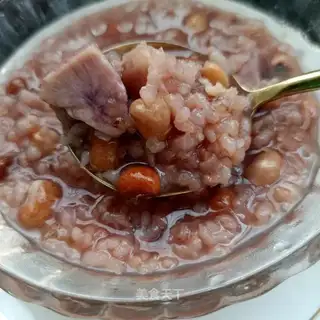
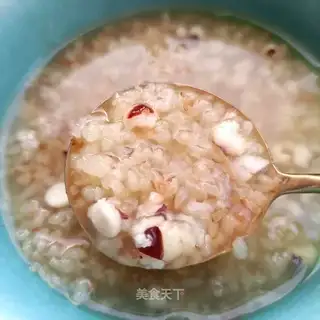
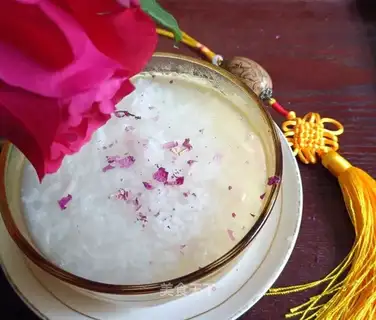
In traditional Chinese medicine (TCM), japonica rice is revered for its “cooling” properties, which help balance the body’s yin and yang. It is often recommended for individuals with “heat” symptoms, such as inflammation, fever, or digestive upset. Congee, a thin porridge made by simmering japonica rice in water for several hours, is a staple in TCM for its soothing and easy-to-digest nature. It is commonly prescribed during illness, recovery, or for those with weak digestion. TCM practitioners also believe japonica rice tonifies the spleen and stomach, improving appetite and nutrient absorption. While these traditional uses are rooted in centuries of observation, modern science supports many of their claims, such as the anti-inflammatory and digestive benefits of japonica rice.
Precautions and Potential Side Effects: Mindful Consumption for Optimal Health
While japonica rice is a highly nutritious food, it is not without potential drawbacks—especially when consumed in excess or by certain individuals. Understanding these precautions ensures that japonica rice is enjoyed safely and effectively.
1. Arsenic Contamination: A Hidden Risk
One of the most significant concerns with rice—regardless of variety—is its potential to accumulate arsenic, a toxic heavy metal. Rice plants absorb arsenic more readily than other crops due to the way they grow in flooded paddies, which increases arsenic availability in the soil. Arsenic is classified as a Group 1 carcinogen by the World Health Organization (WHO), and long-term exposure is linked to skin, lung, and bladder cancer, as well as developmental issues in children.
To minimize arsenic exposure, follow these guidelines:
- Choose low-arsenic varieties: Brown rice tends to contain more arsenic than white rice because arsenic accumulates in the bran. However, some japonica varieties (e.g., those grown in California) have lower arsenic levels than basmati or jasmine rice.
- Wash rice thoroughly: Rinse rice under running water before cooking to remove surface arsenic. Soaking rice for 30 minutes and discarding the water can further reduce arsenic levels by up to 30%.
- Cook with excess water: Using a 6:1 water-to-rice ratio (instead of the typical 2:1) and draining the excess water after cooking can reduce arsenic by up to 60%.
- Diversify grains: Limit rice intake to 2–3 times per week and alternate with other grains like quinoa, barley, or oats, which have lower arsenic levels.
2. High Carbohydrate Content: Moderation for Diabetics and Weight Watchers
While complex carbohydrates are beneficial, excessive intake of japonica rice—especially white rice—can contribute to weight gain and blood sugar spikes in susceptible individuals. A cup of cooked white japonica rice contains about 45 grams of carbohydrates, which can add up quickly in large portions. For people with type 2 diabetes, portion control is key: the American Diabetes Association recommends 1/4 to 1/2 cup of cooked rice per meal, paired with protein and fiber to slow glucose absorption. For those trying to lose weight, limiting rice to 1/2 cup per meal and choosing brown rice (which is more filling) can help control calories.
3. Anti-Nutrients: Phytic Acid and Mineral Absorption
Like all whole grains, brown japonica rice contains phytic acid (an organic acid found in the bran and germ), which can bind to minerals like iron, zinc, and calcium, reducing their absorption. While this is not a concern for most people with balanced diets, individuals with mineral deficiencies (e.g., anemia) may need to take precautions. To reduce phytic acid:
- Soak rice overnight: Soaking grains in water with a splash of vinegar or lemon juice activates phytase, an enzyme that breaks down phytic acid.
- Ferment or sprout rice: Making fermented rice products (e.g., rice sourdough) or sprouted brown rice can further reduce phytic acid levels.
- Pair with vitamin C: Consuming rice with vitamin C-rich foods (e.g., broccoli, citrus fruits) enhances iron absorption, counteracting the effects of phytic acid.
4. Gluten Sensitivity: A Safe Option for Celiacs
Japonica rice is naturally gluten-free, making it an excellent staple for individuals with celiac disease or gluten sensitivity. Unlike wheat, barley, and rye, rice does not contain gluten, a protein that triggers an immune response in gluten-intolerant individuals. However, cross-contamination is a risk: rice can be contaminated with gluten during processing or cooking if shared equipment (e.g., mills, pots) is used for gluten-containing grains. For those with severe gluten allergies, choose certified gluten-free rice products and avoid rice dishes cooked in shared kitchens.
5. Digestive Discomfort: Fiber and Gas
While fiber is beneficial for most people, a sudden increase in fiber intake—such as switching from white rice to brown rice—can cause digestive discomfort, including bloating, gas, and diarrhea. To avoid this, increase fiber intake gradually over several weeks and drink plenty of water to help fiber move through the digestive tract. For individuals with IBS or other digestive disorders, low-FODMAP diets often limit high-fiber grains, so brown japonica rice should be consumed in moderation and monitored for symptoms.
Conclusion: Japonica Rice as a Cornerstone of a Balanced Diet
Japonica rice is far more than a simple staple—it is a nutritional powerhouse that has sustained civilizations for millennia. From its complex carbohydrates that provide steady energy to its fiber, vitamins, and minerals that support gut health, heart function, and bone strength, japonica rice offers a wide range of benefits when consumed as part of a balanced diet. Its versatility in the kitchen—from fluffy steamed rice to hearty congee—makes it a beloved ingredient in cuisines worldwide.
However, like all foods, japonica rice requires mindful consumption. By choosing low-arsenic varieties, washing and cooking it properly, and pairing it with complementary foods, individuals can minimize risks and maximize its nutritional value. For those with diabetes, gluten sensitivity, or digestive issues, portion control and preparation adjustments can ensure japonica rice remains a safe and healthy choice.
In a world where processed foods and refined grains dominate, japonica rice stands as a reminder of the power of whole, natural foods. Whether enjoyed as a warm bowl of rice on a cold day or as a base for a vibrant stir-fry, japonica rice is not just food—it is a symbol of nourishment, balance, and the enduring connection between land and table. By understanding its nutritional profile, benefits, and precautions, we can all harness the power of this humble grain to live healthier, more vibrant lives.