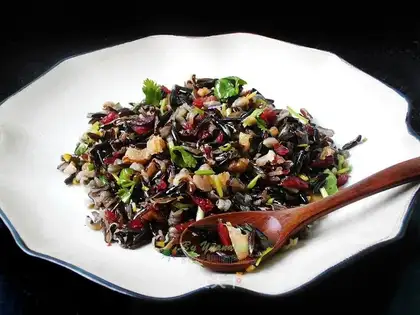
Wild rice, often referred to as "the caviar of grains," is not actually rice but the seed of aquatic grasses Zizania aquatica, Zizania palustris, and related species. Native to North America and parts of East Asia, this dark, slender grain has been a staple for indigenous peoples for centuries, valued for its earthy flavor, chewy texture, and exceptional nutritional profile. Today, wild rice is celebrated globally as a superfood, offering a unique combination of macronutrients, vitamins, minerals, and bioactive compounds. This article explores the nutritional value of wild rice, its health benefits, and important precautions for consumption.
I. Nutritional Value of Wild Rice
Wild rice stands out among grains due to its superior nutritional density. A 100-gram (cooked) serving of wild rice typically contains:
1. Macronutrients
- Protein: Wild rice is a rare plant-based complete protein, containing all nine essential amino acids (lysine, methionine, threonine, etc.). It provides approximately 3-4 grams of protein per cooked cup, making it an excellent choice for vegetarians, vegans, and athletes.
- Dietary Fiber: With about 6-7 grams of fiber per cooked cup, wild rice supports digestive health, promotes satiety, and helps regulate blood sugar levels. The fiber is primarily insoluble, which aids in bowel regularity and may reduce the risk of diverticulitis.
- Complex Carbohydrates: Unlike refined grains, wild rice is rich in complex carbohydrates, releasing energy slowly and preventing blood sugar spikes. It has a low glycemic index (GI) of 45-55, making it suitable for individuals with diabetes or insulin resistance.
2. Micronutrients
Wild rice is a powerhouse of essential vitamins and minerals:
- Manganese: A 1-cup serving provides over 30% of the daily recommended intake (DRI) of manganese, a mineral critical for antioxidant defense, bone formation, and metabolism.
- Magnesium: With approximately 20% of the DRI per cup, wild rice supports muscle function, nerve transmission, and blood pressure regulation.
- Phosphorus: This mineral is vital for energy production, cell repair, and bone health, with wild rice offering around 15% of the DRI per serving.
- B Vitamins: Wild rice is a good source of B vitamins, including niacin (B3), thiamine (B1), and riboflavin (B2), which are essential for energy metabolism and nervous system function.
- Zinc and Iron: It contains smaller but significant amounts of zinc (important for immune function) and iron (crucial for oxygen transport), particularly beneficial for individuals following plant-based diets.
3. Bioactive Compounds
- Antioxidants: Wild rice is rich in anthocyanins (the pigments responsible for its dark color) and phenolic acids, which combat oxidative stress and reduce inflammation. Studies show it has higher antioxidant activity than brown rice or quinoa.
- Phytosterols: These plant compounds help lower cholesterol absorption by competing with dietary cholesterol in the gut, supporting cardiovascular health.
II. Health Benefits of Wild Rice
The unique nutritional composition of wild rice translates into a range of health benefits, backed by scientific research.
1. Supports Heart Health
- Lowers Cholesterol: The fiber and phytosterols in wild rice reduce LDL ("bad") cholesterol levels while increasing HDL ("good") cholesterol. A 2018 study in the Journal of Agricultural and Food Chemistry found that regular consumption of wild rice decreased cardiovascular risk markers in postmenopausal women.
- Regulates Blood Pressure: The magnesium and potassium in wild rice help relax blood vessels, improving blood flow and reducing hypertension risk. A 2020 meta-analysis in Hypertension linked whole-grain intake (including wild rice) to a 15% lower risk of stroke.
2. Enhances Digestive Health
The high fiber content in wild rice promotes a healthy gut microbiome by acting as a prebiotic, feeding beneficial bacteria like Bifidobacterium and Lactobacillus. This can alleviate constipation, reduce inflammation in the gut, and lower the risk of colorectal cancer. Additionally, insoluble fiber adds bulk to stool, speeding up waste elimination.
3. Aids in Weight Management
Wild rice’s high fiber and protein content increase satiety, reducing overall calorie intake. A 2019 study in Nutrients found that participants who consumed whole grains like wild rice had a lower body mass index (BMI) and reduced abdominal fat compared to those eating refined grains. Its slow-digesting carbohydrates also prevent energy crashes, curbing unhealthy snacking.
4. Boosts Immune Function
The zinc and antioxidants in wild rice strengthen the immune system. Zinc deficiency impairs immune cell development, while antioxidants neutralize free radicals that can damage immune cells. A 100-gram serving of wild rice provides about 10% of the DRI for zinc, supporting antibody production and wound healing.
5. Supports Bone Health
Wild rice is an excellent source of manganese, phosphorus, and magnesium—all essential for bone mineralization. Manganese activates enzymes involved in bone formation, while phosphorus and calcium (present in smaller amounts) maintain bone density. Regular consumption may reduce the risk of osteoporosis, particularly in older adults.
6. Provides Anticancer Properties
The phenolic acids and anthocyanins in wild rice exhibit anti-cancer effects by inhibiting tumor cell growth and reducing inflammation. A 2021 study in Food & Function demonstrated that wild rice extract suppressed the proliferation of colon cancer cells in vitro. Its fiber content also reduces exposure to carcinogens by speeding up bowel movements.
7. Enhances Energy and Metabolism
The B vitamins in wild rice play a key role in converting food into energy. Niacin (B3) supports metabolic reactions, while thiamine (B1) helps break down carbohydrates. The complex carbohydrates in wild rice provide sustained energy, making it an ideal food for athletes or individuals with active lifestyles.
III. Precautions and Potential Side Effects
While wild rice is highly nutritious, certain precautions should be taken to maximize its benefits and avoid adverse effects.
1. Arsenic Content
Wild rice, like other rice varieties, may contain trace amounts of inorganic arsenic, a toxic metal linked to long-term health risks (e.g., skin lesions, cardiovascular disease, and cancer). To minimize exposure:
- Diversify Grains: Alternate wild rice with other grains (quinoa, barley, oats) to reduce cumulative arsenic intake.
- Rinse Thoroughly: Wash wild rice under running water before cooking to remove surface arsenic.
- Cook with More Water: Use a 4:1 water-to-rice ratio (instead of the typical 3:1) to leach out arsenic during cooking.
2. Anti-Nutrients
Wild rice contains phytic acid (an anti-nutrient) that can bind to minerals (iron, zinc, calcium) and reduce their absorption. To mitigate this:
- Soak Before Cooking: Soaking wild rice for at least 8 hours (or overnight) reduces phytic acid by 50-80%.
- Ferment or Sprout: Fermenting or sprouting wild rice further decreases anti-nutrient levels and enhances nutrient bioavailability.
3. Allergic Reactions
Though rare, some individuals may be allergic to wild rice, experiencing symptoms such as itching, hives, or digestive distress. Those with a history of grass allergies (e.g., to wheat or rye) should exercise caution, as wild rice belongs to the Poaceae grass family.
4. Blood Sugar Concerns for Diabetics
While wild rice has a low GI, overconsumption can still raise blood sugar levels due to its carbohydrate content. Diabetics should monitor portion sizes (½ cup cooked per serving) and pair it with protein or healthy fats to stabilize blood sugar.
5. Digestive Discomfort
The high fiber content in wild rice may cause bloating, gas, or diarrhea in individuals with sensitive digestive systems. Gradually introduce wild rice into the diet and start with small portions (¼ cup cooked) to allow the gut to adapt.
IV. Culinary Uses and Selection Tips
To fully enjoy wild rice’s nutritional benefits, consider these culinary tips:
- Selection: Opt for whole-grain wild rice (not blends with brown or white rice) for maximum nutrients. Look for uniform, dark grains with no discoloration or off-odors.
- Cooking: Rinse thoroughly, then simmer with water or broth (4:1 ratio) for 45-60 minutes until tender. Add herbs (thyme, rosemary) or spices (cumin, garlic) to enhance flavor.
- Pairings: Combine wild rice with roasted vegetables, lean proteins (chicken, fish, tofu), or legumes for a balanced meal. Use it in salads, soups, or stuffings for added texture and nutrition.
Conclusion
Wild rice is a nutritional powerhouse that offers an impressive array of health benefits, from heart health and weight management to immune support and bone strength. Its high protein, fiber, and antioxidant content make it a superior alternative to refined grains, while its versatility in culinary applications ensures it can be enjoyed in various dishes. However, mindful consumption—such as rinsing to reduce arsenic, soaking to lower anti-nutrients, and moderating portions for sensitive individuals—is key to reaping its benefits safely. By incorporating wild rice into a balanced diet, individuals can enhance their overall health while savoring its unique flavor and texture—a true gift from nature.