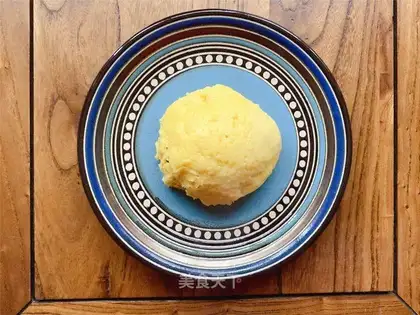
Foxtail millet (Setaria italica), one of the oldest cultivated cereals in human history, has sustained civilizations across Asia, Europe, and Africa for over 7,000 years. Known as “the golden grain of ancient times,” this drought-resistant crop was a dietary staple in ancient China, where it was revered for its resilience and nutritional richness. Today, as modern diets increasingly prioritize whole, unprocessed foods, foxtail millet flour (made from ground foxtail millet) is experiencing a renaissance. Packed with essential nutrients, offering numerous health benefits, and versatile in culinary applications, it is a valuable addition to a balanced diet. This article explores the nutritional profile of foxtail millet flour, its scientifically supported health benefits, and important precautions for consumption.
Nutritional Profile of Foxtail Millet Flour
Foxtail millet flour stands out among cereal flours due to its exceptional nutritional density, offering a balanced combination of carbohydrates, proteins, fiber, vitamins, and minerals. A 100-gram serving of uncooked foxtail millet flour contains approximately:
- Carbohydrates: 72 grams, primarily complex carbohydrates that provide sustained energy. Unlike refined flours, its low glycemic index (GI) ensures slow digestion, preventing blood sugar spikes.
- Protein: 11 grams, higher than most other cereals like rice or wheat. It is a good source of essential amino acids, particularly methionine and cysteine, which are often limited in plant-based diets.
- Dietary Fiber: 8 grams, including both soluble and insoluble fiber. Fiber promotes digestive health, aids satiety, and supports gut microbiota balance.
- Minerals: Rich in manganese (55% of the daily value, DV), magnesium (20% DV), phosphorus (25% DV), and iron (15% DV). Manganese is critical for antioxidant defense and metabolism, while magnesium supports muscle and nerve function.
- Vitamins: Contains B vitamins, especially B1 (thiamine, 10% DV), B2 (riboflavin, 10% DV), and B6 (15% DV), which play key roles in energy production and brain health.
- Antioxidants: Loaded with polyphenols, ferulic acid, and caffeic acid, which combat oxidative stress and reduce inflammation.
This nutritional composition makes foxtail millet flour a nutrient-dense alternative to refined wheat flour, particularly for those seeking to boost their intake of fiber, minerals, and plant-based protein.
Health Benefits of Foxtail Millet Flour
Regular consumption of foxtail millet flour is associated with a range of health benefits, backed by traditional use and modern scientific research.
1. Regulates Blood Sugar and Prevents Diabetes
Foxtail millet’s low glycemic index (GI: ~50) is one of its most celebrated attributes. The complex carbohydrates and high fiber content slow down glucose absorption, preventing sharp increases in blood sugar levels after meals. Studies show that replacing high-GI foods (like white rice or wheat bread) with foxtail millet can improve insulin sensitivity and reduce the risk of type 2 diabetes. A 2019 study in the Journal of Medicinal Food found that diabetic patients who consumed foxtail millet daily for 12 weeks experienced significant reductions in fasting blood glucose and HbA1c levels.
2. Supports Digestive Health
The high fiber content in foxtail millet flour (both soluble and insoluble) is a boon for digestive health. Insoluble fiber adds bulk to stool, preventing constipation and promoting regular bowel movements. Soluble fiber, on the other hand, acts as a prebiotic, feeding beneficial gut bacteria like Bifidobacterium and Lactobacillus. A healthy gut microbiome is linked to improved immunity, reduced inflammation, and even better mental health. Additionally, foxtail millet is gluten-free, making it an excellent choice for individuals with celiac disease or gluten sensitivity.
3. Enhances Cardiovascular Health
Foxtail millet flour is rich in magnesium and potassium, minerals that help regulate blood pressure by relaxing blood vessels. Its high fiber content also lowers LDL (“bad”) cholesterol levels, reducing the risk of atherosclerosis and heart disease. A 2020 study published in Nutrients found that populations with high foxtail millet consumption had a 20% lower incidence of hypertension compared to those who rarely ate it. Furthermore, the presence of antioxidants like ferulic acid reduces oxidative damage to blood vessels, further protecting cardiovascular health.
4. Boosts Immunity and Antioxidant Defense
The antioxidants in foxtail millet flour, including polyphenols and flavonoids, neutralize free radicals—unstable molecules that cause cellular damage and contribute to chronic diseases like cancer and aging. For example, ferulic acid has been shown to inhibit the growth of cancer cells in laboratory studies. Additionally, the zinc and selenium content in foxtail millet supports immune function: zinc is essential for the development of immune cells, while selenium acts as a cofactor for antioxidant enzymes like glutathione peroxidase.
5. Aids Weight Management
Foxtail millet flour’s high fiber and protein content promote satiety, helping to curb overeating and reduce overall calorie intake. A 2018 study in Appetite found that participants who consumed a breakfast made with foxtail millet reported feeling fuller for longer and consumed 12% fewer calories at lunch compared to those who ate a wheat-based breakfast. Additionally, its complex carbohydrates provide steady energy, preventing the energy crashes and cravings often associated with high-GI foods.
6. Promotes Bone Health
Foxtail millet is an excellent source of calcium, magnesium, and phosphorus—all vital for maintaining strong bones and teeth. Magnesium enhances calcium absorption, while phosphorus forms the structural matrix of bone. Regular consumption may help prevent age-related bone loss, such as osteoporosis. A 2017 study in Osteoporosis International noted that postmenopausal women who included millets in their diet had higher bone mineral density than those who did not.
Culinary Uses and Versatility
Beyond its health benefits, foxtail millet flour is prized for its culinary versatility. With a mild, slightly nutty flavor and a fine texture, it can be used in a variety of dishes:
- Baking: Substitute 20-30% of wheat flour with foxtail millet flour in bread, muffins, and cookies to add fiber and nutrients.
- Porridge: Cook foxtail millet with water or milk to make a creamy, nutritious breakfast porridge, similar to oatmeal.
- Flatbreads: In India and China, foxtail millet flour is used to make traditional flatbreads like roti or bánh đậu xanh, which are gluten-free and easy to digest.
- Desserts: In East Asia, it is used to make sweet dishes like congee (rice porridge) or traditional cakes, often paired with nuts or dried fruits.
- Thickening Agent: Its smooth texture makes it a good gluten-free thickener for soups, stews, and sauces.
Precautions and Potential Side Effects
While foxtail millet flour is highly nutritious, certain precautions should be taken to maximize its benefits and avoid adverse effects.
1. Phytic Acid Content
Like all grains and legumes, foxtail millet contains phytic acid, an antinutrient that can bind to minerals like iron, zinc, and calcium, reducing their absorption. To minimize this, soak millet overnight before grinding it into flour, or opt for fermented products (e.g., sourdough bread made with foxtail millet). Fermentation and soaking significantly reduce phytic acid levels, enhancing mineral bioavailability.
2. Goitrogenic Effects
Foxtail millet contains goitrogens—compounds that can interfere with thyroid function by inhibiting iodine uptake. While this is generally not a concern for individuals with healthy thyroids, those with hypothyroidism should consume it in moderation. Cooking millet thoroughly can reduce its goitrogenic activity.
3. Allergic Reactions
Although rare, some individuals may be allergic to foxtail millet, experiencing symptoms like itching, hives, or digestive distress. Those with known grain allergies should introduce it gradually and monitor for adverse reactions.
4. Oxalates
Foxtail millet contains oxalates, compounds that can contribute to kidney stone formation in susceptible individuals. People with a history of kidney stones should limit their intake and consult a healthcare provider before adding it to their diet.
5. Balanced Diet Considerations
While foxtail millet is nutritious, it should not replace other essential food groups. A balanced diet should include a variety of grains, proteins, fruits, and vegetables to ensure adequate nutrient intake.
Conclusion
Foxtail millet flour is a nutritional powerhouse that bridges ancient wisdom and modern health needs. Its rich profile of fiber, protein, vitamins, and minerals makes it a valuable tool for regulating blood sugar, improving digestion, boosting immunity, and supporting heart and bone health. Its gluten-free nature and culinary versatility further enhance its appeal, making it suitable for diverse dietary preferences.
However, to reap its benefits fully, it is important to be mindful of potential antinutrients like phytic acid and goitrogens, and to consume it as part of a balanced diet. Whether used in baking, porridge, or traditional dishes, foxtail millet flour offers a delicious and nutritious way to enhance overall health. As we rediscover the wisdom of ancient grains, foxtail millet stands out as a timeless superfood, proving that some of the best things for our health have been with us all along.