Introduction
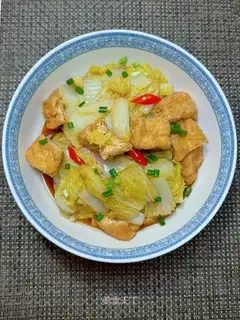
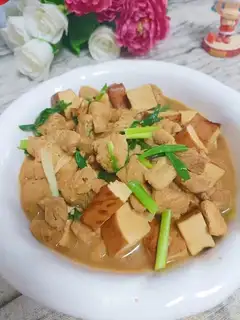
Tofu puffs, known as doujiao (豆泡) or tofu skin pockets in Chinese, are a beloved staple in Asian cuisine and increasingly popular worldwide. These golden, porous, sponge-like creations are made by frying or baking coagulated soybean curd until puffed and crispy on the outside, while remaining tender on the inside. More than just a culinary delight, tofu puffs pack a surprising nutritional punch, offering a versatile, plant-based ingredient that fits into various diets. From their rich protein content to their unique role in traditional medicine, tofu puffs have earned their place as a "functional food." However, like all ingredients, they must be consumed wisely to maximize benefits and avoid potential risks. This article explores the nutritional value of tofu puffs, their health benefits, and important considerations for safe consumption.
Nutritional Value of Tofu Puffs
Tofu puffs are derived from soybeans, a legume renowned for its high-quality protein and phytonutrients. While the exact nutritional profile varies slightly based on preparation (e.g., frying oil, size), a 100-gram serving of plain, fried tofu puffs typically contains:
- Protein: 15–20 grams, providing all nine essential amino acids, making it a complete protein source. This is particularly valuable for vegetarians, vegans, and individuals seeking to reduce animal product intake.
- Fat: 10–15 grams, primarily unsaturated fats (including heart-healthy oleic and linoleic acids). The frying process may increase fat content, but choosing baked or air-fried versions can reduce this.
- Carbohydrates: 5–8 grams, mostly fiber, with minimal sugar. The fiber aids digestion and promotes gut health.
- Vitamins and Minerals: Rich in B vitamins (especially B1, B2, and B12, often fortified), iron, calcium, magnesium, and zinc. For example, a serving may provide 15–20% of the daily recommended iron intake, crucial for preventing anemia.
- Phytochemicals: Tofu puffs contain isoflavones (genistein, daidzein, and glycitein), antioxidants that combat oxidative stress and reduce inflammation. They also offer lecithin, which supports brain health and cholesterol metabolism.
Compared to regular tofu, tofu puffs have a lower water content due to frying, concentrating their nutrients. However, this also means they are higher in calories (150–200 calories per 100 grams) than fresh tofu, making portion control important for weight management.
Health Benefits of Tofu Puffs
The combination of protein, healthy fats, vitamins, and phytochemicals in tofu puffs contributes to a range of health benefits, supported by both traditional use and modern research.
1. Muscle Maintenance and Weight Management
As a high-protein, low-carb food, tofu puffs are ideal for muscle repair and growth, making them popular among athletes and fitness enthusiasts. Protein also promotes satiety, reducing overall calorie intake by curbing hunger. A study in the Journal of Nutrition found that high-protein diets enhance weight loss and preserve lean muscle mass, and tofu puffs can be a valuable component of such plans.
2. Heart Health
Soy isoflavones in tofu puffs have been shown to lower LDL ("bad") cholesterol and increase HDL ("good") cholesterol, reducing the risk of atherosclerosis. The unsaturated fats further support cardiovascular health by improving blood lipid profiles. The American Heart Association (AHA) includes soy products in its list of "heart-healthy foods" due to these benefits.
3. Bone Health
Tofu puffs are a good source of calcium and magnesium, minerals essential for bone density. For individuals who avoid dairy, they offer a plant-based alternative to support bone strength, reducing the risk of osteoporosis. Some varieties are also fortified with vitamin D, which enhances calcium absorption.
4. Anticancer Properties
Genistein, a key isoflavone in tofu puffs, has been studied for its potential to inhibit cancer cell growth, particularly in hormone-related cancers such as breast and prostate cancer. Research published in Cancer Prevention Research suggests that regular soy consumption may reduce cancer risk, though more human trials are needed to confirm these effects.
5. Blood Sugar Regulation
The fiber and protein in tofu puffs slow down carbohydrate digestion, preventing spikes in blood sugar levels. This makes them a suitable food for people with diabetes or prediabetes. A 2020 study in Nutrients found that soy-based meals improved glycemic control in type 2 diabetics.
6. Cognitive Function
Lecithin in tofu puffs contains choline, a nutrient vital for brain health. Choline is a precursor to acetylcholine, a neurotransmitter that supports memory and mood. Additionally, antioxidants in tofu puffs protect brain cells from oxidative damage, potentially reducing the risk of neurodegenerative diseases like Alzheimer’s.
Culinary Versatility
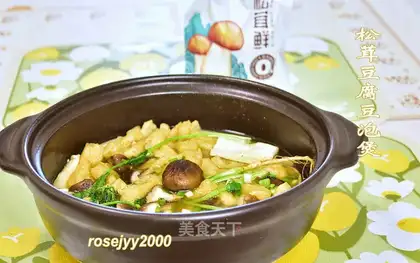
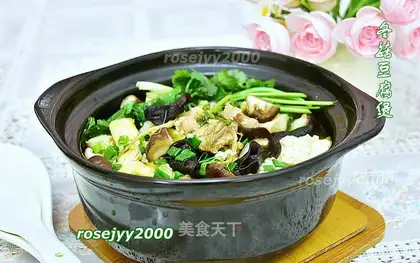
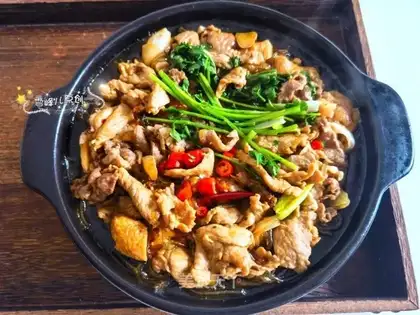
Beyond health benefits, tofu puffs are prized for their culinary adaptability. Their porous texture allows them to absorb flavors, making them ideal for braising, stir-frying, or stuffing. In Chinese cuisine, they are commonly used in hot pots (where they soak up rich broths), braised dishes (e.g., maotou tofu, a Shanghainese specialty), or as a meat substitute in vegetarian "mock meat" recipes. In Western kitchens, they can be added to salads, sandwiches, or casseroles for a protein boost. Baking tofu puffs instead of frying reduces fat content while retaining their chewy texture, making them a healthier snacking option when seasoned with herbs and spices.
Consumption Precautions and Taboos
While tofu puffs offer numerous benefits, improper consumption or overconsumption may lead to adverse effects. Here are key considerations:
1. Soy Allergies
Soy is one of the eight major allergens, and individuals with soy allergies must avoid tofu puffs. Symptoms range from mild (hives, itching) to severe (anaphylaxis), so caution is essential for those with known allergies.
2. Thyroid Health
Soy isoflavones may interfere with thyroid hormone production when consumed in excess, particularly in individuals with iodine deficiency or preexisting hypothyroidism. Cooking tofu puffs can reduce goitrogenic compounds, and moderate consumption (1–2 servings per week) is generally safe for most people. Those with thyroid conditions should consult a doctor before adding soy to their diet.
3. High Sodium Content
Store-bought or restaurant-prepared tofu puffs are often high in sodium due to seasoning and brining. Excessive sodium intake can raise blood pressure and increase the risk of heart disease. Opt for low-sodium varieties or prepare homemade tofu puffs with minimal salt to mitigate this risk.
4. Frying and Oil Absorption
Fried tofu puffs absorb oil during cooking, increasing their calorie and fat content. Limit consumption of deep-fried versions and choose baked, air-fried, or steamed alternatives. For those watching their weight, a 100-gram serving (about 5–6 puffs) is a reasonable portion.
5. Pregnancy and Breastfeeding
While moderate soy consumption is safe during pregnancy and breastfeeding, excessive intake of isoflavones may affect hormone levels. Pregnant women should limit their intake to 1–2 servings per day and consult a healthcare provider if unsure.
6. Drug Interactions
Soy isoflavones may interact with medications such as thyroid hormone replacement therapy (e.g., levothyroxine) and certain antibiotics (e.g., tetracycline), reducing their effectiveness. Take these medications at least 2–3 hours apart from soy-based foods to avoid interactions.
Conclusion
Tofu puffs are a nutritional powerhouse, offering high-quality protein, heart-healthy fats, and disease-fighting phytochemicals. Their versatility in cooking makes them a valuable addition to any diet, whether for muscle support, weight management, or heart health. However, like all foods, they should be consumed in moderation and with awareness of potential risks, especially for individuals with allergies, thyroid issues, or specific health conditions. By understanding their benefits and precautions, people can enjoy tofu puffs as a delicious and wholesome part of a balanced diet. As global interest in plant-based foods grows, tofu puffs are poised to remain a staple in both traditional and modern cuisine, bridging nutrition and flavor in every bite.