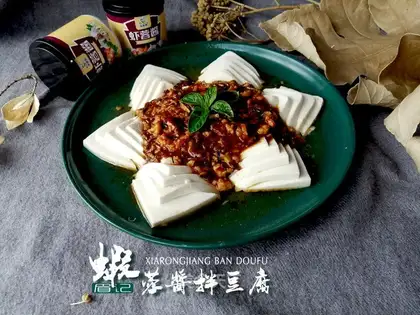
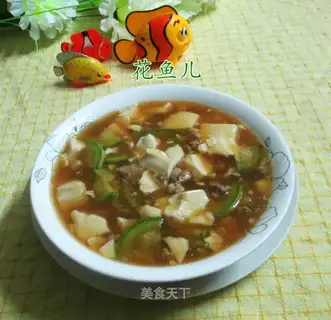
Silken tofu, known for its delicate, custard-like texture, is a staple in Asian cuisine and has gained global popularity as a versatile, nutrient-dense ingredient. Unlike firm or extra-firm tofu, silken tofu is made by coagulating soy milk with calcium sulfate or magnesium chloride, then lightly pressing it to retain high moisture content. This results in a smooth, almost gelatinous consistency that makes it ideal for both sweet and savory dishes. Beyond its culinary flexibility, silken tofu is celebrated for its impressive nutritional profile, numerous health benefits, and role in supporting overall wellness. However, like all foods, it must be consumed mindfully to avoid potential risks. This article explores the nutritional value of silken tofu, its health benefits, and important precautions for safe consumption.
Nutritional Value of Silken Tofu
Silken tofu is a nutritional powerhouse, offering a rich blend of macronutrients, vitamins, and minerals while being low in calories. A 100-gram serving of silken tofu (approximately half a cup) typically contains:
- Protein: Around 6–8 grams of high-quality plant-based protein, making it an excellent alternative to animal protein for vegetarians, vegans, and those reducing meat intake. Soy protein, the primary protein in tofu, is a complete protein, containing all nine essential amino acids necessary for human health.
- Healthy Fats: Silken tofu is low in saturated fat (about 1–2 grams per serving) and contains heart-healthy polyunsaturated fats, including omega-3 and omega-6 fatty acids. These fats support brain function, reduce inflammation, and lower the risk of cardiovascular disease.
- Carbohydrates: With only 1–2 grams of carbohydrates per serving, silken tofu is a low-glycemic index food, making it suitable for individuals managing blood sugar levels, such as those with diabetes.
- Vitamins and Minerals: Silken tofu is a good source of several micronutrients. It provides calcium (about 10–20% of the daily value, depending on coagulant), which is crucial for bone health. It also contains iron, magnesium, phosphorus, and B vitamins (such as folate and riboflavin). Additionally, some brands fortify silken tofu with vitamin D or vitamin B12, enhancing its nutritional value.
- Phytochemicals: As a soy product, silken tofu is rich in isoflavones, particularly genistein and daidzein. These phytoestrogens have antioxidant properties and are linked to various health benefits, including reduced risk of chronic diseases.
Health Benefits of Silken Tofu
The unique combination of nutrients in silken tofu contributes to a wide range of health benefits, from supporting heart health to promoting weight management.
1. Supports Heart Health
Silken tofu is a heart-healthy food due to its low saturated fat content and high levels of polyunsaturated fats. Studies show that replacing animal protein with soy protein can lower LDL (“bad”) cholesterol and reduce the risk of hypertension. The isoflavones in silken tofu also help improve blood vessel elasticity, enhancing blood flow and reducing the risk of atherosclerosis. A 2019 meta-analysis published in the Journal of the American Heart Association found that regular soy protein consumption was associated with a 5–6% reduction in LDL cholesterol, significantly benefiting cardiovascular health.
2. Aids in Weight Management
With its low calorie count and high protein content, silken tofu is an excellent food for weight control. Protein increases satiety, helping to curb hunger and reduce overall calorie intake. A 2020 study in the Journal of Nutrition found that participants who consumed soy-based protein meals felt fuller for longer and had lower subsequent calorie intake compared to those eating meals with animal protein. Additionally, silken tofu’s low glycemic index helps stabilize blood sugar levels, preventing energy crashes and cravings that often lead to overeating.
3. Promotes Bone Health
Silken tofu is a valuable source of calcium, a mineral essential for maintaining strong bones and teeth. For individuals who are lactose intolerant or follow a vegan diet, silken tofu provides a dairy-free alternative to meet calcium needs. Some brands are also fortified with vitamin D, which enhances calcium absorption. Furthermore, the isoflavones in silken tofu may help reduce bone loss in postmenopausal women, who are at higher risk of osteoporosis. A 2018 study in Osteoporosis International reported that postmenopausal women who consumed soy isoflavones regularly had higher bone mineral density than those who did not.
4. Supports Digestive Health
Silken tofu is easy to digest, making it suitable for individuals with sensitive digestive systems, such as the elderly or those recovering from illness. Its soft texture minimizes strain on the digestive tract, while its prebiotic fiber (though less abundant than in firm tofu) feeds beneficial gut bacteria, promoting a healthy microbiome. A healthy gut microbiome is linked to improved immunity, better mood, and reduced risk of digestive disorders like irritable bowel syndrome (IBS).
5. May Reduce Cancer Risk
The isoflavones in silken tofu have been studied for their potential anti-cancer properties. Genistein, in particular, has been shown to inhibit the growth of cancer cells and reduce the risk of hormone-related cancers, such as breast and prostate cancer. While more human studies are needed, observational research suggests that populations with high soy consumption (e.g., East Asian countries) have lower rates of certain cancers. A 2020 review in Nutrients concluded that moderate soy intake during adolescence and adulthood may be associated with a reduced risk of breast cancer.
6. Balances Hormones
Soy isoflavones act as phytoestrogens, meaning they can mimic the effects of estrogen in the body. This property makes silken tofu potentially beneficial for women experiencing menopausal symptoms, such as hot flashes and mood swings. A 2017 meta-analysis in Menopause found that soy isoflavones significantly reduced the frequency and severity of hot flashes in postmenopausal women. However, the effects vary by individual, and those with hormone-sensitive conditions should consult a healthcare provider before consuming large amounts.
Precautions and Potential Side Effects
While silken tofu offers numerous health benefits, it is important to consume it in moderation and be aware of potential risks, especially for certain populations.
1. Soy Allergies
Soy is one of the eight major allergens, and individuals with soy allergies should avoid silken tofu entirely. Allergic reactions can range from mild symptoms (hives, itching) to severe anaphylaxis, which requires immediate medical attention. Those with a history of soy allergy should carefully read food labels and avoid cross-contamination with soy products.
2. Hormone-Sensitive Conditions
Due to its phytoestrogen content, silken tofu may affect hormone levels in individuals with hormone-sensitive conditions, such as breast cancer, endometriosis, or uterine fibroids. While research is mixed, some studies suggest that high soy intake could potentially exacerbate these conditions. Women with such health concerns should consult their doctor before incorporating silken tofu into their diet.
3. Goitrogenic Effects
Soy contains goitrogens, compounds that can interfere with thyroid function by inhibiting the uptake of iodine. For individuals with healthy thyroid function, moderate soy consumption is unlikely to cause issues. However, those with hypothyroidism or iodine deficiency should limit their intake and ensure adequate iodine levels (e.g., through iodized salt or seafood). Cooking silken tofu can reduce its goitrogenic effects, making it safer for those with thyroid concerns.
4. Overconsumption of Phytates
Silken tofu contains phytates, compounds that can bind to minerals like iron, zinc, and calcium, reducing their absorption. While this is not a concern for most people, individuals with mineral deficiencies or those relying heavily on plant-based diets may need to be mindful. Soaking or cooking tofu can help reduce phytate levels, improving mineral bioavailability.
5. Additives and Processing
Some commercially produced silken tofu may contain additives such as calcium sulfate, magnesium chloride, or preservatives. While these are generally safe in small amounts, consumers should opt for organic or minimally processed brands when possible. Additionally, flavored silken tofu (e.g., sweetened or seasoned varieties) may contain added sugars or sodium, which should be limited for optimal health.
Conclusion
Silken tofu is a nutrient-dense, versatile ingredient that offers a host of health benefits, from supporting heart health and weight management to promoting bone strength and hormonal balance. Its high protein content, low calorie count, and rich profile of vitamins, minerals, and phytochemicals make it an excellent addition to a balanced diet. However, like all foods, it should be consumed mindfully, particularly by individuals with soy allergies, hormone-sensitive conditions, or thyroid issues. By choosing high-quality, minimally processed silken tofu and incorporating it into a varied diet, people can enjoy its culinary and health advantages while minimizing potential risks. Whether blended into smoothies, stirred into soups, or used as a dairy substitute, silken tofu is a delicious and nourishing choice for health-conscious individuals worldwide.