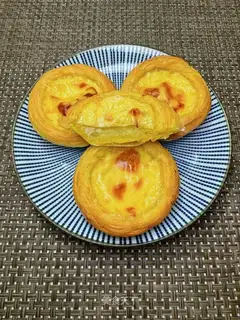
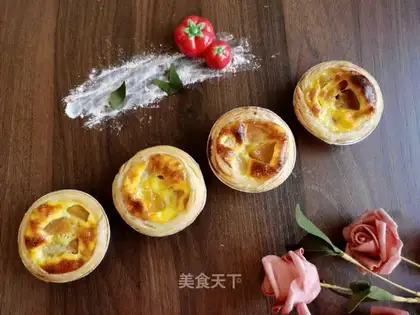
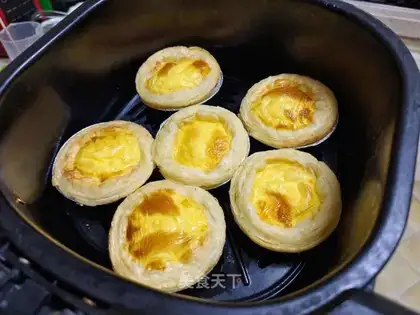
From the bustling streets of Hong Kong to the pastry counters of Lisbon, the egg tart—dan ta in Mandarin or pastel de nata in Portuguese—has long been a beloved global dessert. Its creamy, custard filling often steals the spotlight, but the foundation of this iconic treat is the egg tart shell: a delicate, flaky pastry that balances buttery richness with subtle sweetness. While often dismissed as mere "crust," the egg tart shell is a complex culinary creation with its own nutritional profile, surprising health benefits, and important considerations for consumption. This article delves into the science and culture of the egg tart shell, exploring its nutritional value, functional benefits, and potential risks, offering a comprehensive guide for enthusiasts and health-conscious eaters alike.
Part 1: Nutritional Value of Egg Tart Shells—More Than Just "Empty Calories"
At first glance, the egg tart shell might seem like a nutritional villain: a small, buttery pastry high in refined flour, fat, and sugar. However, a closer look reveals a nuanced composition shaped by its core ingredients—refined wheat flour, butter, sugar, and salt—each contributing distinct nutrients, albeit in moderation.
1.1 Refined Wheat Flour: The Foundation of Texture and Energy
The primary ingredient in most egg tart shells is refined wheat flour, typically high-protein "bread flour" or all-purpose flour. Refined flour undergoes milling that removes the bran and germ, leaving behind the endosperm—a trade-off that extends shelf life but reduces fiber and some micronutrients. Still, the endosperm is rich in carbohydrates, the body’s preferred source of energy. A 100-gram serving of egg tart shell (roughly 1–2 shells, depending on size) contains approximately 50–55 grams of carbohydrates, mostly in the form of starch. These carbs break down into glucose, fueling the brain, muscles, and vital organs.
Refined flour also provides protein, though less than whole wheat. A 100-gram portion offers 6–8 grams of protein, a building block for tissues, enzymes, and hormones. While not a "complete" protein (lacking sufficient lysine for some diets), it contributes to daily protein intake, especially for omnivores. Additionally, refined flour is fortified in many countries with B vitamins (thiamin, riboflavin, niacin) and iron to compensate for losses during processing. For example, thiamin (vitamin B1) helps convert food into energy, while iron supports oxygen transport in the blood.
1.2 Butter: The Source of Fat-Soluble Nutrients and Flavor
Butter is the soul of the egg tart shell, responsible for its signature flakiness and rich taste. Typically, shells use unsalted butter, with fat content ranging from 20–30% per 100 grams. While high in saturated fat (about 14–16 grams per 100 grams), butter also contains valuable fat-soluble vitamins. It is a natural source of vitamin A, essential for vision, immune function, and skin health—just 100 grams of butter provides over 1,000 micrograms of retinol equivalents, exceeding daily needs for most adults. Butter also contains small amounts of vitamin E (an antioxidant) and vitamin K2, which supports bone and heart health by directing calcium to bones instead of arteries.
The type of fat matters too. Butter contains butyrate, a short-chain fatty acid produced when gut bacteria ferment fiber, but butter itself provides trace amounts. Butyrate has anti-inflammatory properties and may support gut lining integrity. However, moderation is key: the American Heart Association recommends limiting saturated fat to 5–6% of daily calories (about 13 grams for a 2,000-calorie diet), meaning one or two egg tart shells could easily exceed this if consumed regularly.
1.3 Sugar: Beyond Sweetness
Sugar (usually granulated white sugar or powdered sugar) is added to egg tart shells in small quantities—typically 5–10 grams per 100 grams—to balance the butter’s richness and aid browning (via the Maillard reaction). While often demonized, sugar plays a functional role: it retains moisture, extends shelf life, and enhances the perception of flavor. Nutritionally, sugar provides empty calories—calories without essential nutrients—but in the context of an egg tart, its role is more about balance than excess. A single small shell (30 grams) contains roughly 3–5 grams of sugar, comparable to a small piece of fruit.
1.4 Salt: The Unsung Hero of Flavor
Salt is used sparingly (0.5–1 gram per 100 grams) but critically in egg tart shells. It enhances flavor by suppressing bitterness and amplifying sweetness, and it strengthens gluten structure, improving texture. While excessive sodium is linked to hypertension, the small amount in pastry shells is unlikely to impact health for most people. In fact, salt provides sodium, an electrolyte vital for nerve function, fluid balance, and muscle contractions.
In summary, the egg tart shell is not "junk food" but a calorie-dense, nutrient-modest food. It provides energy, protein, B vitamins, iron, and fat-soluble vitamins—though its refined flour and saturated fat content mean it should be enjoyed as part of a balanced diet, not a staple.
Part 2: Functional Benefits of Egg Tart Shells—Beyond Taste
While nutrition is often the focus of food analysis, the functional benefits of the egg tart shell—how it interacts with the body and mind—are equally noteworthy. From cognitive boosts to mood enhancement, this humble pastry offers more than just a satisfying crunch.
2.1 Rapid Energy Replenishment for Active Lifestyles
The high carbohydrate content of egg tart shells makes them an excellent source of quick energy. For athletes, busy professionals, or anyone needing a fast-acting fuel source, the starch in refined flour breaks down into glucose quickly, raising blood sugar levels to power the brain and muscles. This is particularly useful before or after exercise: a small egg tart can provide a rapid energy boost without the heaviness of a full meal. Unlike complex carbs (e.g., whole grains), which take longer to digest, refined flour’s glucose is available within minutes, making it ideal for situations requiring immediate energy.
2.2 Cognitive Support: Fuel for the Brain
The brain is a glucose-hungry organ, accounting for 20% of the body’s energy intake despite being just 2% of its weight. The carbohydrates in egg tart shells provide a steady supply of glucose, which is essential for focus, memory, and concentration. Studies show that moderate glucose intake can improve cognitive performance, particularly in tasks requiring attention and executive function. For students cramming for exams or workers tackling a mentally demanding project, a small egg tart shell (paired with protein, e.g., a hard-boiled egg) can help maintain mental clarity without the energy crash associated with sugary snacks.
2.3 Emotional Well-Being: The "Comfort Food" Effect
Egg tart shells are a classic example of comfort food, and their impact on mood is rooted in both chemistry and culture. Psychologically, pastries like egg tarts evoke positive associations—childhood memories, family gatherings, or the joy of a bakery visit—triggering the release of dopamine, a neurotransmitter linked to pleasure.
Biologically, the combination of fat and sugar in egg tart shells stimulates the brain’s reward system. Fat enhances the flavor of food and promotes the release of endorphins, while sugar triggers the release of serotonin, a neurotransmitter that regulates mood. This "fat-sugar combo" is why many people find pastries so satisfying: they provide a temporary mood lift, reducing stress and anxiety. Research confirms that moderate consumption of comfort foods can lower cortisol (the stress hormone) and improve emotional well-being, making egg tart shells a guilt-free treat for mental health.
2.4 Culinary Versatility: A Canvas for Creativity
Though often enjoyed plain, egg tart shells are surprisingly versatile. They can be used as edible bowls for savory fillings (e.g., crab salad, avocado), crumbled as a topping for desserts (e.g., cheesecakes, ice cream), or even repurposed as a base for mini quiches. This versatility means they can be adapted to fit various dietary needs: for a gluten-free option, substitute almond flour or gluten-free blends; for a lower-sugar version, use stevia or monk fruit sweetener. Their neutral flavor and sturdy yet flaky texture make them a culinary chameleon, enhancing both sweet and savory dishes.
Part 3:食用禁忌 (Dietary Considerations and Cautions)—Who Should Limit Egg Tart Shells?
While egg tart shells offer nutritional and functional benefits, they are not suitable for everyone. Their high calorie, saturated fat, and refined flour content means certain groups should consume them in moderation or avoid them altogether. Understanding these risks is key to enjoying egg tarts safely.
3.1 Weight Management: Calorie Density and Portion Control
A single egg tart shell (30–40 grams) contains 120–180 calories, mostly from fat and refined carbs. For individuals trying to lose or maintain weight, these "empty calories" can add up quickly. A typical egg tart (shell + filling) has 200–300 calories, meaning two tarts could provide 15–20% of a 2,000-calorie diet. For weight management, portion control is essential: limiting intake to one small tart (1–2 shells) per week, paired with protein and fiber (e.g., a side of Greek yogurt or berries), can satisfy cravings without derailing goals.
3.2 Cardiovascular Health: Saturated Fat and Sodium
The high saturated fat content of egg tart shells (14–16 grams per 100 grams) is a concern for cardiovascular health. Excessive saturated fat raises LDL ("bad") cholesterol, increasing the risk of atherosclerosis, heart attack, and stroke. The American Heart Association recommends limiting saturated fat to 13 grams per day for a 2,000-calorie diet, meaning just 100 grams of egg tart shell (3–4 shells) could exceed this. Additionally, the sodium in shells (though small) can contribute to high blood pressure when combined with processed foods. Individuals with hypertension or a family history of heart disease should opt for occasional treats and choose low-fat fillings (e.g., egg white custard) to minimize risk.
3.3 Blood Sugar Management: Refined Carbs and Insulin Response
Refined wheat flour in egg tart shells has a high glycemic index (GI), meaning it causes rapid spikes in blood sugar. For people with diabetes or insulin resistance, this can lead to hyperglycemia (high blood sugar) and increased insulin demand. A 30-gram shell contains 15–20 grams of net carbs (total carbs minus fiber), which can raise blood sugar by 40–60 mg/dL in some individuals. Those with blood sugar concerns should limit intake to one small tart per week, pair it with fiber (e.g., a handful of nuts) to slow glucose absorption, and monitor blood sugar levels afterward.
3.4 Gluten Sensitivity: A Hidden Barrier for Many
For individuals with celiac disease, non-celiac gluten sensitivity (NCGS), or wheat allergy, egg tart shells are off-limits unless made with gluten-free flour. Gluten, a protein in wheat, triggers an immune response in celiac patients, damaging the small intestine and causing symptoms like bloating, diarrhea, and fatigue. Even "trace" gluten (from cross-contamination in bakeries) can harm sensitive individuals. Those with gluten intolerance should seek certified gluten-free egg tarts (made with almond, coconut, or oat flour) or make their own at home to avoid cross-contact.
3.5 Children and Pregnant Women: Moderation is Key
Children and pregnant women have unique nutritional needs, and egg tart shells can be part of a balanced diet—but in moderation. For kids, the high sugar and fat content can contribute to childhood obesity or dental cavities if consumed excessively. Limiting intake to one small tart per week, paired with fruit or yogurt, can satisfy sweet cravings without harming health. Pregnant women should also avoid overindulging: while the eggs in the filling are a good source of choline (vital for fetal brain development), the shell’s saturated fat and refined carbs offer little nutritional benefit for pregnancy. Additionally, some bakeries use raw eggs in fillings (though rare), so pregnant women should ensure the tart is fully cooked to avoid salmonella risk.
Conclusion: The Egg Tart Shell—A Treat to Savor Wisely
The egg tart shell is far more than a "crust"—it is a nutritional powerhouse, a mood booster, and a culinary canvas. Made from refined flour, butter, sugar, and salt, it provides energy, protein, vitamins, and healthy fats, though its calorie density and saturated fat content mean it should be enjoyed in moderation. For most people, a small egg tart shell can be part of a balanced diet, offering quick energy, cognitive support, and emotional comfort. However, individuals with weight concerns, cardiovascular issues, diabetes, or gluten sensitivity should exercise caution, opting for portion control, healthier substitutions, or gluten-free alternatives.
Ultimately, the egg tart shell is a testament to the idea that food can be both indulgent and functional. By understanding its nutritional value, benefits, and risks, we can savor this iconic pastry without guilt—proving that even the humblest ingredients have a place in a healthy, happy life.