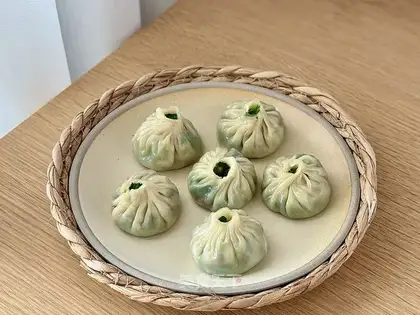
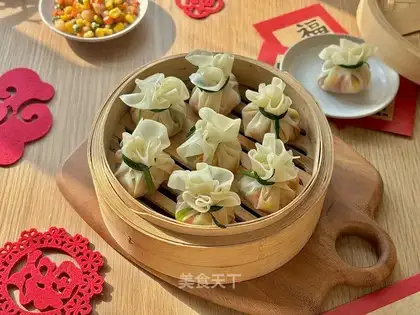
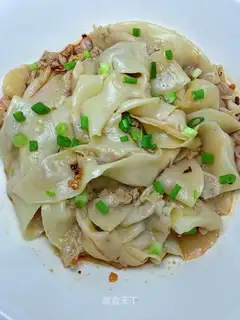
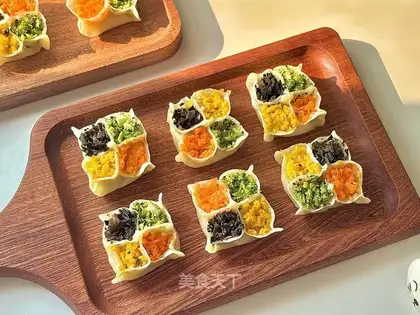
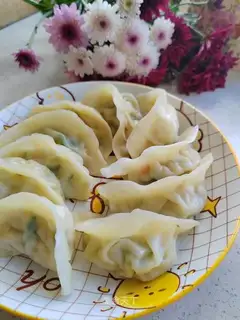
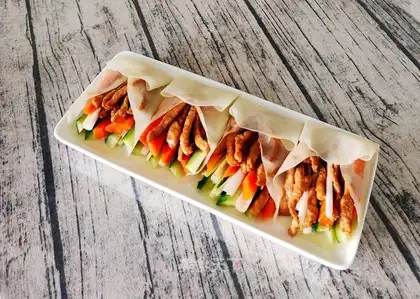
Dumplings, a cornerstone of culinary tradition across East Asia and beyond, are celebrated for their versatility, flavor, and cultural significance. At the heart of every dumpling lies its wrapper—a humble yet essential component that shapes not only the dish’s texture but also its nutritional profile. Made primarily from wheat flour, water, and salt, dumpling wrappers are a dietary staple for millions, offering a unique balance of carbohydrates, protein, and micronutrients. This article explores the nutritional value of dumpling wrappers, their health benefits, and important precautions to maximize their role in a balanced diet.
Nutritional Value of Dumpling Wrappers
The nutritional composition of dumpling wrappers varies slightly based on ingredients and preparation methods, but the classic version—made from refined wheat flour, water, and a pinch of salt—serves as a foundational source of energy and essential nutrients. A 100-gram serving of plain, uncooked dumpling wrappers (approximately 10–12 wrappers) typically contains:
- Carbohydrates: 70–75 grams, primarily starch, which provides the body’s primary energy source. Carbohydrates in dumpling wrappers are broken down into glucose, fueling brain function, muscle activity, and metabolic processes.
- Protein: 8–10 grams, a moderate amount that contributes to tissue repair, enzyme production, and immune function. While not as protein-rich as legumes or meat, dumpling wrappers complement fillings (such as pork, chicken, or tofu) to create a balanced protein profile.
- Dietary Fiber: 2–3 grams, though this decreases if refined flour is used. Whole wheat dumpling wrappers, made from 100% whole grains, can boost fiber content to 6–8 grams per 100 grams, aiding digestion and gut health.
- Micronutrients: Small but notable amounts of B vitamins (thiamin, riboflavin, niacin), iron, and magnesium. Refined flour loses some of these nutrients during processing, but fortification (common in commercial wrappers) can reintroduce iron and B vitamins. For example, iron supports oxygen transport in the blood, while B vitamins play critical roles in energy metabolism.
- Fat and Sodium: Minimal fat (0.5–1 gram per 100 grams), but sodium content may rise if salt is added during preparation or if store-bought wrappers contain preservatives. Excessive sodium can contribute to hypertension, so moderation is key.
Whole wheat or alternative wrappers (e.g., buckwheat, sweet potato) offer enhanced nutritional benefits. Buckwheat wrappers, for instance, are rich in rutin (an antioxidant) and have a lower glycemic index, making them suitable for blood sugar management. Sweet potato wrappers, made from purple or orange sweet potatoes, provide beta-carotene (a precursor to vitamin A) and additional fiber, enhancing both color and nutritional value.
Health Benefits of Dumpling Wrappers
When consumed as part of a balanced meal, dumpling wrappers offer several health benefits, particularly when paired with nutrient-dense fillings and cooking methods.
1. Sustained Energy Release
The complex carbohydrates in dumpling wrappers provide a slow, steady release of glucose, preventing energy crashes and maintaining stable blood sugar levels. This makes them an ideal choice for pre- or post-workout meals, as they replenish glycogen stores and support physical endurance.
2. Digestive Health Support
Whole wheat and fiber-rich dumpling wrappers promote healthy digestion by adding bulk to stool and feeding beneficial gut bacteria. Fiber also helps prevent constipation and supports a balanced microbiome, reducing the risk of digestive disorders like diverticulitis.
3. Nutrient Synergy with Fillings
Dumpling wrappers act as a vehicle for nutrient-rich fillings, creating a synergistic effect. For example:
- Vegetable fillings (e.g., cabbage, mushrooms, carrots) add fiber, vitamins (C, K), and antioxidants.
- Protein-rich fillings (e.g., lean meat, beans, eggs) provide essential amino acids for muscle maintenance and satiety.
- Healthy fats (e.g., sesame oil, avocado) from fillings enhance the absorption of fat-soluble vitamins (A, D, E, K) found in vegetables.
This combination ensures a balanced intake of macronutrients and micronutrients, making dumplings a wholesome meal when thoughtfully prepared.
4. Cultural and Psychological Well-being
Beyond nutrition, dumplings hold cultural significance, often prepared and shared during festivals and family gatherings. The act of making dumplings—from kneading dough to assembling fillings—can be a therapeutic, communal activity, reducing stress and fostering social connections. This psychological benefit, though less quantifiable, contributes to overall well-being.
Precautions and Considerations
While dumpling wrappers are nutritious, certain precautions must be taken to avoid potential health risks, particularly when consumed in excess or paired with unhealthy ingredients.
1. Portion Control and Calorie Density
Dumplings can be calorie-dense, especially when fried or filled with high-fat meats (e.g., pork belly) and cheeses. A single serving (10–12 dumplings) may contain 300–500 calories, depending on the filling and cooking method. Overconsumption can lead to weight gain, so it is advisable to pair dumplings with steamed vegetables or a light salad to increase volume and nutrient intake without excess calories.
2. Sodium Awareness
Commercial dumpling wrappers often contain added sodium to improve texture and shelf life. Excess sodium intake is linked to high blood pressure, heart disease, and stroke. To reduce sodium:
- Opt for homemade wrappers, where salt content can be controlled.
- Choose low-sodium fillings (e.g., lean chicken, tofu, and vegetables instead of processed meats).
- Limit soy sauce, vinegar, and other high-sodium condiments when serving.
3. Gluten Sensitivity and Celiac Disease
Traditional dumpling wrappers made from wheat flour contain gluten, a protein that triggers adverse reactions in individuals with celiac disease or non-celiac gluten sensitivity (NCGS). For those with gluten intolerance, alternative wrappers such as rice flour, cornstarch, or gluten-free blends (e.g., tapioca and xanthan gum) are suitable substitutes. Always check labels for certified gluten-free products to avoid cross-contamination.
4. Glycemic Index Considerations
Refined wheat dumpling wrappers have a moderate to high glycemic index (GI), meaning they can cause rapid spikes in blood sugar levels. This is a concern for individuals with diabetes or insulin resistance. To lower the GI:
- Use whole wheat or buckwheat wrappers, which are higher in fiber and digest more slowly.
- Pair dumplings with protein and healthy fats (e.g., a dipping sauce with peanut butter or tofu-based fillings) to slow glucose absorption.
5. Food Safety and Cooking Methods
Improper handling or cooking of dumplings can lead to foodborne illnesses. Key safety tips include:
- Thawing frozen dumplings in the refrigerator (not at room temperature) to prevent bacterial growth.
- Cooking dumplings thoroughly: boiling, steaming, or frying until the filling reaches 74°C (165°F) to kill harmful bacteria like Salmonella or E. coli.
- Avoiding raw dough, which may contain uncooked flour (a source of pathogens like E. coli).
Conclusion
Dumpling wrappers are more than a simple dough—they are a nutritional foundation that, when used mindfully, can contribute to a healthy and balanced diet. Their carbohydrate content provides sustained energy, while their versatility allows for pairing with nutrient-dense fillings to create a wholesome meal. However, moderation, ingredient awareness, and proper preparation are essential to reap their benefits without overindulging in calories, sodium, or gluten.
Whether enjoyed as a comforting family meal or a festive delicacy, dumplings exemplify how traditional foods can align with modern health goals. By choosing whole grain alternatives, controlling portion sizes, and prioritizing fresh, nutrient-rich fillings, we can savor the timeless appeal of dumplings while supporting our well-being. As with any food, the key lies in balance—celebrating cultural heritage while making informed choices for a healthier future.