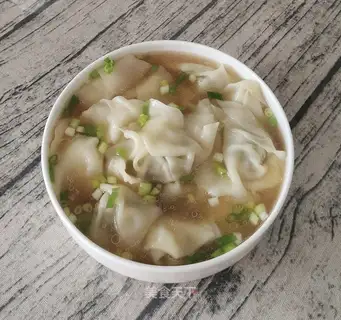
Wonton skin, the delicate, paper-thin wrapper enveloping savory fillings in wonton soup, dumplings, or stir-fries, is often dismissed as a mere vehicle for flavor. Yet, this humble ingredient, rooted in Chinese culinary tradition for over a century, carries its own nutritional profile, health benefits, and potential risks when consumed mindfully. Beyond its role in providing texture and structure, wonton skin—made from simple ingredients like flour, water, and salt—offers surprising nutritional value, aids in digestion and energy metabolism, and requires caution for those with specific dietary needs. This article delves into the nutritional composition, health benefits, and consumption considerations of wonton skin, shedding light on its place in a balanced diet.
Nutritional Profile: More Than Just Carbohydrates
At first glance, wonton skin appears straightforward: primarily refined wheat flour, water, and a pinch of salt. Its nutritional value, however, lies in its balance of macronutrients and micronutrients, which vary slightly based on preparation methods (e.g., fresh vs. dried, egg-added vs. plain).
Macronutrients: Energy and Structure
The dominant component of wonton skin is carbohydrates, accounting for approximately 70-80% of its dry weight. These carbohydrates are primarily starch, a complex carbohydrate that breaks down into glucose, providing the body with readily available energy. A 100-gram serving of dried wonton skin contains roughly 300-350 calories, with 60-70 grams of carbohydrates, 8-10 grams of protein, and minimal fat (1-2 grams). The protein content, though modest, is derived from wheat gluten, offering essential amino acids like lysine and methionine, which support muscle repair and enzyme function.
Wonton skin is also low in fiber (around 1-2 grams per 100 grams) due to its refined flour base. While this makes it easy to digest, it also means it lacks the slow-release energy benefits of whole grains. Some manufacturers add egg to the dough, boosting protein content to 10-12 grams per 100 grams and adding small amounts of healthy fats, such as omega-3 fatty acids from egg yolks.
Micronutrients: Trace Vitamins and Minerals
While not a powerhouse of micronutrients, wonton skin contains small but notable amounts of essential vitamins and minerals, particularly when enriched. Refined wheat flour is often fortified with B vitamins (thiamin, riboflavin, niacin), which play critical roles in energy metabolism and nervous system function. For example, thiamin (vitamin B1) helps convert carbohydrates into energy, while niacin supports skin health and DNA repair.
Egg-added wonton skin enhances its micronutrient profile, providing vitamin D (for bone health), vitamin B12 (for nerve function), and choline (for brain development). A 100-gram serving of egg-enriched wonton skin may contain 10-15% of the daily recommended intake (DRI) for vitamin D and 5-8% for vitamin B12. Additionally, the small amount of salt in wonton skin (around 100-200 mg per 100 grams) contributes to sodium intake, which is essential for fluid balance but must be monitored for those with hypertension.
Additives and Variations
Commercially produced wonton skin may include additives to improve texture and shelf life, such as potassium sorbate (a preservative) or artificial coloring. Fresh, homemade versions, by contrast, avoid these additives, making them a cleaner choice for health-conscious consumers. Some artisanal varieties also incorporate vegetable purees (e.g., spinach, carrot) to boost vitamin A and antioxidants, though these are less common.
Health Benefits: Digestibility, Energy, and Beyond
Wonton skin’s simple composition and delicate texture confer several health benefits, particularly when paired with nutrient-dense fillings like lean protein (shrimp, chicken), vegetables (mushrooms, bok choy), and herbs.
Easy Digestion and Gut Health
The refined flour in wonton skin makes it highly digestible, breaking down quickly in the gastrointestinal tract. This makes it an ideal food for individuals with sensitive digestive systems, such as children, the elderly, or those recovering from illness. Unlike whole grains, which contain more fiber and phytic acid (a compound that can hinder mineral absorption), wonton skin is gentle on the stomach and reduces the risk of bloating or discomfort.
When combined with fiber-rich fillings (e.g., vegetables, tofu), wonton skin can contribute to balanced digestion. The soluble fiber in vegetables slows the absorption of glucose from the wonton skin, preventing blood sugar spikes, while the insoluble fiber adds bulk to stool, promoting regularity.
Sustained Energy and Physical Performance
The carbohydrates in wonton skin provide a quick source of energy, making it a popular choice for pre- or post-workout meals. For athletes or active individuals, a bowl of wonton soup with lean protein and vegetables replenishes glycogen stores (the body’s stored form of glucose) and aids muscle recovery. The B vitamins in wonton skin further support energy production by helping the body metabolize carbohydrates, fats, and proteins efficiently.
Weight Management Support
In moderation, wonton skin can be part of a weight management plan. Its low calorie density (compared to heavier foods like bread or pasta) and ability to pair with low-calorie fillings make it a satisfying yet light option. A single wonton (with skin and filling) contains approximately 30-50 calories, allowing for a generous portion (e.g., 10-12 wontons) without excessive calorie intake. The protein in the filling also promotes satiety, reducing overall calorie consumption by curbing hunger.
Cultural and Psychological Benefits
Beyond nutrition, wonton skin holds cultural significance in Chinese cuisine, often associated with comfort and warmth. A steaming bowl of wonton soup is a staple in households during cold weather or illness, providing psychological comfort and hydration. The act of folding wontons—whether alone or with family—can also be a mindful, stress-reducing activity, contributing to mental well-being.
Consumption Considerations: Who Should Be Cautious?
While wonton skin offers several health benefits, it is not suitable for everyone. Certain dietary restrictions and health conditions require moderation or avoidance of this ingredient.
Gluten Sensitivity and Celiac Disease
Wonton skin is made from wheat flour, which contains gluten—a protein that triggers adverse reactions in individuals with celiac disease or non-celiac gluten sensitivity (NCGS). For these populations, consuming wonton skin can lead to symptoms such as bloating, diarrhea, abdominal pain, and long-term complications like nutrient malabsorption or intestinal damage. Gluten-free alternatives, such as wonton skins made from rice flour, tapioca starch, or potato starch, are available for those with gluten sensitivities.
Sodium Intake and Hypertension
The salt in wonton skin, combined with sodium-rich fillings (e.g., soy sauce, processed meats), can contribute to high sodium intake. The American Heart Association recommends limiting sodium to 2,300 mg per day, with an ideal limit of 1,500 mg for those with hypertension. A single serving of wonton soup (with 6-8 wontons) may contain 800-1,200 mg of sodium, primarily from the broth and wonton skin. Individuals with high blood pressure should opt for low-sodium broths, reduce salt in fillings, and limit portion sizes.
Blood Sugar Management
While the carbohydrates in wonton skin provide energy, refined flour can cause rapid spikes in blood sugar, particularly when consumed in large quantities or with high-glycemic fillings (e.g., sugary sauces). For individuals with diabetes or insulin resistance, moderation is key. Pairing wonton skin with fiber-rich vegetables, lean protein, and healthy fats (e.g., avocado or olive oil) can slow glucose absorption and stabilize blood sugar levels. Whole wheat wonton skins, though less common, offer more fiber and may be a better choice for blood sugar control.
Additives and Preservatives
Commercially produced wonton skin may contain additives like potassium sorbate, calcium propionate, or artificial coloring to extend shelf life and enhance appearance. While these additives are generally recognized as safe (GRAS) by the FDA, some individuals may experience sensitivities or prefer to avoid them. Fresh, homemade wonton skin is free of additives, making it a healthier option for those with chemical sensitivities or a preference for clean eating.
Calorie Density and Overconsumption
Though wonton skin is low in calories per wonton, it is easy to overconsume, especially in dishes like fried wontons or wonton chips. A single fried wonton (skin only) contains 50-70 calories, and a serving of 10-12 can add up to 500-700 calories, often with little nutritional benefit. To avoid excess calorie intake, opt for steamed or boiled wontons and limit high-fat toppings like creamy sauces or fried garlic.
Conclusion: A Balanced Perspective on Wonton Skin
Wonton skin, often overlooked in favor of its fillings, is a versatile ingredient with its own nutritional and health merits. Its digestibility, energy-boosting carbohydrates, and micronutrient content make it a valuable addition to a balanced diet, particularly when paired with nutrient-dense ingredients. However, it is not without caveats: gluten-sensitive individuals, those with hypertension, and people managing blood sugar must consume it cautiously, opting for alternatives or adjusting preparation methods to mitigate risks.
Ultimately, the key to enjoying wonton skin lies in moderation and mindful preparation. By choosing fresh, additive-free varieties, balancing it with fiber and protein, and being aware of dietary restrictions, individuals can savor this humble wrapper for its texture, flavor, and nutritional benefits. Whether in a steaming bowl of soup or a crispy appetizer, wonton skin reminds us that even the simplest ingredients can play a meaningful role in a healthy and delicious diet.