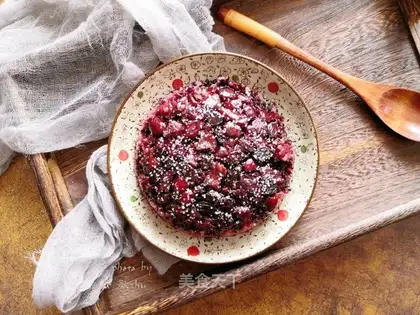
Black currants (Ribes nigrum) often hailed as the "king of berries" in some European countries, are small, dark purple-black fruits that pack an extraordinary nutritional punch. Native to northern Europe and Asia, these tart, flavorful berries have been used for centuries in traditional medicine for their therapeutic properties. Today, modern science is uncovering the science behind their health benefits, from boosting immunity to improving heart health. This article explores the nutritional profile of black currants, their evidence-based health benefits, potential side effects, and practical ways to incorporate them into a balanced diet.
Nutritional Profile: Why Black Currants Stand Out
Black currants are a nutritional treasure trove, boasting an impressive array of vitamins, minerals, antioxidants, and fiber. A 100-gram serving of fresh black currants (approximately one cup) contains:
- Vitamin C: A staggering 200 mg, more than twice the amount found in oranges and over 200% of the daily recommended intake (DRI). This potent antioxidant is crucial for immune function, skin health, and collagen synthesis.
- Vitamin K: Essential for blood clotting and bone metabolism, black currants provide about 15% of the DRI per 100 grams.
- Vitamin A (as beta-carotene): Important for vision, immune health, and cell growth.
- B Vitamins: Including B1 (thiamine), B6 (pyridoxine), and folate (B9), which play roles in energy metabolism and red blood cell production.
- Minerals: Rich in potassium (for blood pressure regulation), manganese (for antioxidant defense and bone health), iron (for oxygen transport), and calcium (for bone strength).
- Antioxidants: Black currants are loaded with anthocyanins (the pigments responsible for their dark color), flavonoids, and polyphenols, which combat oxidative stress and inflammation.
- Fiber: About 7 grams per 100 grams, aiding digestion and promoting gut health.
This unique combination of nutrients makes black currants a standout in the berry family, offering far more than just a sweet-tart flavor.
Health Benefits: Backed by Science
The nutrients in black currants contribute to a wide range of health benefits, supported by both traditional use and modern research.
1. Immune System Boost
Thanks to their sky-high vitamin C content, black currants are a natural immune booster. Vitamin C stimulates the production and function of white blood cells, which are the body’s primary defense against infections. Studies show that adequate vitamin C intake can reduce the duration and severity of colds and flu. Additionally, the anthocyanins in black currants have antimicrobial properties, further enhancing their ability to fight pathogens.
2. Heart Health Support
Heart disease is a leading global cause of death, but black currants may help lower risk factors. The potassium in black currants helps regulate blood pressure by balancing sodium levels and relaxing blood vessels. Meanwhile, anthocyanins improve blood vessel function (endothelial function) and reduce LDL ("bad") cholesterol oxidation, a key step in atherosclerosis (plaque buildup in arteries). A 2017 study published in the British Journal of Nutrition found that regular consumption of black currant extract improved arterial stiffness and blood flow in adults with metabolic risk factors.
3. Antioxidant and Anti-Inflammatory Properties
Chronic inflammation and oxidative stress are underlying causes of many chronic diseases, including cancer, diabetes, and neurodegenerative disorders. Black currants are rich in anthocyanins, which neutralize free radicals—unstable molecules that damage cells. Research indicates that these compounds may reduce inflammation markers such as C-reactive protein (CRP) and interleukin-6 (IL-6). For example, a 2020 study in Food & Function found that black currant polyphenols reduced oxidative stress and inflammation in human cells, suggesting potential protective effects against age-related diseases.
4. Brain Health and Cognitive Function
The antioxidants in black currants may also benefit brain health. Anthocyanins have been shown to cross the blood-brain barrier, reducing neuroinflammation and oxidative stress, which are linked to cognitive decline and conditions like Alzheimer’s disease. A 2019 review in Nutrients highlighted that regular berry consumption (including black currants) was associated with slower cognitive aging and improved memory in older adults.
5. Eye Health Protection
Black currants are particularly beneficial for eye health, thanks to their high content of anthocyanins and vitamin C. These compounds protect the eyes from oxidative damage caused by UV light and blue screen exposure. Research suggests that black currant extract may improve visual function, reduce eye fatigue, and lower the risk of age-related macular degeneration (AMD), a leading cause of vision loss. A 2016 study in Journal of Ocular Pharmacology and Therapeutics found that athletes taking black currant extract reported less eye strain and better contrast sensitivity.
6. Digestive Health
The fiber in black currants promotes healthy digestion by adding bulk to stool and supporting the growth of beneficial gut bacteria. Prebiotic fiber, in particular, feeds probiotics (good bacteria) in the gut, which enhances nutrient absorption, strengthens the gut barrier, and reduces inflammation. A healthy gut microbiome is also linked to improved mood, immunity, and metabolic health.
7. Diabetes Management
Black currants may help regulate blood sugar levels, making them a valuable addition to a diabetic diet. The fiber in black currants slows the absorption of sugar in the bloodstream, preventing spikes in blood glucose. Additionally, anthocyanins have been shown to improve insulin sensitivity, helping the body use glucose more effectively. A 2021 study in Journal of Agricultural and Food Chemistry found that black currant extract reduced blood sugar levels in diabetic rats, suggesting potential benefits for humans.
Potential Side Effects and Precautions
While black currants are generally safe for most people when consumed in moderation, there are a few precautions to keep in mind:
1. Blood Thinning Effects
Black currants contain vitamin K, which plays a key role in blood clotting. Individuals taking blood-thinning medications (e.g., warfarin) should maintain consistent vitamin K intake to avoid interactions. It’s advisable to consult a healthcare provider before consuming large amounts of black currants if on such medication.
2. Kidney Stones
Black currants are moderately high in oxalates, compounds that can contribute to kidney stone formation in susceptible individuals. Those with a history of calcium oxalate kidney stones should limit their intake and stay well-hydrated.
3. Allergic Reactions
While rare, some people may be allergic to black currants, especially those with a history of berry allergies or pollen allergies (oral allergy syndrome). Symptoms may include itching, swelling, or hives. If you experience a reaction, discontinue use and seek medical attention.
4. Pregnancy and Breastfeeding
Pregnant and breastfeeding women should consume black currants in moderation. While there is no strong evidence of harm, excessive intake is not recommended due to limited safety data.
5. Blood Sugar Concerns
Although black currants may help regulate blood sugar, individuals with diabetes should monitor their levels closely when adding them to their diet, especially if consuming concentrated forms like juice or supplements.
How to Incorporate Black Currants into Your Diet
Black currants are versatile and can be enjoyed in many forms: fresh, frozen, dried, juiced, or as supplements. Here are some practical ways to include them in your meals:
- Fresh or Frozen: Add fresh or frozen black currants to smoothies, yogurt, oatmeal, or salads for a burst of flavor and nutrients.
- Jams and Jellies: Homemade black currant jam is a great way to preserve their benefits, but be mindful of added sugars.
- Teas and Infusions: Dried black currants can be steeped in hot water to make a healthy, antioxidant-rich tea.
- Juices and Smoothies: Black currant juice (unsweetened) can be mixed with other fruits or vegetables for a nutrient-packed drink.
- Baking: Use black currants in muffins, cakes, or pies for a tart twist.
- Supplements: Black currant extract capsules or powders are available for those who cannot find fresh berries, but choose reputable brands to ensure quality.
Conclusion
Black currants are a nutritional powerhouse, offering an exceptional range of vitamins, minerals, and antioxidants that support immune health, heart function, brain health, and more. Their anti-inflammatory and blood-sugar-regulating properties make them a valuable addition to a balanced diet, especially for those looking to prevent chronic diseases. While generally safe, it’s important to consume them in moderation and be mindful of potential interactions, particularly for individuals on blood thinners or with kidney issues. Whether enjoyed fresh, frozen, or as a supplement, black currants are a delicious and effective way to boost overall health and well-being. As research continues to uncover their benefits, these humble berries are poised to take their place as a superfood in the global spotlight.