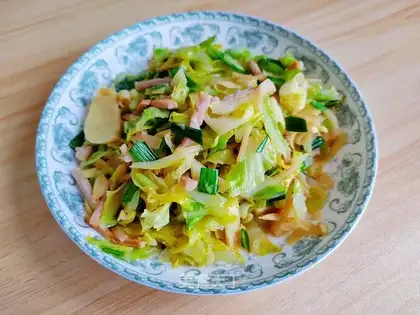
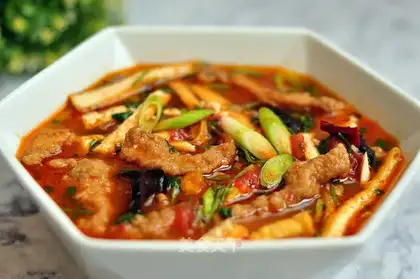
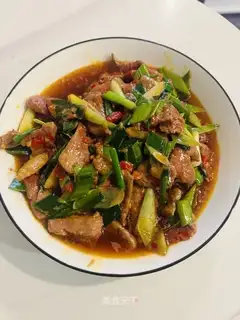
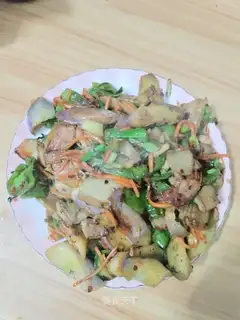
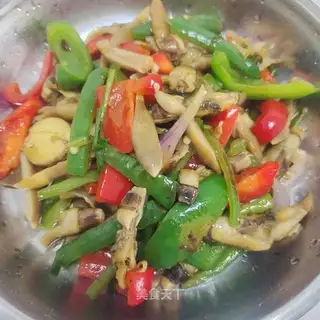
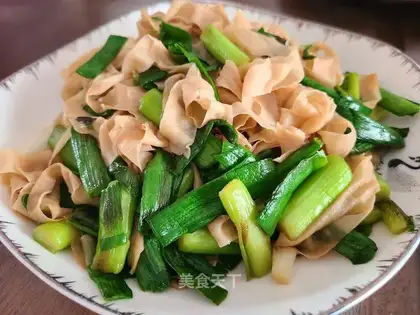
Garlic scallions, known as cong in Mandarin or pa in Cantonese, are a staple in Asian cuisines and increasingly popular worldwide. These slender, green stalks with tender white bases and delicate leaves are not just a flavorful addition to dishes—they are a nutritional powerhouse packed with vitamins, minerals, and bioactive compounds. With a milder, sweeter taste than mature garlic bulbs, garlic scallions bridge the gap between pungent garlic and mild onions, offering versatility in cooking while delivering remarkable health benefits. This article explores the nutritional profile of garlic scallions, their evidence-based health benefits, and important precautions to maximize their safety and efficacy.
I. Nutritional Profile of Garlic Scallions
Garlic scallions belong to the Allium family, alongside garlic, onions, and leeks. Their nutritional composition is a unique blend of macronutrients, micronutrients, and phytochemicals that contribute to their health-promoting properties.
1. Macronutrients
A 100-gram serving of raw garlic scallions (about 1 cup, chopped) contains approximately:
- Calories: 32 kcal, making them a low-calorie, nutrient-dense food.
- Carbohydrates: 7.3 grams, including 2.5 grams of fiber (10% of the daily value, DV) and 2.5 grams of natural sugars. The fiber aids digestion and promotes gut health.
- Protein: 1.8 grams, a modest amount contributing to daily protein needs.
- Fat: 0.4 grams, primarily heart-healthy unsaturated fats.
2. Micronutrients
Garlic scallions are rich in essential vitamins and minerals:
- Vitamin K: 207 micrograms (259% DV), critical for blood clotting and bone metabolism.
- Vitamin C: 18.8 milligrams (31% DV), a powerful antioxidant that supports immune function and skin health.
- Vitamin A: 996 international units (20% DV), in the form of beta-carotene, which is vital for vision, immune health, and cell growth.
- Folate (Vitamin B9): 64 micrograms (16% DV), essential for DNA synthesis and cell division, particularly important during pregnancy.
- Iron: 1.5 milligrams (8% DV), necessary for oxygen transport and red blood cell production.
- Potassium: 233 milligrams (5% DV), which helps regulate blood pressure and fluid balance.
3. Phytochemicals and Bioactive Compounds
The true power of garlic scallions lies in their phytochemicals, particularly sulfur-containing compounds and antioxidants:
- Allicin: Though more abundant in mature garlic, garlic scallions contain allicin precursors (alliin). When chopped or crushed,alliin converts to allicin via the enzyme alliinase, exhibiting antimicrobial, anti-inflammatory, and cholesterol-lowering properties.
- Flavonoids: Quercetin and kaempferol, potent antioxidants that combat oxidative stress and reduce inflammation.
- Sulfur Volatiles: Compounds like diallyl sulfide and diallyl disulfide, which support cardiovascular health and detoxification pathways.
II. Evidence-Based Health Benefits of Garlic Scallions
Regular consumption of garlic scallions is associated with numerous health benefits, backed by scientific research.
1. Supports Immune Function
Garlic scallions are a rich source of vitamin C and allicin, both of which enhance immune defense. Vitamin C stimulates the production and function of white blood cells, while allicin has been shown to have antiviral and antibacterial effects. A study published in the Journal of Antimicrobial Chemotherapy found that allicin could inhibit the growth of pathogenic bacteria, including Escherichia coli and Staphylococcus aureus. Additionally, the vitamin A content helps maintain mucosal barriers in the respiratory and digestive tracts, reducing infection risk.
2. Promotes Heart Health
The sulfur compounds in garlic scallions contribute to cardiovascular health by multiple mechanisms:
- Lowers Cholesterol: Diallyl disulfide has been shown to reduce LDL (“bad”) cholesterol and triglyceride levels while increasing HDL (“good”) cholesterol. A meta-analysis in The American Journal of Clinical Nutrition confirmed that regular Allium vegetable intake significantly lowers total cholesterol.
- Reduces Blood Pressure: Allicin and flavonoids help relax blood vessels by inhibiting angiotensin-converting enzyme (ACE), a key player in hypertension. A 2020 study in Phytomedicine found that garlic extract supplementation reduced systolic blood pressure by 5–8 mmHg in hypertensive individuals.
- Prevents Atherosclerosis: Antioxidants like quercetin reduce oxidative damage to LDL particles, preventing plaque buildup in arteries.
3. Enhances Digestive Health
Garlic scallions are high in inulin, a prebiotic fiber that feeds beneficial gut bacteria. A healthy gut microbiome is linked to improved digestion, reduced inflammation, and enhanced immunity. Additionally, allicin’s antimicrobial properties help balance gut flora by inhibiting harmful pathogens like Clostridium difficile. The fiber content also promotes regular bowel movements and prevents constipation.
4. Anti-Cancer Properties
Epidemiological studies suggest that regular Allium vegetable consumption is associated with a reduced risk of certain cancers, particularly gastric and colorectal cancers. The organosulfur compounds in garlic scallions induce apoptosis (programmed cell death) in cancer cells and inhibit tumor angiogenesis (the formation of new blood vessels that feed tumors). A 2019 review in Cancer Prevention Research highlighted that diallyl sulfide suppresses the growth of colon cancer cells by modulating cell cycle pathways.
5. Anti-Inflammatory and Antioxidant Effects
Chronic inflammation and oxidative stress are underlying factors in many chronic diseases, including diabetes, arthritis, and neurodegenerative disorders. Garlic scallions are rich in quercetin and vitamin C, which neutralize free radicals and reduce pro-inflammatory cytokines. A study in Food & Function found that quercetin from garlic scallions inhibited the production of nitric oxide and interleukin-6 (IL-6), markers of inflammation.
6. Supports Bone Health
The high vitamin K content in garlic scallions plays a crucial role in bone metabolism. Vitamin K activates osteocalcin, a protein that binds calcium to bones, reducing the risk of fractures. A 2017 study in Osteoporosis International linked higher vitamin K intake to a 20–30% lower risk of hip fractures in older adults.
7. Regulates Blood Sugar
Garlic scallions may help manage blood sugar levels by improving insulin sensitivity. Allicin has been shown to enhance glucose uptake in cells and reduce gluconeogenesis (glucose production) in the liver. A 2021 animal study in Journal of Ethnopharmacology found that garlic extract reduced fasting blood sugar by 25% in diabetic rats.
III. Precautions and Potential Side Effects
While garlic scallions are generally safe for most people, certain precautions should be taken to avoid adverse effects.
1. Digestive Discomfort
Garlic scallions contain fructans, a type of FODMAP (fermentable oligosaccharides, disaccharides, monosaccharides, and polyols) that can cause bloating, gas, and diarrhea in individuals with irritable bowel syndrome (IBS) or sensitive digestive systems. Cooking garlic scallions can reduce their FODMAP content and minimize symptoms.
2. Drug Interactions
Garlic scallions may interact with certain medications due to their blood-thinning properties:
- Anticoagulants: Coumadin (warfarin) and antiplatelet drugs (e.g., aspirin) may have enhanced effects when combined with garlic, increasing the risk of bleeding. Individuals taking these medications should consult their doctor before consuming large amounts of garlic scallions.
- Hypertension Drugs: Garlic’s blood pressure-lowering effects may potentiate the effects of antihypertensive medications, leading to excessively low blood pressure.
3. Allergic Reactions
Though rare, some people may be allergic to garlic scallions, experiencing symptoms like skin rashes, hives, or difficulty breathing. Individuals with a known allergy to other Allium vegetables (e.g., onions, garlic) should avoid garlic scallions.
4. Risk of Contamination
Raw garlic scallions have been linked to foodborne illness outbreaks, particularly due to E. coli and Salmonella contamination. To reduce risk:
- Wash thoroughly under running water before use.
- Avoid consuming raw garlic scallions from questionable sources.
- Cook garlic scallions thoroughly when serving immunocompromised individuals (e.g., pregnant women, elderly people).
5. Pregnancy and Breastfeeding
While moderate consumption of garlic scallions is safe, excessive intake (e.g., large supplements) may increase the risk of bleeding during delivery. Pregnant and breastfeeding women should consult their healthcare provider before consuming large amounts.
IV. Culinary Uses and Tips for Incorporating Garlic Scallions
Garlic scallions are incredibly versatile in the kitchen. Here are some ways to incorporate them into your diet:
- Raw: Chop finely and add to salads, salsas, or dips (e.g., guacamole) for a mild garlic flavor.
- Cooked: Stir-fry with vegetables, meats, or tofu; add to soups, stews, or noodle dishes; or use as a garnish for soups and rice.
- Pickled: Marinate in vinegar, soy sauce, and sugar for a tangy condiment that pairs well with grilled meats.
- Infused Oils: Steep garlic scallions in olive oil or sesame oil to add flavor to dressings or drizzles.
To maximize nutrient retention, add garlic scallions toward the end of cooking, as heat can degrade heat-sensitive vitamins like vitamin C and allicin.
Conclusion
Garlic scallions are more than just a flavorful herb—they are a nutritional and medicinal powerhouse. Rich in vitamins, minerals, and bioactive compounds, they offer a wide range of health benefits, from boosting immunity and heart health to reducing inflammation and supporting bone strength. While generally safe, mindful consumption is key for individuals with digestive sensitivities, those on blood-thinning medications, or those at risk of foodborne illness. By incorporating garlic scallions into a balanced diet, you can enhance both the flavor of your meals and your overall well-being. As the saying goes, “Let food be thy medicine”—and garlic scallions are a perfect example of this principle in action.