Bok choy, also known as Chinese cabbage or pak choi, is a leafy green vegetable that has been a staple in East Asian cuisine for centuries. With its crisp stalks, dark green leaves, and mild, slightly peppery flavor, bok choy has transcended cultural boundaries to become a popular ingredient in global households. Beyond its culinary appeal, this humble vegetable is a nutritional powerhouse, packed with vitamins, minerals, antioxidants, and bioactive compounds that offer a myriad of health benefits. However, like all foods, bok choy should be consumed in moderation and with awareness of potential precautions. This article explores the nutritional profile, health benefits, and dietary considerations of bok choy, shedding light on why it deserves a place in a balanced diet.
Nutritional Profile: A Treasure Trove of Essential Nutrients
Bok choy belongs to the Brassica rapa species, alongside other cruciferous vegetables like kale, broccoli, and cabbage. Its nutritional composition is both diverse and dense, making it an excellent choice for those seeking to boost their intake of essential nutrients without adding significant calories. A 100-gram serving of raw bok choy contains approximately:
- Calories: 13 kcal
- Protein: 1.5 grams
- Carbohydrates: 2.2 grams (including 1.3 grams of fiber)
- Fat: 0.2 grams
- Vitamins:
- Vitamin K (59% of the Daily Value, DV): Crucial for blood clotting and bone health.
- Vitamin C (54% DV): A powerful antioxidant that supports immune function and collagen synthesis.
- Vitamin A (35% DV, as beta-carotene): Essential for vision, immune health, and cell growth.
- Folate (10% DV): Important for DNA synthesis and fetal development.
- Minerals:
- Calcium (8% DV): Supports bone and teeth health, though absorption is enhanced when consumed with vitamin C.
- Potassium (7% DV): Helps regulate blood pressure and fluid balance.
- Manganese (5% DV): A cofactor for enzymes involved in metabolism and antioxidant defense.
- Phytochemicals: Glucosinolates (which break down into beneficial compounds like sulforaphane), flavonoids, and beta-carotene.
What sets bok choy apart from other leafy greens is its balanced ratio of nutrients: it provides significant amounts of vitamins and minerals while being low in calories and carbohydrates. This makes it an ideal food for weight management, blood sugar control, and overall wellness.
Health Benefits: From Disease Prevention to Immune Support
The combination of vitamins, minerals, and phytochemicals in bok choy contributes to a range of health benefits, backed by scientific research.
1. Rich in Antioxidants, Reducing Chronic Disease Risk
Bok choy is loaded with antioxidants, including vitamin C, beta-carotene, and flavonoids, which neutralize harmful free radicals—unstable molecules that can damage cells and contribute to chronic diseases like cancer, heart disease, and diabetes. Sulforaphane, a compound derived from glucosinolates in bok choy, has been shown to have potent anti-inflammatory and anticancer properties. Studies suggest that sulforaphane inhibits the growth of cancer cells, particularly in the colon, breast, and prostate, by promoting apoptosis (programmed cell death) and blocking tumor angiogenesis (the formation of new blood vessels that feed tumors).
2. Supports Bone Health
Vitamin K is the star nutrient for bone health, and bok choy is one of the best plant-based sources of this vitamin. Vitamin K activates osteocalcin, a protein that binds calcium to bones, enhancing their density and strength. Combined with calcium (present in bok choy) and vitamin C (which aids calcium absorption), regular consumption of bok choy may help prevent osteoporosis, especially in postmenopausal women who are at higher risk of bone loss.
3. Boosts Immune Function
Vitamin C is well-known for its immune-boosting properties, and bok choy provides over half the DV in just a 100-gram serving. Vitamin C stimulates the production and function of white blood cells, which are critical for fighting infections. Additionally, its anti-inflammatory effects help reduce the severity of colds and other respiratory illnesses. A study published in the Annals of Nutrition & Metabolism found that adequate vitamin C intake is associated with a reduced risk of developing chronic diseases, including cardiovascular disease and certain cancers.
4. Promotes Heart Health
Bok choy contributes to heart health through multiple mechanisms. Its potassium content helps regulate blood pressure by counteracting the effects of sodium, a key factor in hypertension. Fiber, present in bok choy, lowers LDL (“bad”) cholesterol levels by binding to bile acids in the digestive system and promoting their excretion. Furthermore, the antioxidants in bok choy reduce oxidative stress in blood vessels, preventing the buildup of plaque (atherosclerosis) that can lead to heart attacks and strokes.
5. Aids in Digestive Health
With 1.3 grams of fiber per 100 grams, bok choy supports a healthy digestive system. Fiber adds bulk to stool, preventing constipation and promoting regular bowel movements. It also acts as a prebiotic, feeding beneficial gut bacteria like Lactobacillus and Bifidobacterium, which are essential for gut microbiome balance. A healthy gut microbiome is linked to improved immunity, better mood, and reduced risk of digestive disorders like irritable bowel syndrome (IBS).
6. Supports Weight Management
Bok choy is a low-calorie, high-nutrient food that can help with weight loss and maintenance. Its fiber content promotes satiety, reducing overall calorie intake by making you feel full longer. Additionally, its high water content (over 90%) adds volume to meals without adding calories, making it an excellent choice for those looking to reduce calorie consumption without sacrificing nutrition.
Culinary Versatility: How to Incorporate Bok Choy into Your Diet
Bok choy’s mild flavor and crisp texture make it incredibly versatile in the kitchen. It can be eaten raw in salads, stir-fried, steamed, braised, or added to soups and stews. Here are a few popular ways to enjoy it:
- Stir-fries: Bok choy cooks quickly, making it perfect for stir-fries with garlic, ginger, and lean proteins like chicken or tofu.
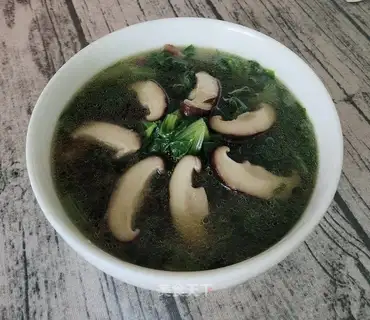
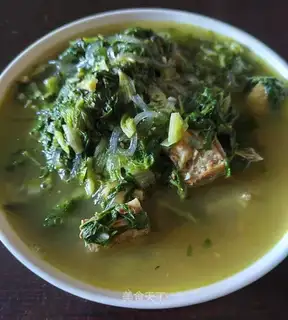
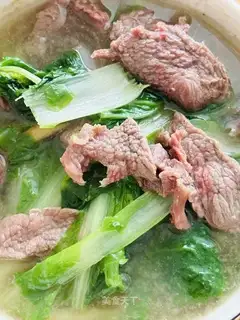
- Soups: Add bok choy to miso soup, ramen, or vegetable broths for a nutrient boost.
- Steamed or Sautéed: Lightly steaming or sautéing bok choy preserves its nutrients and crispness. A drizzle of soy sauce or sesame oil enhances its flavor.
- Salads: Young bok choy leaves can be used in salads for a crunchy texture, similar to romaine or spinach.
To maximize nutrient retention, avoid overcooking bok choy. Steaming or stir-frying for 2-3 minutes is ideal, as prolonged cooking can degrade heat-sensitive vitamins like vitamin C.
Precautions and Potential Side Effects
While bok choy is generally safe for most people, there are a few precautions to keep in mind:
1. Goitrogenic Effects
Bok choy, like other cruciferous vegetables, contains goitrogens—compounds that can interfere with thyroid function by inhibiting the uptake of iodine. People with iodine deficiency or pre-existing thyroid conditions (e.g., hypothyroidism) should consume bok choy in moderation. Cooking bok choy reduces its goitrogen content, making it safer for those with thyroid issues.
2. Blood Thinning
Bok choy is high in vitamin K, which plays a key role in blood clotting. Individuals taking anticoagulant medications like warfarin (Coumadin) should maintain a consistent intake of vitamin K to avoid interactions. Sudden increases or decreases in vitamin K-rich foods can affect the medication’s efficacy.
3. Pesticide Residues
Conventionally grown bok choy may contain pesticide residues. To minimize exposure, choose organic bok choy when possible, or wash it thoroughly under running water before consumption. Soaking bok choy in a solution of water and vinegar (1:10 ratio) for 10-15 minutes can further reduce pesticide residues.
4. Allergic Reactions
Although rare, some people may be allergic to bok choy, experiencing symptoms like itching, swelling, or digestive discomfort. Those with known allergies to other cruciferous vegetables should exercise caution.
Conclusion
Bok choy is a nutritional powerhouse that offers a wide range of health benefits, from reducing chronic disease risk to supporting bone, immune, and digestive health. Its versatility in cooking makes it easy to incorporate into a balanced diet, whether raw, stir-fried, or steamed. However, like all foods, it should be consumed in moderation, especially by individuals with thyroid issues or those taking blood-thinning medications. By understanding its nutritional profile and precautions, anyone can harness the power of bok choy to enhance their overall well-being. In a world where processed foods often dominate, bok choy stands out as a simple, affordable, and delicious way to prioritize health—one leaf at a time.