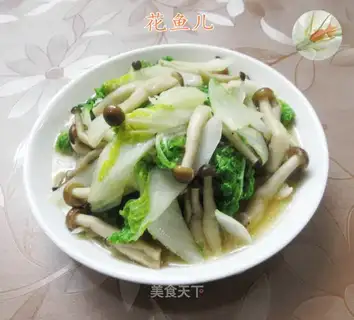
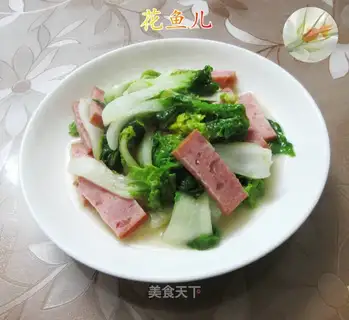
In the diverse world of leafy green vegetables, yellow heart cabbage (also known as yellow cabbage or savoy cabbage with a yellow core) stands out as a nutritional powerhouse and culinary delight. With its vibrant yellow-green outer leaves and a compact, tender yellow heart, this vegetable not only adds color to plates but also offers a wealth of health benefits. Praised for its versatility in cooking, mild flavor, and impressive nutrient profile, yellow heart cabbage has been a staple in traditional diets for centuries. Today, modern science continues to validate its role in promoting wellness, from boosting immunity to supporting digestive health. However, like all foods, it must be consumed mindfully to avoid potential side effects. This article explores the nutritional value, health benefits, and precautions associated with yellow heart cabbage, providing a comprehensive guide for incorporating this golden gem into a balanced diet.
Nutritional Value: A Treasure Trove of Essential Nutrients
Yellow heart cabbage belongs to the Brassica family, which also includes broccoli, kale, and Brussels sprouts. What sets it apart is its unique combination of vitamins, minerals, antioxidants, and dietary fiber, all while being low in calories. A 100-gram serving of raw yellow heart cabbage contains approximately:
- Vitamins: It is an exceptional source of vitamin C (providing around 60% of the daily recommended intake), a potent antioxidant that supports immune function, skin health, and collagen synthesis. Additionally, it is rich in vitamin K (essential for blood clotting and bone health), vitamin A (in the form of beta-carotene, which promotes vision and cell growth), and folate (B9), crucial for DNA synthesis and fetal development during pregnancy.
- Minerals: The vegetable provides a good dose of potassium, which regulates blood pressure and fluid balance, and manganese, a cofactor for enzymes involved in metabolism and antioxidant defense. It also contains smaller amounts of calcium, iron, and magnesium, contributing to bone strength and oxygen transport.
- Antioxidants: Yellow heart cabbage is packed with phytochemicals like glucosinolates (which break down into compounds with anti-inflammatory properties), flavonoids (such as quercetin and kaempferol), and carotenoids (including lutein and zeaxanthin). These compounds combat oxidative stress, reducing the risk of chronic diseases.
- Dietary Fiber: With about 2.5 grams of fiber per 100 grams, yellow heart cabbage aids digestion, promotes satiety, and helps maintain stable blood sugar levels. The fiber also acts as a prebiotic, feeding beneficial gut bacteria.
Unlike its green counterparts, yellow heart cabbage’s yellow heart indicates higher concentrations of carotenoids, particularly beta-carotene, which gives it a mild, slightly sweet flavor and enhances its nutritional appeal.
Health Benefits: From Disease Prevention to Wellness Enhancement
The nutrient density of yellow heart cabbage translates into a wide range of health benefits, backed by both traditional use and scientific research.
1. Boosts Immune Function
Vitamin C is the star player in yellow heart cabbage’s immune-boosting properties. It stimulates the production and activity of white blood cells, the body’s primary defense against pathogens. Studies show that regular vitamin C intake can reduce the duration and severity of respiratory infections, such as the common cold. Additionally, the vegetable’s antioxidants, such as quercetin, modulate immune responses, preventing excessive inflammation that can lead to chronic conditions.
2. Supports Digestive Health
The high fiber content in yellow heart cabbage promotes regular bowel movements and prevents constipation. Soluble fiber forms a gel-like substance in the gut, which slows digestion and helps regulate blood sugar, while insoluble fiber adds bulk to stool, supporting overall gut motility. Moreover, the glucosinolates in cabbage break down into sulforaphane, a compound that has been shown to protect the intestinal lining and reduce the risk of gastrointestinal disorders, including ulcers and colorectal cancer.
3. Reduces Chronic Disease Risk
Antioxidants in yellow heart cabbage play a pivotal role in neutralizing free radicals, unstable molecules that can damage cells and contribute to aging and diseases like cancer, heart disease, and diabetes. For instance:
- Cancer Prevention: Sulforaphane, derived from glucosinolates, has been extensively studied for its anti-cancer properties. It inhibits the growth of cancer cells, particularly in the breast, prostate, and colon, by inducing apoptosis (programmed cell death) and blocking tumor angiogenesis (the formation of blood vessels that feed tumors).
- Heart Health: The potassium in yellow heart cabbage helps lower blood pressure by counteracting the effects of sodium. Fiber also reduces LDL (“bad”) cholesterol levels, while flavonoids improve blood vessel elasticity, reducing the risk of atherosclerosis and heart attacks.
- Diabetes Management: The vegetable’s low glycemic index (GI) and high fiber content make it an ideal food for people with diabetes. Fiber slows the absorption of sugar in the bloodstream, preventing spikes in blood glucose levels.
4. Enhances Bone and Eye Health
Vitamin K is critical for bone metabolism, as it activates proteins that regulate calcium deposition in bones. Adequate vitamin K intake reduces the risk of osteoporosis and fractures. Similarly, the lutein and zeaxanthin in yellow heart cabbage accumulate in the retina, protecting against age-related macular degeneration (AMD) and cataracts by filtering harmful blue light and reducing oxidative stress in eye tissues.
5. Aids Weight Management
With only 25 calories per 100 grams, yellow heart cabbage is a low-energy-dense food that can be consumed in large volumes without exceeding daily calorie goals. Its high fiber and water content promote satiety, reducing overall calorie intake. Incorporating it into meals, such as salads, stir-fries, or soups, can help individuals maintain a healthy weight while meeting nutritional needs.
Precautions and Potential Side Effects
While yellow heart cabbage is highly nutritious, certain precautions must be taken to avoid adverse effects, particularly for individuals with specific health conditions.
1. Goitrogenic Effects
Like other cruciferous vegetables, yellow heart cabbage contains goitrogens—compounds that can interfere with thyroid function by inhibiting the uptake of iodine. In individuals with iodine deficiency or pre-existing thyroid disorders (e.g., hypothyroidism), excessive consumption may exacerbate thyroid dysfunction. Cooking the cabbage significantly reduces goitrogen levels, making it safer for regular consumption. Moderate intake (1–2 servings per week) is generally safe for most people, including those with mild thyroid issues.
2. Digestive Discomfort
The high fiber content in yellow heart cabbage can cause bloating, gas, or abdominal pain, especially in individuals who are not used to a high-fiber diet or those with irritable bowel syndrome (IBS). To minimize discomfort, introduce cabbage gradually into your diet and ensure it is cooked thoroughly. Soaking raw cabbage in water for 30 minutes before eating can also reduce its gas-producing effects.
3. Blood Thinning Interaction
Yellow heart cabbage is rich in vitamin K, which plays a key role in blood clotting. Individuals taking anticoagulant medications, such as warfarin, must maintain consistent vitamin K intake to avoid drug interactions. Sudden increases in cabbage consumption can counteract the effects of blood thinners, increasing the risk of blood clots. It is advisable for such individuals to consult a healthcare provider before incorporating large amounts of cabbage into their diet.
4. Pesticide Residues
Conventionally grown cabbage may contain pesticide residues, which can pose health risks with long-term exposure. To minimize exposure, opt for organic yellow heart cabbage when possible, or thoroughly wash it under running water and use a vegetable brush to remove dirt and residues. Peeling the outer leaves can further reduce pesticide levels.
5. Allergic Reactions
While rare, some individuals may be allergic to cruciferous vegetables, causing symptoms such as skin rashes, itching, or difficulty breathing. If you experience an allergic reaction after consuming yellow heart cabbage, discontinue use and seek medical attention.
Conclusion: A Golden Addition to a Healthy Diet
Yellow heart cabbage is a nutritional powerhouse that offers a myriad of health benefits, from boosting immunity and supporting digestion to reducing the risk of chronic diseases. Its versatility in cooking—whether steamed, sautéed, fermented into sauerkraut, or added to raw salads—makes it an easy and delicious addition to any meal. However, mindful consumption is key: individuals with thyroid issues, those on blood thinners, or those prone to digestive discomfort should take precautions, such as cooking it thoroughly and moderating intake.
By incorporating yellow heart cabbage into a balanced diet, you can harness its golden goodness to enhance overall health and well-being. As the saying goes, “let food be thy medicine,” and yellow heart cabbage is a shining example of how a simple vegetable can be a cornerstone of a healthy lifestyle.