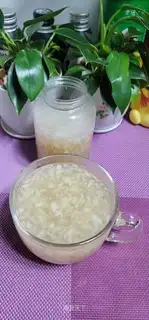
Water chestnut powder, derived from the dried, ground corms of the water chestnut plant (Eleocharis dulcis), is a traditional ingredient widely used in Asian cuisine, particularly in China, where it has been cherished for centuries for its unique texture, mild flavor, and purported health benefits. As a gluten-free, nutrient-dense starch, it has gained global recognition as a versatile ingredient in both sweet and savory dishes. This article explores the nutritional profile of water chestnut powder, its diverse health benefits, and important dietary precautions to ensure safe and optimal consumption.
Nutritional Profile of Water Chestnut Powder
Water chestnut powder is primarily composed of carbohydrates, making it an excellent energy source, but it also contains a range of essential vitamins, minerals, and bioactive compounds that contribute to its nutritional value.
Macronutrients
- Carbohydrates: The powder is rich in complex carbohydrates, primarily starch, which provides sustained energy without causing rapid spikes in blood sugar. A 100-gram serving of water chestnut powder contains approximately 80–85 grams of carbohydrates, with negligible amounts of protein (around 2–3 grams) and fat (less than 1 gram).
- Dietary Fiber: It contains a moderate amount of dietary fiber (5–7 grams per 100 grams), which aids digestion, promotes satiety, and supports gut health.
Micronutrients
Water chestnut powder is a good source of several essential minerals and vitamins, including:
- Potassium: A critical electrolyte for regulating blood pressure, fluid balance, and muscle function. A 100-gram serving provides about 500–600 milligrams of potassium.
- Manganese: Plays a key role in bone formation, metabolism, and antioxidant defense.
- Copper: Supports iron absorption, immune function, and collagen production.
- Vitamin B6: Essential for energy metabolism and nervous system health.
- Riboflavin (B2): Important for energy production and maintaining healthy skin and eyes.
Bioactive Compounds
One of the most notable components of water chestnut powder is its high content of polyphenols and antioxidants, such as ferulic acid and catechins. These compounds help neutralize harmful free radicals, reduce oxidative stress, and lower the risk of chronic diseases. Additionally, water chestnuts contain resistant starch, a type of fiber that acts as a prebiotic, feeding beneficial gut bacteria and improving digestive health.
Health Benefits of Water Chestnut Powder
The combination of its nutritional and bioactive compounds gives water chestnut powder a range of health benefits, from supporting digestion to boosting immunity.
1. Promotes Digestive Health
Water chestnut powder is rich in dietary fiber and resistant starch, which promote regular bowel movements and prevent constipation. The resistant starch in water chestnuts is fermented by gut bacteria to produce short-chain fatty acids (SCFAs), such as butyrate, which nourish the colon lining, reduce inflammation, and lower the risk of colorectal cancer. Its mild, soothing properties also make it beneficial for individuals with sensitive stomachs or digestive disorders like gastritis.
2. Supports Weight Management
As a low-calorie, high-fiber food, water chestnut powder can aid in weight management. The fiber increases satiety, reducing overall calorie intake by curbing hunger. Additionally, its complex carbohydrates provide steady energy, preventing the crashes and cravings associated with refined sugars. For example, replacing refined flour with water chestnut powder in dishes like cakes or dumplings can lower the calorie density while increasing fiber content.
3. Regulates Blood Sugar Levels
The low glycemic index (GI) of water chestnut powder (around 55–60) makes it a suitable carbohydrate source for individuals with diabetes or those aiming to control blood sugar. The resistant starch in water chestnuts slows down the digestion and absorption of glucose, preventing sharp spikes in blood sugar levels after meals. Studies suggest that regular consumption of resistant starch-rich foods may improve insulin sensitivity over time.
4. Boosts Immune Function
Water chestnut powder contains several immune-boosting nutrients, including vitamin C (though in smaller amounts than fresh water chestnuts), copper, and antioxidants. These compounds enhance the production of white blood cells, protect cells from oxidative damage, and reduce inflammation. Additionally, the prebiotic fibers in water chestnut powder support a healthy gut microbiome, which plays a crucial role in immune defense.
5. Enhances Skin Health
The antioxidants in water chestnut powder, such as ferulic acid and catechins, help protect the skin from UV damage and premature aging by neutralizing free radicals. Copper, present in the powder, is essential for collagen synthesis, which maintains skin elasticity and firmness. Traditional Chinese medicine also uses water chestnut powder to treat skin conditions like acne and eczema due to its cooling and detoxifying properties.
6. Supports Cardiovascular Health
Potassium, a key mineral in water chestnut powder, helps regulate blood pressure by balancing sodium levels and relaxing blood vessels. The fiber in the powder also lowers LDL (“bad”) cholesterol levels, reducing the risk of atherosclerosis and heart disease. Furthermore, its anti-inflammatory properties may help prevent chronic inflammation, a major contributor to cardiovascular disorders.
Culinary Uses and Versatility
Beyond its health benefits, water chestnut powder is prized for its culinary versatility. Its neutral flavor and smooth, gelatinous texture when cooked make it a popular thickener in soups, sauces, and desserts. In Chinese cuisine, it is used to make:
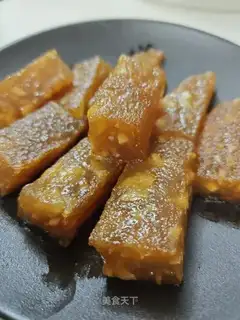
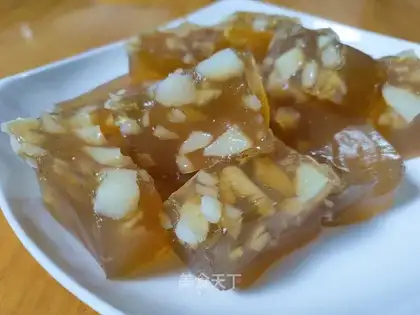
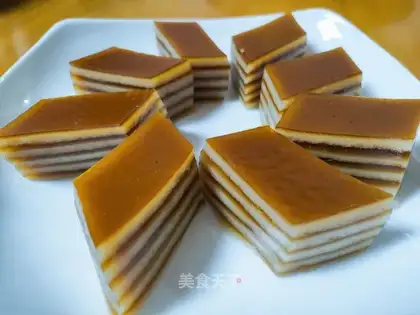
- Water Chestnut Cake: A traditional dim sum dessert made by mixing water chestnut powder with sugar and steaming it, resulting in a soft, translucent cake.
- Soups and Stews: Acts as a natural thickener, adding a silky texture to dishes like winter melon soup or hot and sour soup.
- Dumplings and Wrappers: Mixed with other flours to create gluten-free wrappers for dumplings or spring rolls.
In Western cuisine, it can be used as a gluten-free alternative to cornstarch or arrowroot powder in baking, sauces, and smoothies. Its mild flavor also makes it suitable for blending into smoothies or energy bars for a nutritional boost.
Precautions and Potential Side Effects
While water chestnut powder offers numerous health benefits, it is important to consume it in moderation and be aware of potential precautions, especially for certain individuals.
1. Allergic Reactions
Although rare, some people may be allergic to water chestnuts. Symptoms can include itching, hives, swelling, or difficulty breathing. Individuals with known allergies to other nuts or seeds should exercise caution and consult a healthcare professional before consuming water chestnut powder.
2. High Carbohydrate Content
Due to its high carbohydrate content, individuals with diabetes or those following a low-carb diet should monitor their intake. While the low GI of water chestnut powder helps regulate blood sugar, excessive consumption can still contribute to calorie excess and blood sugar fluctuations.
3. Digestive Discomfort
The high fiber and resistant starch content in water chestnut powder may cause digestive issues such as bloating, gas, or diarrhea in some individuals, especially when consumed in large amounts or for those with irritable bowel syndrome (IBS). It is advisable to start with small portions and gradually increase intake to allow the digestive system to adapt.
4. Contamination Risks
Like many plant-based powders, water chestnut powder may be contaminated with heavy metals or pesticides if the raw water chestnuts are grown in polluted environments. Choosing organic, reputable brands can minimize this risk. Additionally, improper storage (e.g., exposure to moisture) may lead to mold growth, so the powder should be kept in a cool, dry place in an airtight container.
5. Medication Interactions
Water chestnut powder may interact with certain medications, particularly blood thinners (e.g., warfarin), due to its vitamin K content. Individuals taking such medications should consult their doctor before adding water chestnut powder to their diet.
Conclusion
Water chestnut powder is a nutrient-dense, versatile ingredient that offers a wide range of health benefits, from improving digestion and regulating blood sugar to boosting immunity and supporting skin health. Its mild flavor and adaptability make it a valuable addition to both traditional and modern diets, particularly for those seeking gluten-free or low-GI alternatives. However, like any food, it should be consumed in moderation, with attention to potential allergies, digestive sensitivities, and medication interactions. By incorporating water chestnut powder into a balanced diet, individuals can enjoy its culinary versatility while reaping its nutritional rewards. As research continues to uncover its bioactive properties, water chestnut powder is poised to become an even more prominent player in global health and wellness.