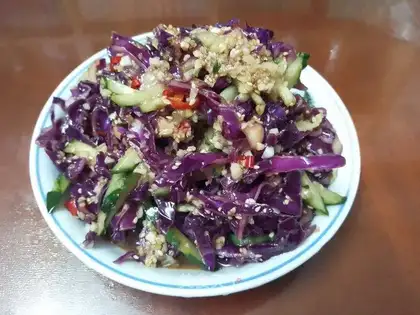
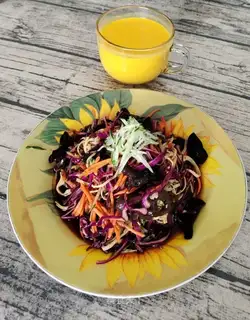
In the world of leafy greens, purple cabbage (also known as red cabbage) stands out not only for its vibrant color but also for its exceptional nutritional profile and health-promoting properties. This cruciferous vegetable, a close relative of kale, broccoli, and cauliflower, has been cultivated for centuries and valued for its culinary versatility and medicinal benefits. Rich in vitamins, minerals, antioxidants, and bioactive compounds, purple cabbage is a low-calorie, high-fiber food that can enhance overall health when consumed as part of a balanced diet. However, like all foods, it has certain considerations and potential side effects. This article explores the nutritional value of purple cabbage, its evidence-based health benefits, and important precautions to keep in mind when incorporating it into your diet.
I. Nutritional Value of Purple Cabbage
Purple cabbage is a nutritional powerhouse, offering a wide array of essential nutrients in a low-calorie package. A 100-gram serving of raw purple cabbage contains approximately 31 calories, 7.3 grams of carbohydrates, 2.2 grams of fiber, and 1.3 grams of protein. Its most striking feature, however, is its dense concentration of vitamins, minerals, and phytochemicals.
1. Vitamins
- Vitamin C: Purple cabbage is an excellent source of vitamin C, providing about 57% of the Daily Value (DV) per 100-gram serving. This potent antioxidant plays a critical role in immune function, collagen synthesis, and skin health. Vitamin C also enhances iron absorption from plant-based foods, making it beneficial for individuals at risk of iron deficiency.
- Vitamin K: With 28% of the DV per serving, purple cabbage supports blood clotting and bone health. Vitamin K is essential for activating proteins that regulate calcium deposition in bones, reducing the risk of osteoporosis.
- Vitamin A and Folate: It also contains significant amounts of vitamin A (in the form of beta-carotene) and folate (vitamin B9). Vitamin A is vital for vision, immune function, and cell growth, while folate is crucial for DNA synthesis and repair, making it particularly important during pregnancy.
2. Minerals
- Potassium: Purple cabbage provides 7% of the DV for potassium, a mineral that helps regulate blood pressure, fluid balance, and nerve function. A diet rich in potassium is associated with a lower risk of stroke and heart disease.
- Calcium and Iron: Though not as high as dairy or meat sources, it contributes small amounts of calcium (4% DV) and iron (2% DV). When combined with vitamin C, the iron in purple cabbage becomes more bioavailable, supporting oxygen transport in the body.
3. Phytochemicals and Antioxidants
The deep purple hue of purple cabbage is a testament to its high content of anthocyanins—flavonoid antioxidants responsible for its color. Anthocyanins have been linked to reduced inflammation, improved cognitive function, and a lower risk of chronic diseases. Additionally, purple cabbage contains other beneficial compounds such as glucosinolates (which break down into anti-cancer compounds like sulforaphane), quercetin (an anti-inflammatory flavonoid), and sinigrin (a compound with potential anti-cancer properties).
II. Health Benefits of Purple Cabbage
The combination of vitamins, minerals, and phytochemicals in purple cabbage confers numerous health benefits, backed by scientific research.
1. Antioxidant and Anti-Inflammatory Properties
Anthocyanins and other antioxidants in purple cabbage neutralize harmful free radicals, which can cause oxidative stress and damage cells. Oxidative stress is linked to chronic diseases such as heart disease, diabetes, and cancer. Studies show that anthocyanins also inhibit pro-inflammatory enzymes, reducing inflammation in the body. Chronic inflammation is a key driver of many diseases, including arthritis, inflammatory bowel disease (IBD), and neurodegenerative disorders. Regular consumption of purple cabbage may help mitigate these risks.
2. Cardiovascular Health
Purple cabbage supports heart health through multiple mechanisms. Its high potassium content helps counteract the effects of sodium, lowering blood pressure. The fiber in purple cabbage binds to cholesterol in the digestive system, reducing its absorption and lowering LDL ("bad") cholesterol levels. Additionally, anthocyanins have been shown to improve endothelial function (the health of blood vessel linings) and reduce the risk of atherosclerosis. A study published in the British Journal of Nutrition found that regular consumption of anthocyanin-rich foods was associated with a 12% lower risk of coronary heart disease.
3. Cancer Prevention
Cruciferous vegetables like purple cabbage are renowned for their cancer-fighting properties. Glucosinolates in purple cabbage break down into bioactive compounds such as sulforaphane and indole-3-carbinol, which have been shown to inhibit the growth of cancer cells and promote apoptosis (programmed cell death). Research suggests these compounds may reduce the risk of several cancers, including breast, colon, and prostate cancer. For example, a study in the Journal of the National Cancer Institute found that sulforaphane suppressed the growth of breast cancer cells by targeting cancer stem cells.
4. Digestive Health
Purple cabbage is an excellent source of dietary fiber, which is essential for maintaining a healthy digestive system. Fiber adds bulk to stool, preventing constipation and promoting regular bowel movements. Additionally, fiber acts as a prebiotic, feeding beneficial gut bacteria and supporting a balanced gut microbiome. A healthy gut microbiome is linked to improved immunity, better mood, and a reduced risk of digestive disorders like IBD and colon cancer.
5. Weight Management
Low in calories and high in fiber and water, purple cabbage is an ideal food for weight management. Fiber promotes satiety, reducing hunger and overall calorie intake. A 100-gram serving of purple cabbage provides only 31 calories but 2.2 grams of fiber, making it a nutrient-dense choice for those looking to lose or maintain weight.
6. Blood Sugar Regulation
The fiber and anthocyanins in purple cabbage may help regulate blood sugar levels, making it beneficial for individuals with diabetes or insulin resistance. Fiber slows the absorption of sugar in the bloodstream, preventing spikes in blood glucose. Anthocyanins have been shown to improve insulin sensitivity, enhancing the body’s ability to use glucose effectively. A study in the American Journal of Clinical Nutrition found that higher intake of anthocyanin-rich foods was associated with a 15% lower risk of type 2 diabetes.
7. Brain Health and Cognitive Function
The antioxidants in purple cabbage, particularly anthocyanins, may protect the brain from oxidative stress and inflammation, both of which contribute to cognitive decline and neurodegenerative diseases like Alzheimer’s. Research suggests that anthocyanins improve communication between brain cells and enhance memory. A study published in Nutrition Reviews found that regular consumption of flavonoid-rich foods was associated with a slower rate of cognitive decline in older adults.
III. Precautions and Potential Side Effects
While purple cabbage is highly nutritious, there are certain precautions to consider to avoid adverse effects.
1. Thyroid Function
Purple cabbage contains goitrogens—compounds that can interfere with thyroid function by inhibiting the uptake of iodine, a mineral essential for thyroid hormone production. While cooking significantly reduces goitrogen levels, individuals with thyroid disorders (such as hypothyroidism) should consume purple cabbage in moderation. Cooking methods like steaming, boiling, or stir-frying are recommended to minimize goitrogen content.
2. Digestive Discomfort
The high fiber content in purple cabbage may cause digestive issues such as bloating, gas, or diarrhea in some individuals, especially those with sensitive digestive systems or irritable bowel syndrome (IBS). To avoid discomfort, start with small portions and gradually increase intake. Soaking shredded purple cabbage in water for 10–15 minutes before cooking can also reduce its fiber content and make it easier to digest.
3. Blood Thinners and Vitamin K
Purple cabbage is rich in vitamin K, which plays a key role in blood clotting. Individuals taking blood-thinning medications (e.g., warfarin) should maintain consistent vitamin K intake to avoid interactions. Sudden increases in vitamin K consumption can reduce the effectiveness of these medications. It is advisable for such individuals to consult their healthcare provider before making significant dietary changes.
4. Pesticide Residues
Like many conventionally grown vegetables, purple cabbage may contain pesticide residues. To minimize exposure, choose organic purple cabbage when possible, or wash it thoroughly under running water. Soaking in a solution of water and vinegar (1:3 ratio) for 5–10 minutes can further reduce pesticide residues.
5. Allergic Reactions
Although rare, some individuals may be allergic to purple cabbage or other cruciferous vegetables. Symptoms of an allergic reaction may include itching, hives, swelling, or difficulty breathing. If you experience these symptoms after consuming purple cabbage, seek medical attention immediately.
IV. Culinary Uses and Tips for Incorporation
Purple cabbage’s versatility makes it easy to incorporate into a healthy diet. Here are some practical tips:
- Raw: Add shredded purple cabbage to salads, slaws, or sandwiches for a crunchy texture and vibrant color. Marinating it in lemon juice or vinegar can soften its texture and enhance flavor.
- Cooked: Sauté, steam, or roast purple cabbage to bring out its natural sweetness. It pairs well with apples, onions, and spices like cinnamon and caraway.
- Fermented: Make purple sauerkraut by fermenting shredded cabbage with salt. Fermented purple cabbage is rich in probiotics, which support gut health.
- Smoothies: Blend a small amount of purple cabbage into smoothies for an antioxidant boost without overpowering the flavor.
Conclusion
Purple cabbage is a nutritional powerhouse that offers a wide range of health benefits, from reducing inflammation and supporting heart health to promoting digestion and weight management. Its rich content of vitamins, minerals, and phytochemicals makes it a valuable addition to any diet. However, individuals with thyroid disorders, those taking blood thinners, or those prone to digestive discomfort should consume it in moderation and prepare it properly. By incorporating purple cabbage into meals in creative and varied ways, you can harness its health benefits while enjoying its unique flavor and versatility. As with any food, balance and moderation are key to maximizing its advantages and minimizing potential risks.