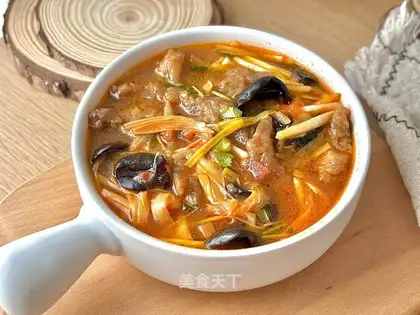
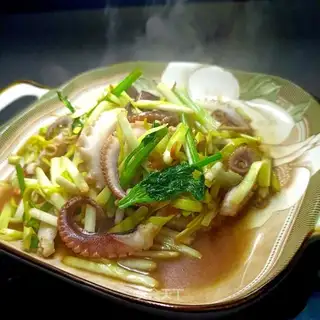
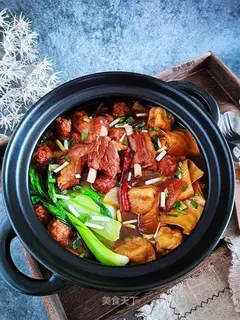
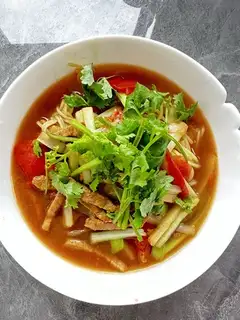
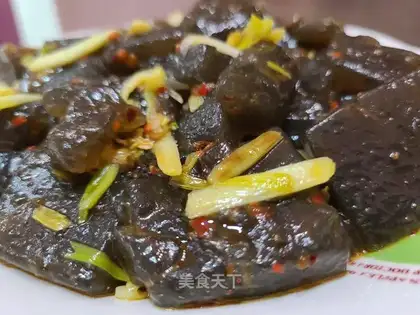
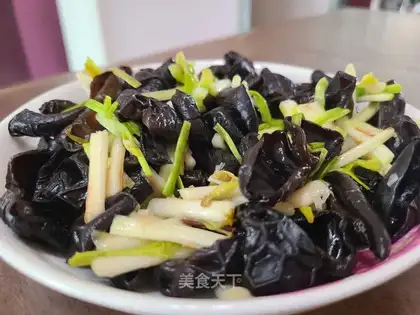
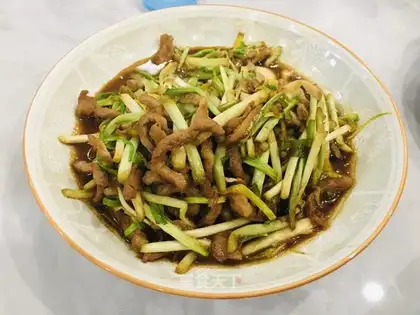
Garlic chives (Allium tuberosum), known as “jiu cai” in Mandarin, are a versatile and nutrient-dense vegetable widely used in Asian cuisine. With their flat, grass-like leaves and subtle garlic-onion flavor, they add a unique aromatic touch to dishes ranging from stir-fries to dumplings. Beyond their culinary appeal, garlic chives have been valued for centuries in traditional medicine for their potential health-promoting properties. This article explores the nutritional profile of garlic chives, their evidence-based health benefits, and important precautions to consider when incorporating them into your diet.
Nutritional Profile of Garlic Chives
Garlic chives are a low-calorie yet nutrient-rich food, offering a diverse array of vitamins, minerals, antioxidants, and bioactive compounds. A 100-gram serving of fresh garlic chives (approximately one cup, chopped) contains roughly 30 calories, 2.5 grams of protein, 0.7 grams of fat, and 6.9 grams of carbohydrates, including 2.5 grams of dietary fiber.
Vitamins
Garlic chives are an excellent source of several essential vitamins:
- Vitamin K: Crucial for blood clotting and bone health, garlic chives provide approximately 212 micrograms (mcg) of vitamin K per 100 grams—over 170% of the daily recommended intake (DRI) for adults.
- Vitamin C: A powerful antioxidant, vitamin C supports immune function, skin health, and collagen synthesis. Garlic chives offer around 30 mg per 100 grams, meeting 33% of the DRI.
- Folate (Vitamin B9): Vital for DNA synthesis and cell division, garlic chives contain approximately 76 mcg per 100 grams, contributing 19% of the DRI.
- Vitamin A: In the form of beta-carotene, garlic chives provide ~1,640 international units (IU) of vitamin A, important for vision, immune function, and skin health.
Minerals
They are also rich in minerals that play key roles in bodily functions:
- Manganese: A trace mineral essential for metabolism, antioxidant defense, and bone formation. Garlic chives offer ~0.3 mg per 100 grams, or 13% of the DRI.
- Iron: Critical for oxygen transport and energy production, garlic chives contain ~1.6 mg per 100 grams, or 9% of the DRI (though plant-based iron has lower bioavailability than animal-based sources).
- Calcium: Important for bone and teeth health, garlic chives provide ~92 mg per 100 grams, or 7% of the DRI.
- Potassium: Regulates fluid balance, nerve signals, and muscle contractions. Garlic chives contain ~296 mg per 100 grams, or 6% of the DRI.
Bioactive Compounds
The most notable health benefits of garlic chives come from their bioactive compounds, particularly:
- Allicin: A sulfur-containing compound formed when garlic chives are chopped or crushed, allicin has potent antimicrobial, anti-inflammatory, and antioxidant properties.
- Quercetin: A flavonoid antioxidant that reduces inflammation and supports cardiovascular health.
- Saponins: Plant compounds that may help lower cholesterol and boost immune function.
Health Benefits of Garlic Chives
The combination of vitamins, minerals, and bioactive compounds in garlic chives contributes to a range of health benefits, supported by both traditional use and emerging scientific research.
1. Supports Immune Function
Garlic chives are a natural immune booster, thanks to their high vitamin C content and allicin. Vitamin C enhances the production and function of white blood cells, the body’s primary defense against infections. Allicin, meanwhile, has been shown to exhibit antimicrobial activity against bacteria, viruses, and fungi. A 2020 study published in the Journal of Ethnopharmacology found that allicin from Allium species (including garlic chives) inhibited the growth of Staphylococcus aureus and Escherichia coli, suggesting potential for preventing infections.
2. Promotes Heart Health
Regular consumption of garlic chives may support cardiovascular health through multiple mechanisms:
- Lowers Cholesterol: Saponins in garlic chives interfere with cholesterol absorption in the gut, helping to reduce levels of low-density lipoprotein (LDL or “bad” cholesterol). A 2018 study in Phytotherapy Research found that saponins from Allium vegetables decreased LDL cholesterol by 15–20% in animal models.
- Reduces Blood Pressure: Allicin and quercetin in garlic chives help relax blood vessels and improve blood flow, potentially lowering blood pressure. A meta-analysis in The American Journal of Clinical Nutrition (2014) concluded that garlic supplementation (including garlic chives) significantly reduced systolic and diastolic blood pressure in hypertensive individuals.
- Prevents Oxidative Stress: Antioxidants like vitamin C and quercetin neutralize free radicals, reducing oxidative damage to blood vessels and decreasing the risk of atherosclerosis.
3. Enhances Bone Health
Garlic chives are a rich source of vitamin K and calcium, two nutrients critical for maintaining strong bones. Vitamin K activates osteocalcin, a protein that binds calcium to the bone matrix, improving bone density. A 2019 study in Osteoporosis International linked higher vitamin K intake to a reduced risk of fractures in postmenopausal women. Additionally, the manganese in garlic chives supports collagen production, which provides structure to bones and connective tissues.
4. Aids Digestion and Gut Health
With 2.5 grams of fiber per 100 grams, garlic chives promote healthy digestion by adding bulk to stool and supporting regular bowel movements. Fiber also acts as a prebiotic, feeding beneficial gut bacteria like Lactobacillus and Bifidobacterium, which are essential for gut microbiome balance. A healthy gut microbiome is linked to improved immunity, reduced inflammation, and even better mental health.
5. Anti-Inflammatory and Anticancer Properties
Chronic inflammation is a root cause of many diseases, including cancer, diabetes, and heart disease. Garlic chives contain multiple anti-inflammatory compounds, including quercetin and allicin, which inhibit pro-inflammatory enzymes like cyclooxygenase (COX) and interleukin-6 (IL-6). A 2021 study in Cancer Prevention Research found that quercetin suppressed the growth of colon cancer cells in vitro by inducing apoptosis (programmed cell death). While human studies are needed, these findings suggest garlic chives may play a role in cancer prevention.
6. Supports Eye Health
Garlic chives are a good source of vitamin A (as beta-carotene) and lutein, two nutrients vital for eye health. Vitamin A prevents night blindness and age-related macular degeneration (AMD), while lutein protects the retina from oxidative damage caused by blue light and UV rays. A 2018 study in The Journal of Nutrition found that higher lutein intake was associated with a 40% lower risk of AMD in older adults.
食用禁忌 (Precautions and Potential Side Effects)
While garlic chives are generally safe for most people when consumed in moderation, there are several precautions to consider:
1. Blood-Thinning Medications
Garlic chives are high in vitamin K, which plays a key role in blood clotting. Individuals taking anticoagulant medications (e.g., warfarin, aspirin) should maintain consistent vitamin K intake to avoid interactions. Sudden increases in garlic chive consumption may reduce the effectiveness of blood thinners, increasing the risk of blood clots. It is advisable to consult a healthcare provider before making significant dietary changes.
2. Digestive Discomfort
Garlic chives contain fructans, a type of fiber that can be difficult to digest for people with irritable bowel syndrome (IBS) or fructose malabsorption. Consuming large amounts may cause bloating, gas, or diarrhea. Those with sensitive digestive systems should start with small portions and monitor their body’s response.
3. Low Blood Pressure
Due to their blood pressure-lowering effects, garlic chives may cause hypotension (low blood pressure) in individuals already taking medication for hypertension. Symptoms of hypotension include dizziness, fatigue, and fainting. People with low blood pressure should consume garlic chives in moderation and avoid taking them alongside antihypertensive drugs without medical supervision.
4. Pregnancy and Breastfeeding
While garlic chives are a common food in many cultures, pregnant and breastfeeding women should consume them in moderation. High doses of garlic or garlic chives may have uterine-stimulating effects, potentially increasing the risk of miscarriage in early pregnancy. Additionally, allicin can pass into breast milk, affecting the taste of milk and potentially causing digestive upset in infants.
5. Allergic Reactions
Though rare, some individuals may be allergic to garlic chives or other Allium vegetables (e.g., onions, garlic). Symptoms of an allergic reaction include itching, hives, swelling, or difficulty breathing. People with known allergies should avoid garlic chives and seek immediate medical attention if they experience severe reactions.
Conclusion
Garlic chives are more than just a flavorful ingredient—they are a nutritional powerhouse packed with vitamins, minerals, and bioactive compounds that support immune function, heart health, bone strength, and digestion. Their potential anti-inflammatory and anticancer properties further highlight their value as a functional food. However, like all foods, they should be consumed in moderation, especially by individuals with specific health conditions (e.g., those on blood thinners or with low blood pressure). By incorporating garlic chives into a balanced diet, you can enjoy their culinary benefits while promoting overall health and well-being. Whether sautéed, stir-fried, or used as a garnish, garlic chives are a simple yet powerful addition to a healthy lifestyle.