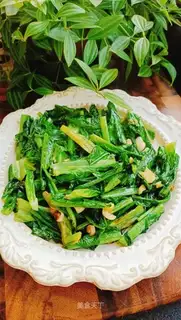
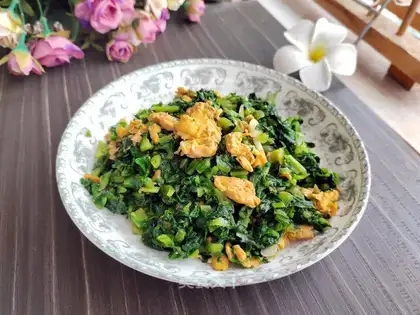
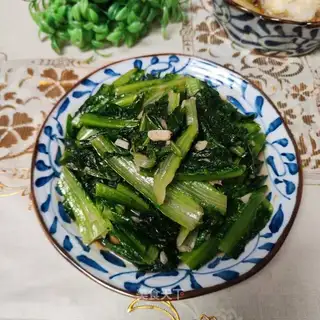
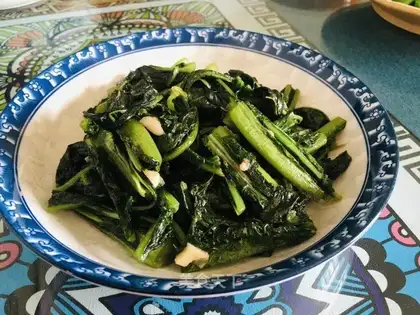
Lettuce, often relegated to the role of a mere garnish or a crispy base in salads, has long been overshadowed by more exotic superfoods. Yet, its leaves—particularly the dark, vibrant outer leaves discarded by many—are nutritional powerhouses packed with vitamins, minerals, antioxidants, and bioactive compounds. While the crisp, pale hearts are popular for their mild taste, the darker, more bitter leaves boast a concentrated profile of nutrients that offer remarkable health benefits. This article explores the nutritional value of lettuce leaves, their scientifically backed health benefits, and important precautions to maximize their potential while minimizing risks.
I. Nutritional Value of Lettuce Leaves
Lettuce leaves (from varieties like romaine, green leaf, and red leaf) are low in calories but rich in essential nutrients, making them an ideal addition to a balanced diet. A 100-gram serving of raw green leaf lettuce contains approximately:
- Vitamins:
- Vitamin A (as beta-carotene): Lettuce is one of the best plant-based sources of vitamin A, with 100 grams providing over 100% of the daily recommended intake (DRI). Beta-carotene is converted into retinol in the body, supporting vision, immune function, and skin health.
- Vitamin K: Critical for blood clotting and bone metabolism, lettuce offers around 85% of the DRI per 100 grams. Vitamin K also plays a role in regulating calcium deposition in bones, reducing osteoporosis risk.
- Folate (Vitamin B9): Essential for DNA synthesis, cell division, and fetal development, lettuce provides about 10% of the DRI per serving. Folate deficiency is linked to anemia and neural tube defects in pregnancies.
- Vitamin C: A potent antioxidant, lettuce contributes 4–8% of the DRI per 100 grams. Vitamin boosts collagen production, enhances immune defense, and aids iron absorption.
- Minerals:
- Potassium: Lettuce contains approximately 200 mg per 100 grams, supporting heart health by regulating blood pressure and fluid balance.
- Iron: Though not as high as legumes, the iron in lettuce (about 0.86 mg per 100 grams) is non-heme iron, which is enhanced by vitamin C in the same meal.
- Calcium and Magnesium: Present in smaller amounts, these minerals support bone density and muscle function.
- Antioxidants and Phytochemicals:
- Beta-carotene and Lutein: These carotenoids protect cells from oxidative damage, reduce inflammation, and lower the risk of age-related macular degeneration.
- Flavonoids: Quercetin and kaempferol in lettuce have anti-inflammatory and neuroprotective effects. Studies suggest quercetin may lower blood pressure and reduce allergy symptoms.
- Chlorophyll: The pigment responsible for lettuce’s green color, chlorophyll has detoxifying properties and may help bind carcinogens in the digestive tract.
- Fiber and Water: With 95% water content and 1.3 grams of fiber per 100 grams, lettuce aids hydration, promotes satiety, and supports digestive health by preventing constipation.
II. Health Benefits of Lettuce Leaves
The nutrient density of lettuce translates into a range of health benefits, backed by scientific research:
1. Supports Bone Health
Lettuce is a rich source of vitamin K and calcium, two nutrients vital for bone maintenance. Vitamin K activates osteocalcin, a protein that binds calcium to bones, reducing the risk of fractures and osteoporosis. A study published in The American Journal of Clinical Nutrition found that individuals with high vitamin K intake had a 35% lower risk of hip fractures.
2. Enhances Immune Function
The combination of vitamin A, vitamin C, and antioxidants in lettuce strengthens the immune system. Vitamin A maintains the integrity of mucosal barriers (e.g., in the respiratory and digestive tracts), while vitamin C stimulates the production of white blood cells. Flavonoids like quercetin further enhance immune response by modulating inflammation.
3. Promotes Heart Health
Lettuce’s potassium content helps counteract the effects of sodium, lowering blood pressure and reducing the risk of hypertension. Additionally, fiber binds to cholesterol in the digestive tract, limiting its absorption. The antioxidant lutein in lettuce prevents the oxidation of LDL (“bad”) cholesterol, a key step in atherosclerosis development.
4. Aids Weight Management
Low in calories (15–20 calories per 100 grams) and high in water and fiber, lettuce promotes satiety without adding significant calories. A 2019 study in Appetite found that consuming high-water, high-fiber foods like lettuce reduces overall calorie intake by increasing feelings of fullness.
5. Supports Digestive Health
The fiber in lettuce adds bulk to stool, facilitating regular bowel movements and preventing constipation. Moreover, lettuce contains prebiotic compounds (such as inulin) that feed beneficial gut bacteria, promoting a healthy microbiome. A balanced gut microbiome is linked to improved immunity, mood, and metabolic health.
6. Anti-Inflammatory and Anticancer Properties
Lettuce’s antioxidants and phytochemicals combat chronic inflammation, a root cause of many diseases. Quercetin, in particular, inhibits pro-inflammatory enzymes like COX-2, similar to NSAIDs but without side effects. Test-tube and animal studies suggest that lettuce extracts may induce apoptosis (programmed cell death) in cancer cells, particularly in breast, liver, and colon cancers. While human trials are limited, epidemiological data link high vegetable intake to a reduced risk of colorectal cancer.
7. Skin and Vision Health
Vitamin A and beta-carotene in lettuce support skin cell turnover and repair, reducing dryness and wrinkles. Lutein and zeaxanthin protect the eyes from blue light damage and age-related macular degeneration, a leading cause of vision loss in older adults.
III. Precautions and Potential Side Effects
While lettuce is generally safe for most people, certain precautions should be taken to avoid adverse effects:
1. Pesticide Residues
Conventionally grown lettuce is often treated with pesticides, which may残留 on leaves. To minimize exposure:
- Choose organic lettuce when possible.
- Wash leaves thoroughly under running water or use a vegetable wash to remove residues.
2. Contamination Risks
Lettuce is prone to bacterial contamination (e.g., E. coli, Salmonella) due to its close contact with soil during growth. To reduce risk:
- Avoid pre-cut lettuce that has been stored for extended periods.
- Store lettuce at 4°C (39°F) or below to prevent bacterial growth.
3. Oxalate Content
Lettuce contains oxalates, compounds that can bind to calcium and form kidney stones in susceptible individuals. Those with a history of kidney stones should consume lettuce in moderation and ensure adequate hydration.
4. Blood Thinning Effects
Lettuce is high in vitamin K, which plays a key role in blood clotting. Individuals taking anticoagulant medications (e.g., warfarin) should maintain consistent vitamin K intake to avoid drug interactions. Sudden increases in lettuce consumption may reduce the medication’s effectiveness.
5. Allergic Reactions
Though rare, some people may be allergic to lettuce, experiencing symptoms like itching, swelling, or digestive distress. Individuals with a known allergy should avoid lettuce and seek medical advice if reactions occur.
IV. Conclusion
Lettuce leaves are far more than a bland salad ingredient—they are a nutrient-dense, low-calorie food offering a host of health benefits, from bone support to immune enhancement. Rich in vitamins A, K, and C, as well as antioxidants and fiber, they deserve a prominent place in a healthy diet. However, proper handling (washing, storage) and awareness of potential risks (pesticides, oxalates) are essential to maximize their benefits. By incorporating a variety of lettuce varieties—including the often-discarded dark outer leaves—individuals can harness the full potential of this humble superfood and take a simple yet impactful step toward better health.
In a world obsessed with exotic superfoods, lettuce reminds us that true wellness often lies in the simplest, most accessible foods—provided we recognize their value and use them wisely.