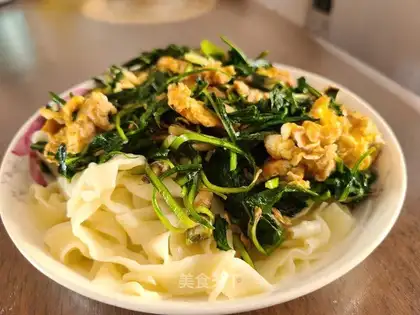
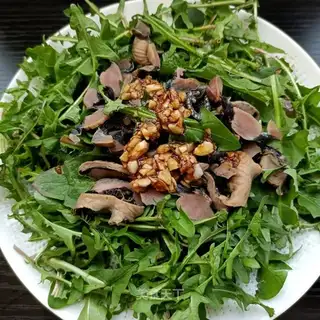
The dandelion (Taraxacum officinale), often dismissed as a common garden weed, is a nutritional and medicinal treasure with a history spanning millennia. Native to Eurasia and now naturalized worldwide, this resilient plant has been used in traditional medicine, cuisine, and even as a symbol of resilience in folklore. Today, as interest in natural health and wild foods grows, dandelion has emerged as a superfood, celebrated for its dense nutrient profile, therapeutic properties, and versatility in the kitchen. This article explores the nutritional value of dandelion, its scientifically supported health benefits, potential risks, and practical guidelines for safe consumption.
I. Nutritional Value of Dandelion
Dandelion is a nutritional powerhouse, offering a rare combination of vitamins, minerals, antioxidants, and bioactive compounds that rival many cultivated vegetables. Its entire plant—leaves, roots, and flowers—edible, each part boasting a distinct nutrient profile.
A. Dandelion Greens (Leaves)
The leaves, often compared to spinach or arugula, are rich in fat-soluble vitamins, particularly vitamin A (as beta-carotene), which supports vision, immune function, and skin health. A 100-gram serving of fresh dandelion greens provides approximately 50% of the daily recommended intake (DRI) of vitamin A and 120% of vitamin K, essential for blood clotting and bone metabolism. They are also an excellent source of vitamin C (35% DRI), a potent antioxidant that boosts immunity and collagen synthesis.
Mineral content is equally impressive: dandelion leaves are high in calcium (10% DRI), magnesium (15% DRI), and potassium (12% DRI), which regulate blood pressure, muscle function, and fluid balance. Notably, they contain more iron than spinach (per calorie) and are a good source of manganese, a trace mineral involved in antioxidant defense and metabolism.
B. Dandelion Roots
The taproot, often roasted as a caffeine-free coffee alternative, is rich in inulin, a prebiotic fiber that feeds beneficial gut bacteria. Inulin promotes digestive health, enhances nutrient absorption, and may help regulate blood sugar and cholesterol levels. Roots also contain taraxasterol, a triterpene with anti-inflammatory properties, and are a source of potassium, calcium, and iron.
C. Dandelion Flowers
The vibrant yellow flowers are edible and packed with antioxidants, including flavonoids (e.g., luteolin) and polyphenols, which combat oxidative stress. They also provide vitamin C and small amounts of B vitamins, making them a colorful and nutritious addition to salads or syrups.
D. Low in Calories, High in Nutrients
Dandelion is exceptionally low in calories (only 25 kcal per 100 grams of greens) yet dense in nutrients, making it an ideal food for weight management and overall wellness. Its high fiber content also promotes satiety, reducing overall calorie intake.
II. Health Benefits of Dandelion
Beyond its nutritional profile, dandelion has been studied for its therapeutic effects, supported by both traditional use and modern scientific research.
A. Supports Liver Health and Detoxification
In traditional medicine, dandelion root is revered as a "liver tonic" for its ability to support detoxification pathways. Animal studies suggest that dandelion extracts enhance liver function by increasing the production of bile, a fluid that aids fat digestion and toxin elimination. A 2010 study published in the Journal of Ethnopharmacology found that dandelion root extract protected liver cells from chemical-induced damage, reducing inflammation and oxidative stress.
B. Promotes Digestive Health
Dandelion’s prebiotic inulin and fiber content foster a healthy gut microbiome, which is linked to improved digestion, reduced bloating, and enhanced immune function. The plant also acts as a mild diuretic, increasing urine output to flush excess water and salt, which may alleviate water retention and bloating. This diuretic effect, attributed to compounds like taraxacin, is gentle and unlike pharmaceutical diuretics, which deplete potassium.
C. Anti-Inflammatory and Antioxidant Properties
Chronic inflammation is a root cause of many diseases, including heart disease, diabetes, and cancer. Dandelion is rich in antioxidants, including polyphenols and flavonoids, which neutralize free radicals and reduce inflammation. A 2016 study in Food Chemistry found that dandelion extracts inhibited pro-inflammatory enzymes (COX-2) and cytokines, suggesting potential for managing inflammatory conditions like arthritis.
D. Regulates Blood Sugar
Preliminary research indicates that dandelion may help stabilize blood sugar levels. In a 2018 study on diabetic rats, dandelion root extract significantly reduced blood glucose and improved insulin sensitivity. The fiber in dandelion slows carbohydrate absorption, preventing blood sugar spikes, while its antioxidants protect pancreatic cells from damage.
E. Supports Skin Health
Vitamin A and C in dandelion are crucial for skin repair and collagen production. Topical dandelion extracts have been used to treat acne, eczema, and psoriasis due to their anti-inflammatory and antimicrobial properties. A 2011 study in the Journal of Herbal Medicine found that dandelion leaf extract reduced skin inflammation in mice, supporting its traditional use for skin conditions.
F. May Aid Weight Loss
Dandelion’s low calorie, high fiber, and diuretic effects make it a valuable ally for weight management. Fiber promotes fullness, reducing overeating, while increased urine output can eliminate excess water weight. A 2014 review in Obesity Reviews highlighted the role of bitter compounds in dandelion in stimulating digestion and metabolism.
III. Potential Risks and Precautions
While dandelion is safe for most people, certain precautions must be taken to avoid adverse effects.
A. Allergic Reactions
Individuals allergic to ragweed, chrysanthemums, marigolds, or other plants in the Asteraceae family may experience cross-reactivity to dandelion. Symptoms include skin rashes, hives, or respiratory distress. Those with known allergies should consult a healthcare provider before consuming dandelion.
B. Gallbladder Issues
Dandelion stimulates bile production, which can exacerbate gallstones or bile duct blockages. People with gallbladder disease should avoid dandelion unless advised by a doctor.
C. Diuretic Effect and Electrolyte Imbalance
While mild, dandelion’s diuretic properties may increase urine output, leading to electrolyte imbalances (e.g., low potassium) if consumed in large quantities. This risk is higher for individuals taking diuretic medications, who should avoid combining them with dandelion.
D. Blood Sugar and Blood Pressure Interactions
Dandelion may lower blood sugar and blood pressure, so individuals taking diabetes or hypertension medications should monitor their levels closely to avoid hypoglycemia or hypotension.
E. Pesticide Contamination
Wild-harvested dandelions may be exposed to pesticides or pollutants. Foragers should collect dandelion from uncontaminated areas (away from roads or chemically treated lawns) or opt for organic varieties.
IV. Culinary Uses and Preparation Tips
Dandelion is incredibly versatile in the kitchen, with each part offering unique flavors and textures.
A. Dandelion Greens
- Raw: Young, tender leaves can be added to salads for a peppery, slightly bitter kick. Blanching older leaves for 30 seconds reduces bitterness.
- Cooked: Sauté with garlic and olive oil, add to soups, or blend into smoothies. They pair well with lemon juice, honey, or nuts to balance bitterness.
B. Dandelion Root
- Roasted: Chop roots, roast at 350°F (175°C) for 30 minutes, then grind as a coffee substitute.
- Tea: Simmer 1 tablespoon of dried root in hot water for 10–15 minutes for a earthy, caffeine-free tea.
C. Dandelion Flowers
- Salads: Remove green sepals and add petals to salads for color and mild sweetness.
- Syrups: Infuse flowers in sugar water to make dandelion syrup, a natural sweetener for pancakes or cocktails.
- Fritters: Dip flowers in batter and fry for a crispy, golden snack.
D. Safety in Harvesting and Cooking
- Identification: Ensure the plant is dandelion (Taraxacum officinale) and not a toxic look-alike (e.g., catsear, which has hairy leaves).
- Cleaning: Wash thoroughly to remove dirt, insects, or pesticide residues.
- Moderation: Start with small amounts to assess tolerance, especially for those new to dandelion.
V. Conclusion
Dandelion is far more than a weed—it is a nutritional, medicinal, and culinary gem with a rich history and modern relevance. Its leaves, roots, and flowers offer a wealth of vitamins, minerals, and bioactive compounds that support liver health, digestion, inflammation reduction, and more. While generally safe, mindful consumption—especially for those with allergies, gallbladder issues, or on medications—is essential.
As we rediscover the wisdom of wild foods, dandelion stands out as a reminder of nature’s abundance. Whether foraged from a meadow or purchased at a farmers’ market, this humble plant invites us to rethink "weeds" as valuable resources, blending tradition and science to enhance our health and culinary experiences. By embracing dandelion responsibly, we can tap into its potential to nourish the body, protect the planet, and savor the simple pleasures of nature’s bounty.