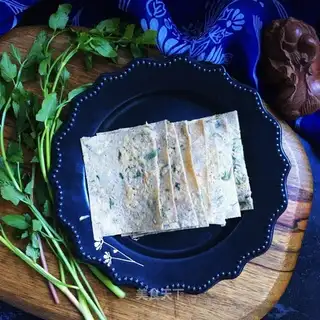
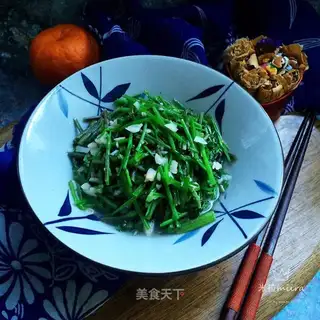
Watercress (Nasturtium officinale), a vibrant green leafy vegetable belonging to the Brassicaceae family, has been valued for centuries for its peppery flavor and medicinal properties. Native to Europe and Asia, this aquatic plant now thrives in freshwater streams, rivers, and damp soils worldwide. Often dubbed a "superfood," watercress is packed with essential vitamins, minerals, and bioactive compounds that offer a myriad of health benefits. From boosting immunity to supporting detoxification, this humble green has earned its place as a nutritional powerhouse. However, like all foods, it must be consumed mindfully to avoid potential risks. This article explores the nutritional profile, health benefits, and precautions associated with watercress, highlighting why it deserves a spot in a balanced diet.
Nutritional Profile: Why Watercress Stands Out
Watercress is low in calories yet exceptionally rich in nutrients, making it an ideal choice for health-conscious individuals. A 100-gram serving of fresh watercress (about 3 cups, chopped) contains approximately:
- Calories: 22 kcal
- Protein: 2.3 g
- Carbohydrates: 3.9 g (including 0.7 g of fiber)
- Fat: 0.4 g
- Vitamins:
- Vitamin K: 59 µg (493% of the Daily Value, DV) – crucial for blood clotting and bone health.
- Vitamin C: 43 mg (72% DV) – a potent antioxidant that supports immune function and skin health.
- Vitamin A: 160 µg (32% DV, as beta-carotene) – essential for vision, cell growth, and immune response.
- Folate: 9 µg (19% DV) – vital for DNA synthesis and cell division, especially during pregnancy.
- Minerals:
- Calcium: 120 mg (12% DV) – important for bone and teeth health.
- Iron: 0.8 mg (10% DV) – supports oxygen transport and energy production.
- Potassium: 330 mg (7% DV) – regulates blood pressure and fluid balance.
- Bioactive Compounds:
- Glucosinolates: These sulfur-containing compounds (e.g., gluconasturtiin) break down into isothiocyanates, such as phenethyl isothiocyanate (PEITC), which have potent anti-inflammatory and anticancer properties.
- Antioxidants: Including flavonoids (e.g., quercetin) and carotenoids, which combat oxidative stress.
This dense nutrient profile positions watercress as one of the most nutrient-dense vegetables, outranking even spinach and kale in several key vitamins.
Health Benefits of Watercress
The combination of vitamins, minerals, and bioactive compounds in watercress contributes to a wide range of health benefits, supported by both traditional use and modern scientific research.
1. Anticancer Properties
Watercress is renowned for its potential cancer-fighting effects, largely attributed to glucosinolates and their breakdown products, isothiocyanates. PEITC, in particular, has been extensively studied for its ability to inhibit tumor growth and metastasis. Research published in the British Journal of Nutrition found that consuming watercress increased levels of cancer-fighting enzymes in the body and reduced DNA damage in blood cells, a marker of reduced cancer risk. Studies also suggest that PEITC may induce apoptosis (programmed cell death) in breast, lung, and colon cancer cells while sparing healthy cells.
2. Cardiovascular Health
Regular consumption of watercress may support heart health by improving lipid profiles and reducing oxidative stress. The vegetable’s high potassium content helps regulate blood pressure by counteracting the effects of sodium, while its antioxidants (e.g., vitamin C and quercetin) prevent LDL cholesterol oxidation, a key step in atherosclerosis. A study in the American Journal of Clinical Nutrition showed that daily watercress consumption reduced triglyceride levels and improved arterial flexibility in healthy adults, lowering the risk of cardiovascular disease.
3. Bone Health
Watercress is an excellent source of vitamin K, which plays a critical role in bone metabolism. Vitamin K activates osteocalcin, a protein that binds calcium to bones, enhancing their strength and density. For postmenopausal women, who are at higher risk of osteoporosis, vitamin K supplementation (including dietary sources like watercress) has been linked to reduced fracture rates. Additionally, the calcium and magnesium in watercress further contribute to bone health.
4. Immune System Support
The high vitamin C content in watercress (72% DV per 100 grams) makes it a natural immune booster. Vitamin C stimulates the production of white blood cells, enhances antibody function, and acts as an antioxidant to protect immune cells from damage. Combined with its anti-inflammatory properties, watercress can help the body fight infections and recover from illness more efficiently.
5. Detoxification and Liver Health
Watercress supports the body’s detoxification pathways, particularly in the liver. The isothiocyanates in watercress activate phase II detoxification enzymes, which neutralize and eliminate toxins, such as heavy metals and environmental pollutants. Animal studies have shown that watercress extract reduces liver damage caused by toxins like acetaminophen and improves liver function markers.
6. Weight Management
With only 22 calories per 100 grams and high water content (over 95%), watercress is a low-energy-dense food that promotes satiety without adding excess calories. Its fiber content aids digestion and helps regulate blood sugar levels, reducing cravings. Incorporating watercress into meals, such as salads or smoothies, can increase nutrient intake while supporting weight loss or maintenance goals.
7. Skin and Hair Health
The vitamin A and C in watercress are essential for skin health. Vitamin A promotes cell turnover and repairs skin damage, while vitamin C stimulates collagen synthesis, keeping skin firm and elastic. Additionally, watercress’s antioxidant content protects the skin from UV damage and premature aging. For hair, the iron and folate in watercress support healthy hair growth and prevent brittleness.
Culinary Uses and Versatility
Beyond its health benefits, watercress adds a unique flavor and texture to dishes. Its peppery, slightly bitter taste makes it a versatile ingredient in both raw and cooked preparations:
- Raw: Use in salads, sandwiches, or as a garnish for soups and omelets. Pair with mild ingredients like avocado, cucumber, or lemon to balance its sharpness.
- Cooked: Sauté with garlic and olive oil as a side dish, blend into soups (e.g., potato or leek soup) for added nutrients, or stir into pasta dishes.
- Smoothies: A small handful of watercress can boost the nutritional content of green smoothies without overpowering other flavors.
- Juices: Combine with fruits like apple or pear for a refreshing, nutrient-dense juice.
Precautions and Potential Side Effects
While watercress is generally safe for most people, certain precautions should be taken to avoid adverse effects:
1. Goitrogenic Effects
Watercress contains goitrogens, compounds that can interfere with thyroid function by inhibiting iodine uptake. Individuals with thyroid conditions, such as hypothyroidism, should consume watercress in moderation, especially when raw. Cooking reduces goitrogen levels, making steamed or sautéed watercress a safer option for those with thyroid concerns.
2. Blood Thinners and Vitamin K
Watercress is exceptionally high in vitamin K, which plays a key role in blood clotting. People taking anticoagulant medications (e.g., warfarin) should maintain consistent vitamin K intake to avoid interactions. Sudden increases in vitamin K-rich foods like watercress can reduce the effectiveness of blood thinners.
3. Kidney Stones
Due to its oxalate content, watercress may increase the risk of kidney stone formation in susceptible individuals. Those with a history of calcium oxalate stones should limit intake and consult a healthcare provider.
4. Pesticide Residues
As a leafy green, watercress may contain pesticide residues if not grown organically. Washing thoroughly under running water or choosing certified organic varieties can minimize exposure.
5. Pregnancy and Breastfeeding
While watercress is safe in moderate amounts during pregnancy, excessive consumption of raw watercress is not recommended due to its potential uterine-stimulating effects. Pregnant women should consult their doctor before consuming large quantities.
Conclusion
Watercress is a nutritional gem that offers an impressive array of health benefits, from cancer prevention to immune support and bone health. Its low calorie, high nutrient density, and culinary versatility make it an excellent addition to a balanced diet. However, mindful consumption is key, especially for individuals with thyroid issues, those on blood thinners, or those prone to kidney stones. By incorporating watercress into meals in moderation and preparing it appropriately, people can harness its health-promoting properties while minimizing risks. Whether raw in a salad, blended into a smoothie, or sautéed as a side dish, watercress is a flavorful and functional food that deserves recognition as a true superfood. As research continues to uncover its potential, watercress remains a timeless staple in both traditional medicine and modern nutrition.