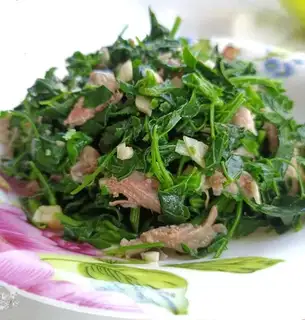
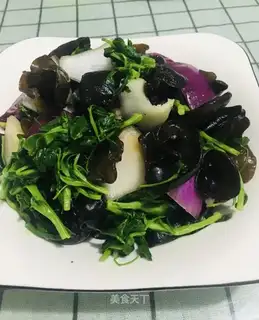
Alfalfa (Medicago sativa), often dubbed the "queen of forages," is a legume that has been cultivated for over 2,000 years, valued not only as animal feed but also as a nutrient-dense human food. Native to Asia, it spread globally due to its exceptional hardiness and nutritional profile. Today, alfalfa is consumed in various forms—fresh sprouts, dried leaves, powders, and supplements—celebrated for its rich vitamin, mineral, and antioxidant content. However, while its benefits are extensive, alfalfa also carries certain risks that require careful consideration. This article explores the nutritional value of alfalfa, its health benefits, and the precautions necessary for safe consumption.
I. Nutritional Value of Alfalfa
Alfalfa’s nutritional composition is remarkably diverse, making it a standout among plant-based foods. Its leaves, in particular, are packed with essential nutrients that support overall health.
1. Vitamins
Alfalfa is a potent source of vitamins, including:
- Vitamin K: Crucial for blood clotting and bone metabolism, alfalfa provides over 500% of the daily recommended intake (DRI) per 100 grams of dried leaves. This makes it particularly beneficial for individuals with vitamin K deficiencies.
- Vitamin C: A powerful antioxidant, vitamin C supports immune function, skin health, and collagen synthesis. Fresh alfalfa sprouts contain about 8.2 mg per 100 grams, while dried leaves offer even higher concentrations.
- Folate (Vitamin B9): Essential for DNA synthesis and cell division, alfalfa is an excellent plant-based source of folate, with 100 grams of dried leaves providing over 50% of the DRI. This is especially important for pregnant women to prevent neural tube defects.
- Vitamin A: In the form of beta-carotene, alfalfa supports vision, immune health, and skin integrity. Dried leaves contain significant amounts, converting to vitamin A in the body.
2. Minerals
The mineral profile of alfalfa is equally impressive:
- Calcium: Vital for bone and teeth health, alfalfa leaves offer around 340 mg of calcium per 100 grams—comparable to dairy products, making it a valuable option for vegans and lactose-intolerant individuals.
- Iron: Essential for oxygen transport and energy production, alfalfa provides 3.2 mg of iron per 100 grams of dried leaves, aiding in the prevention of anemia.
- Magnesium: This mineral supports muscle function, nerve signaling, and blood sugar regulation. Alfalfa contains 100 mg of magnesium per 100 grams, contributing to daily intake goals.
- Potassium: Important for fluid balance and blood pressure control, alfalfa offers 770 mg of potassium per 100 grams, rivaling bananas in potassium content.
3. Proteins and Amino Acids
As a legume, alfalfa is a surprising source of plant-based protein, containing about 18–25% protein by dry weight. It includes all essential amino acids, particularly lysine and tryptophan, which are often limited in grains. This makes alfalfa a valuable addition to vegetarian and vegan diets.
4. Phytochemicals and Antioxidants
Alfalfa’s health benefits are largely attributed to its phytochemicals, including:
- Saponins: These compounds have anti-inflammatory, cholesterol-lowering, and immune-modulating effects.
- Flavonoids: Quercetin and kaempferol, found in alfalfa, combat oxidative stress and reduce inflammation.
- Coumarins: With blood-thinning properties, coumarins may support cardiovascular health but require caution (discussed later).
II. Health Benefits of Alfalfa
The combination of vitamins, minerals, and phytochemicals in alfalfa confers a wide range of health benefits, from chronic disease prevention to digestive support.
1. Supports Bone Health
Alfalfa’s high calcium, vitamin K, and magnesium content makes it a boon for bone density. Vitamin K activates osteocalcin, a protein that integrates calcium into bones, reducing the risk of osteoporosis. Studies suggest that regular alfalfa consumption may help slow bone loss in postmenopausal women.
2. Lowers Cholesterol and Improves Heart Health
Saponins in alfalfa interfere with cholesterol absorption in the gut, reducing LDL ("bad") cholesterol levels. A 2010 study in the Journal of Agricultural and Food Chemistry found that alfalfa saponins decreased serum cholesterol by 15–30% in animal models. Additionally, potassium and fiber in alfalfa help regulate blood pressure, further protecting cardiovascular health.
3. Balances Blood Sugar
Alfalfa may aid in diabetes management by improving insulin sensitivity. Fiber slows carbohydrate digestion, preventing blood sugar spikes, while amino acids like arginine enhance insulin production. A 2016 study in Phytotherapy Research showed that alfalfa extract reduced blood glucose levels in diabetic rats, though human trials are needed.
4. Anti-Inflammatory and Antioxidant Effects
Chronic inflammation is linked to conditions like arthritis, heart disease, and cancer. Alfalfa’s flavonoids and saponins inhibit pro-inflammatory enzymes (e.g., COX-2), reducing inflammation. Its antioxidants neutralize free radicals, protecting cells from oxidative damage. This may alleviate symptoms of rheumatoid arthritis; a small 2015 study found that alfalfa supplements reduced joint pain in patients.
5. Aids Digestion and Detoxification
Alfalfa is rich in fiber, which promotes regular bowel movements and prevents constipation. It also contains enzymes that enhance nutrient absorption. Additionally, alfalfa acts as a diuretic, helping flush toxins from the kidneys and reducing bloating.
6. Boosts Immunity
The vitamin C, vitamin A, and phytochemicals in alfalfa strengthen the immune system. Vitamin C stimulates white blood cell production, while antioxidants reduce oxidative stress that weakens immune defenses. This may help the body fight infections and recover faster from illnesses.
III. Precautions and Potential Risks
While alfalfa is nutritious, it is not suitable for everyone. Certain compounds in alfalfa can cause adverse effects, particularly in large doses or for individuals with specific health conditions.
1. Autoimmune Diseases
Alfalfa contains L-canavanine, an amino acid that may stimulate the immune system. For people with autoimmune disorders like lupus, rheumatoid arthritis, or multiple sclerosis, this could exacerbate symptoms. A 1994 study in Proceedings of the National Academy of Sciences linked alfalfa consumption to lupus flares, prompting caution for those with autoimmune conditions.
2. Blood-Thinning Effects
Alfalfa’s coumarins can have anticoagulant properties, increasing bleeding risk when combined with blood-thinning medications (e.g., warfarin, aspirin) or supplements (e.g., vitamin E, garlic). Individuals scheduled for surgery or taking anticoagulants should avoid alfalfa to prevent excessive bleeding.
3. Hormonal Sensitivity
Alfalfa contains phytoestrogens, plant compounds that mimic estrogen. While beneficial for some (e.g., menopausal women), these compounds may interfere with hormone-sensitive conditions like breast, uterine, or ovarian cancer. Women with hormone-related cancers should consult a doctor before consuming alfalfa.
4. Digestive Issues
Alfalfa sprouts are high in fiber and oligosaccharides, which can cause gas, bloating, or diarrhea in sensitive individuals. Cooking alfalfa (e.g., steaming leaves) reduces these effects by breaking down fiber.
5. Contamination Risks
Raw alfalfa sprouts are prone to bacterial contamination (e.g., Salmonella, E. coli), particularly when grown in warm, humid conditions. Pregnant women, children, the elderly, and immunocompromised individuals should avoid raw sprouts and opt for cooked or supplement forms instead.
6. Drug Interactions
Alfalfa may interact with medications metabolized by the liver, including immunosuppressants (e.g., cyclosporine) and diabetes drugs. It can also enhance the effects of diuretics and lithium, leading to toxicity. Always consult a healthcare provider before adding alfalfa to your diet if taking medications.
IV. Safe Consumption and Practical Tips
To reap alfalfa’s benefits while minimizing risks, follow these guidelines:
- Choose the Right Form: Opt for organic, pesticide-free alfalfa. Dried leaves or powders are safer than raw sprouts for high-risk groups.
- Moderation is Key: Limit intake to 1–2 teaspoons of dried leaves or 1 cup of sprouts daily to avoid excessive nutrient or phytochemical intake.
- Cook for Digestibility: Steaming or boiling alfalfa leaves reduces fiber and oligosaccharides, making it easier to digest.
- Avoid in High-Risk Situations: Skip alfalfa if pregnant, breastfeeding, or managing autoimmune diseases, hormone-sensitive cancers, or blood disorders.
- Consult a Professional: Always talk to a doctor or dietitian before using alfalfa supplements, especially if taking medications or managing chronic conditions.
Conclusion
Alfalfa is a nutritional powerhouse, offering a unique blend of vitamins, minerals, and phytochemicals that support bone health, heart function, immunity, and more. Its versatility—from sprouts to supplements—makes it an accessible addition to a balanced diet. However, its potent bioactive compounds also demand caution. By understanding its benefits and risks, individuals can harness alfalfa’s potential safely, incorporating this ancient legume into a healthy lifestyle. As with any food, knowledge and moderation are key to unlocking its full value while prioritizing well-being.