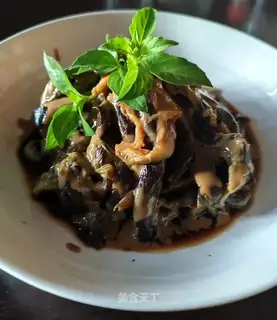
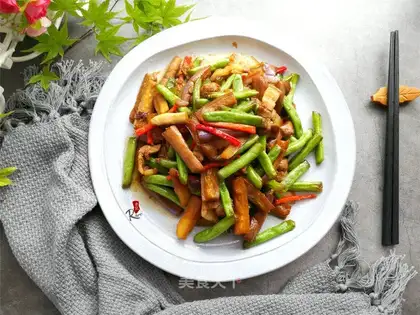
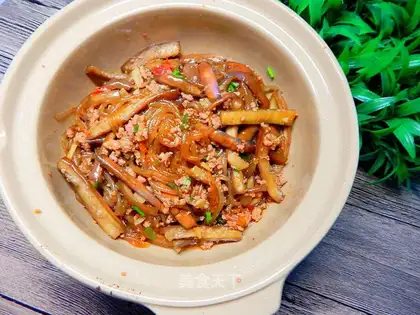
In the vibrant tapestry of global cuisine, few vegetables embody the balance of flavor, versatility, and nutrition quite like the Chinese eggplant, affectionately known as qiezi in Mandarin and often referred to as "line eggplant" in English for its elongated, slender shape. With its glossy, deep-purple skin, creamy white flesh, and ability to absorb flavors like a sponge, this humble vegetable has transcended its origins in ancient China to become a staple in kitchens worldwide. Yet, beyond its culinary appeal lies a nutritional powerhouse packed with vitamins, minerals, and bioactive compounds that offer a myriad of health benefits. This article delves into the nutritional profile of Chinese eggplant, explores its scientifically supported health benefits, and outlines important precautions to maximize its safety and efficacy.
I. Nutritional Value: A Treasure Trove of Essential Nutrients
Chinese eggplant (Solanum melongena var. serpentium) is low in calories yet rich in essential nutrients, making it an ideal choice for health-conscious individuals. A 100-gram serving of raw Chinese eggplant contains approximately 25 calories, 0.2 grams of fat, and 1.8 grams of dietary fiber, with virtually no cholesterol. Its nutritional density, however, lies in its abundance of vitamins, minerals, and phytochemicals.
1. Vitamins: Boosting Immunity and Metabolism
Chinese eggplant is a notable source of B vitamins, particularly vitamin B6 (pyridoxine) and folate (vitamin B9). Vitamin B6 plays a critical role in metabolism, aiding in the breakdown of proteins, fats, and carbohydrates, and supporting brain function by producing neurotransmitters like serotonin and dopamine. Folate, essential for DNA synthesis and cell division, is particularly vital during pregnancy, as it helps prevent neural tube defects in fetuses.
The vegetable also provides a modest amount of vitamin C (about 2.2 mg per 100 grams), an antioxidant that supports immune function, skin health, and collagen production. While not as rich in vitamin C as citrus fruits or bell peppers, its contribution to a balanced diet should not be overlooked.
2. Minerals: Supporting Bone and Cardiovascular Health
Minerals are another highlight of Chinese eggplant’s nutritional profile. It is a good source of potassium (about 229 mg per 100 grams), an electrolyte that regulates fluid balance, nerve signals, and muscle contractions. Potassium also helps counteract the effects of sodium, lowering blood pressure and reducing the risk of cardiovascular disease— a key benefit for modern diets often high in processed foods.
Additionally, Chinese eggplant contains manganese (0.2 mg per 100 grams), a mineral that supports bone formation, wound healing, and antioxidant defense. It also provides small amounts of magnesium, iron, and calcium, all of which play roles in energy production, oxygen transport, and bone density.
3. Phytochemicals: The Antioxidant Power of Nasunin
The deep-purple skin of Chinese eggplant is rich in anthocyanins, the pigments responsible for its vibrant color. Among these, nasunin—a type of anthocyanin unique to eggplant—stands out for its potent antioxidant properties. Nasunin has been shown to neutralize free radicals, unstable molecules that cause oxidative stress and damage cells, contributing to chronic diseases like cancer and heart disease.
Research also indicates that nasunin may protect brain cell membranes from oxidative damage, potentially reducing the risk of neurodegenerative diseases such as Alzheimer’s. Beyond anthocyanins, Chinese eggplant contains chlorogenic acid, another antioxidant with anti-inflammatory and blood-sugar-lowering effects.
II. Health Benefits: Beyond Nutrition
The combination of vitamins, minerals, and phytochemicals in Chinese eggplant translates to a range of evidence-based health benefits, from improved heart health to better blood sugar control.
1. Supports Cardiovascular Health
Heart disease remains a leading global cause of death, and dietary choices play a crucial role in prevention. Chinese eggplant’s high potassium content helps relax blood vessels, reducing strain on the cardiovascular system. Its fiber content, particularly soluble fiber, binds to cholesterol in the digestive system, preventing its absorption and lowering LDL ("bad") cholesterol levels.
Moreover, the chlorogenic acid in eggplant has been linked to reduced blood pressure. A 2019 study published in the Journal of Agricultural and Food Chemistry found that chlorogenic acid inhibited the enzyme angiotensin-converting enzyme (ACE), which constricts blood vessels. By blocking this enzyme, chlorogenic acid helps promote vasodilation, lowering blood pressure naturally.
2. Aids in Blood Sugar Management
For individuals with diabetes or prediabetes, maintaining stable blood sugar levels is paramount. Chinese eggplant is a low-glycemic index (GI) food, meaning it causes a gradual rise in blood sugar rather than a spike. Its fiber content slows carbohydrate digestion, preventing rapid increases in glucose after meals.
Chlorogenic acid further enhances blood sugar control by improving insulin sensitivity. A 2017 review in Nutrients highlighted that chlorogenic acid can reduce insulin resistance, making it easier for cells to absorb glucose from the bloodstream. This dual effect—low GI and enhanced insulin sensitivity—makes Chinese eggplant a valuable addition to diabetic diets.
3. Promotes Weight Management
With just 25 calories per 100 grams and high water content (over 90%), Chinese eggplant is a filling, low-calorie option for weight management. Its fiber content promotes satiety, reducing overall calorie intake by curbing hunger. Additionally, the vegetable’s versatility allows it to replace higher-calorie ingredients; for example, grilled eggplant can serve as a low-calorie base for dishes instead of rice or bread.
4. Enhances Digestive Health
Dietary fiber is essential for a healthy digestive system, and Chinese eggplant delivers 1.8 grams per 100 grams. Fiber adds bulk to stool, preventing constipation and promoting regular bowel movements. It also acts as a prebiotic, feeding beneficial gut bacteria that support immune function and overall gut health.
5. Fights Oxidative Stress and Inflammation
Chronic inflammation and oxidative stress are underlying factors in many diseases, including cancer, arthritis, and aging. The anthocyanins and chlorogenic acid in Chinese eggplant possess potent anti-inflammatory and antioxidant properties. A 2020 study in Food & Function found that eggplant extract reduced markers of inflammation in human cells, suggesting its potential role in preventing inflammatory conditions.
Nasunin, in particular, has been studied for its ability to protect against lipid peroxidation, a process where free radicals damage cell membranes. This protection is especially important for brain health, as the brain is highly susceptible to oxidative stress.
III. Precautions and Potential Side Effects
While Chinese eggplant offers numerous health benefits, certain precautions must be taken to avoid adverse effects. These primarily revolve around its solanine content, preparation methods, and individual sensitivities.
1. Solanine: A Natural Toxin in Nightshades
Chinese eggplant belongs to the nightshade family (Solanaceae), which also includes tomatoes, potatoes, and bell peppers. Nightshades contain solanine, a glycoalkaloid toxin produced as a defense mechanism against pests. While solanine levels in ripe eggplant are generally low, they can increase in unripe or improperly stored eggplant.
Excessive solanine intake can cause symptoms like nausea, diarrhea, headache, and in severe cases, neurological effects. To minimize solanine risk:
- Choose ripe eggplant with firm, glossy skin and no green patches (green discoloration indicates high solanine).
- Store eggplant in a cool, dark place and consume within 3–5 days of purchase.
- Avoid eating leaves or stems, where solanine is most concentrated.
2. Oxalates and Kidney Stones
Chinese eggplant contains oxalates, naturally occurring compounds that can bind to calcium and form kidney stones in susceptible individuals. While moderate consumption is safe for most people, those with a history of calcium oxalate kidney stones should limit their intake. Cooking eggplant can reduce oxalate levels by 5–15%, making it a safer option for high-risk individuals.
3. Preparation Matters: Avoiding Excessive Oil
Chinese eggplant is highly absorbent, making it a favorite for stir-fries and curries. However, this property can lead to excessive oil absorption if cooked improperly. Frying eggplant in large amounts of oil can significantly increase its calorie and fat content, negating its weight management benefits. To minimize oil intake:
- Grill, bake, or roast eggplant instead of frying.
- Salt sliced eggplant and let it sit for 20–30 minutes before cooking to draw out excess water, reducing oil absorption.
- Use cooking sprays or minimal oil when stir-frying.
4. Allergic Reactions
While rare, some individuals may be allergic to eggplant, particularly those with sensitivities to other nightshades. Symptoms can include itching, swelling, or digestive distress. If a known nightshade allergy exists, eggplant should be avoided.
IV. Conclusion: Embracing the Purple Powerhouse
Chinese eggplant is more than just a versatile culinary ingredient; it is a nutritional and medicinal treasure. Its rich array of vitamins, minerals, and phytochemicals—from blood-pressure-lowering potassium to brain-protecting nasunin—makes it a valuable ally in promoting cardiovascular health, blood sugar control, and digestive wellness. However, like all foods, it must be consumed mindfully: choosing ripe, fresh eggplant, preparing it healthily, and being aware of individual sensitivities ensures its benefits are fully realized.
In a world where processed foods dominate, Chinese eggplant stands as a reminder of nature’s ability to nourish and heal. Whether grilled, stir-fried, or baked, this purple vegetable offers a delicious way to enhance both the flavor and nutritional quality of our diets. As research continues to uncover its therapeutic potential, one thing is clear: the humble line eggplant is a true powerhouse of health, waiting to take its place in the spotlight of global nutrition.