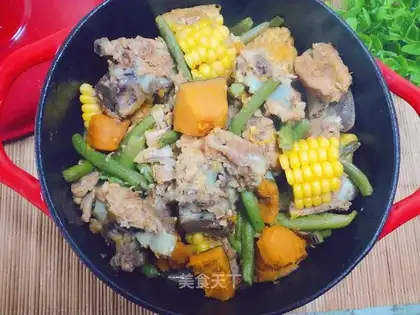
Corn, a staple crop cultivated for millennia, has evolved into countless varieties, each with unique characteristics. Among them, sticky corn (also known as glutinous corn or waxy corn) stands out for its distinctively sweet, chewy texture and versatility in both savory and sweet dishes. Beyond its culinary appeal, sticky corn packs a impressive nutritional profile, offering a range of health benefits. However, like all foods, it should be consumed mindfully to avoid potential drawbacks. This article explores the nutritional value, health benefits, and precautions associated with sticky corn, providing a comprehensive guide for incorporating this wholesome ingredient into a balanced diet.
I. Nutritional Value of Sticky Corn
Sticky corn derives its name from the waxy substance (amylopectin) in its endosperm, a type of starch that gives it a sticky, gelatinous texture when cooked. This composition not only defines its culinary uses but also contributes to its nutritional richness. A 100-gram serving of boiled sticky corn (approximately half an ear) contains approximately:
- Calories: 86 kcal, making it a moderate-calorie option for those managing weight.
- Carbohydrates: 19 grams, with the majority being complex starches (amylopectin) and natural sugars (sucrose, glucose, and fructose). Unlike refined grains, sticky corn’s carbs are digested slowly, providing sustained energy.
- Dietary Fiber: 2 grams, including both soluble and insoluble fiber. Fiber aids digestion, promotes gut health, and helps regulate blood sugar levels.
- Protein: 3 grams, a modest amount but valuable for plant-based diets. Corn protein is incomplete (lacking lysine and tryptophan), but pairing it with legumes or whole grains can enhance its protein quality.
- Vitamins:
- Vitamin B1 (Thiamine): Essential for energy metabolism; 10% of the Daily Value (DV) per serving.
- Vitamin B5 (Pantothenic Acid): Supports adrenal function and hormone production.
- Vitamin B6: Important for brain health and red blood cell formation.
- Folate (Vitamin B9): Critical for cell division and fetal development; 6% of DV per serving.
- Minerals:
- Magnesium: Involved in over 300 enzymatic reactions, including muscle and nerve function.
- Phosphorus: Supports bone health and energy production.
- Potassium: Helps regulate blood pressure and fluid balance.
- Zinc: Boosts immune function and wound healing.
- Antioxidants: Sticky corn contains carotenoids like lutein and zeaxanthin, which protect eye health, and phenolic compounds that combat oxidative stress.
This combination of macronutrients, micronutrients, and antioxidants makes sticky corn a nutrient-dense addition to a varied diet.
II. Health Benefits of Sticky Corn
The nutritional profile of sticky corn translates into several evidence-based health benefits, spanning from digestive support to chronic disease prevention.
1. Sustained Energy Release
Thanks to its high amylopectin content, sticky corn is a slow-digesting carbohydrate. Unlike simple sugars, which cause rapid spikes in blood sugar, amylopectin breaks down gradually, providing a steady supply of energy. This makes it an ideal food for athletes, active individuals, or anyone seeking to avoid energy crashes.
2. Digestive Health
The fiber in sticky corn promotes regular bowel movements by adding bulk to stool and feeding beneficial gut bacteria. Soluble fiber, in particular, forms a gel-like substance in the digestive tract, which helps alleviate constipation and may reduce the risk of diverticulitis. Additionally, the resistant starch in cooked and cooled sticky corn acts as a prebiotic, nourishing probiotics and supporting a healthy gut microbiome.
3. Blood Sugar Management
Despite its natural sweetness, sticky corn has a moderate glycemic index (GI) of 55–65, meaning it raises blood sugar levels gradually when consumed in moderation. The fiber and amylopectin slow glucose absorption, making it a suitable option for people with type 2 diabetes or insulin resistance. However, portion control is key—overconsumption can still lead to blood sugar spikes.
4. Heart Health
Sticky corn’s potassium content helps counteract the effects of sodium, lowering blood pressure and reducing the risk of hypertension. Its fiber also binds to cholesterol in the digestive system, preventing its absorption and helping to lower LDL (“bad”) cholesterol. Furthermore, the antioxidants in corn reduce inflammation, a key driver of heart disease.
5. Eye Health
Lutein and zeaxanthin, the primary carotenoids in sticky corn, accumulate in the retina and act as natural sunscreens, protecting against age-related macular degeneration (AMD) and cataracts. These antioxidants filter harmful blue light and neutralize free radicals that damage eye cells.
6. Immune Support
The zinc and vitamin C in sticky corn (especially when consumed fresh) bolster immune function. Zinc is essential for the development of immune cells, while vitamin C enhances their activity and supports skin integrity, acting as a barrier against pathogens.
7. Weight Management
As a low-calorie, high-fiber food, sticky corn promotes satiety, reducing overall calorie intake. Its chewy texture also slows eating, giving the brain more time to register fullness. Incorporating sticky corn into meals can help prevent overeating and support long-term weight management.
III. Culinary Uses and Versatility
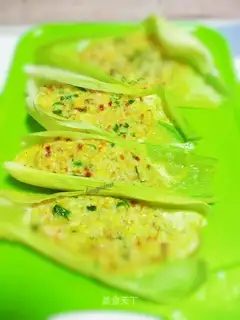
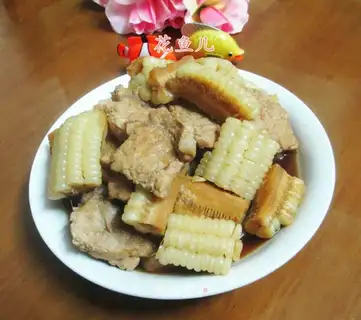
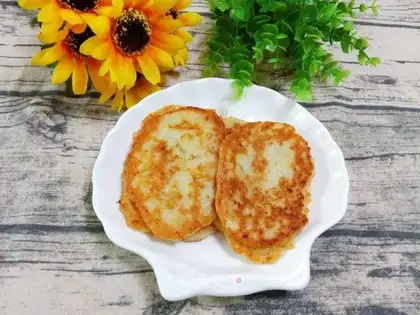
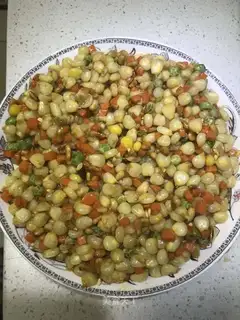
Sticky corn’s unique texture makes it a favorite in global cuisines. In East Asia, it is often steamed or boiled and served as a street food snack, sometimes seasoned with soy sauce, chili, or butter. In Mexico, it is used in tamales and esquites (corn salad), while in the American South, it appears in creamed corn or cornbread. Its natural sweetness also lends itself to desserts, such as corn pudding or ice cream.
For maximum nutritional retention, sticky corn is best cooked using methods that preserve heat-sensitive vitamins, such as steaming or boiling. Cooking and cooling it before consumption increases its resistant starch content, which offers additional gut health benefits.
IV. Precautions and Potential Drawbacks
While sticky corn is a nutritious food, certain groups should consume it with caution:
1. High Carbohydrate Content
Individuals with diabetes or insulin resistance should monitor portion sizes, as excessive intake can still elevate blood sugar. A serving size of ½ ear (100 grams) is generally recommended.
2. Phytates and Mineral Absorption
Corn contains phytates, compounds that can inhibit the absorption of iron, zinc, and calcium. Soaking or fermenting corn (e.g., in making pozole or sourdough cornbread) reduces phytate levels and improves mineral bioavailability.
3. Mycotoxin Contamination
Corn is susceptible to fungal infections, such as Aspergillus, which produces aflatoxins—carcinogenic compounds. To minimize risk, purchase corn from reputable sources, store it in a cool, dry place, and avoid moldy kernels.
4. Gluten-Free but Not Always Cross-Contamination-Free
While naturally gluten-free, sticky corn may be contaminated with gluten during processing if shared equipment with wheat, barley, or rye is used. People with celiac disease should choose certified gluten-free corn products.
5. Allergies
Corn allergies are rare but can cause symptoms such as hives, digestive distress, or anaphylaxis. Individuals with a known corn allergy should avoid sticky corn and corn-derived products.
V. Conclusion
Sticky corn is more than just a delicious side dish—it is a nutritional powerhouse offering sustained energy, digestive support, heart and eye health benefits, and more. Its versatility in cooking makes it easy to incorporate into meals, while its moderate glycemic index and fiber content make it suitable for most diets. However, mindful consumption is essential, particularly for those with diabetes, gluten sensitivities, or concerns about phytates and mycotoxins. By understanding its benefits and precautions, anyone can enjoy sticky corn as a wholesome, flavorful addition to a balanced diet.
In a world where processed foods dominate, sticky corn reminds us of the value of whole, unadulterated ingredients. Whether steamed, grilled, or baked, this humble grain continues to nourish generations, proving that nature’s simplest foods are often the most powerful.