Water bamboo (Zizania latifolia), known as jiaobai in Chinese, is a semi-aquatic vegetable cherished for its crisp texture, subtle sweetness, and versatility in cuisines across Asia and beyond. Often referred to as "water bamboo" or "wild rice," this aquatic plant has been a dietary staple for millennia, valued not only for its culinary appeal but also for its impressive nutritional profile and medicinal properties. From ancient Chinese medicine to modern nutritional science, water bamboo has emerged as a "functional food"—a whole food that offers health benefits beyond basic nutrition. This article explores the nutritional value of water bamboo, its evidence-based health benefits, and important precautions to consider when incorporating it into your diet.
I. Nutritional Value of Water Bamboo
Water bamboo is a low-calorie, nutrient-dense vegetable, making it an excellent choice for those seeking to maintain a healthy weight or boost their intake of essential vitamins and minerals. A 100-gram serving of cooked water bamboo (approximately 1 cup) contains roughly 22 calories, 0.1 grams of fat, 5 grams of carbohydrates, and 2 grams of fiber, with nearly 1 gram of protein. Its nutritional composition is particularly notable for its richness in key micronutrients and bioactive compounds.
1. Essential Vitamins
Water bamboo is a good source of several B vitamins, which play critical roles in energy metabolism and nervous system function. It contains notable amounts of:
- Vitamin B6 (Pyridoxine): Essential for amino acid metabolism and neurotransmitter synthesis, with 100 grams providing about 10% of the daily recommended intake (DRI).
- Folate (Vitamin B9): Crucial for DNA synthesis, cell division, and fetal development, water bamboo offers around 15% of the DRI per 100 grams, making it a valuable food for pregnant individuals when cooked properly.
- Vitamin C: While levels vary with cooking, raw water bamboo contains small amounts of vitamin C, an antioxidant that supports immune function and skin health.
2. Key Minerals
The vegetable is also rich in essential minerals, including:
- Potassium: A 100-gram serving provides approximately 300 mg of potassium, important for regulating blood pressure, fluid balance, and muscle function.
- Manganese: Water bamboo is an excellent source of manganese, with 100 grams meeting over 20% of the DRI. This mineral acts as a cofactor for enzymes involved in bone formation, antioxidant defense, and metabolism.
- Magnesium and Phosphorus: It contains moderate amounts of these minerals, which are vital for energy production, bone health, and nerve signaling.
3. Dietary Fiber and Bioactive Compounds
Water bamboo is high in dietary fiber, particularly insoluble fiber, which promotes digestive health by adding bulk to stool and preventing constipation. Additionally, it contains unique bioactive compounds, such as polyphenols and flavonoids, which possess antioxidant and anti-inflammatory properties. These compounds help neutralize harmful free radicals, reducing oxidative stress and lowering the risk of chronic diseases.
II. Health Benefits of Water Bamboo
The combination of vitamins, minerals, fiber, and bioactive compounds in water bamboo contributes to a range of health benefits, supported by both traditional use and modern research.
1. Supports Digestive Health
The high fiber content in water bamboo is a cornerstone of its digestive benefits. Insoluble fiber stimulates bowel movements, preventing constipation and promoting a healthy gut microbiome. Moreover, water bamboo contains resistant starch, a type of fiber that acts as a prebiotic, feeding beneficial gut bacteria and improving overall gut health. Studies suggest that a fiber-rich diet may also reduce the risk of colorectal cancer, making water bamboo a valuable addition to a cancer-preventive diet.
2. Promotes Heart Health
Water bamboo’s low calorie and high potassium content make it heart-healthy. Potassium helps counteract the effects of sodium, reducing blood pressure and lowering the risk of hypertension—a major risk factor for heart disease and stroke. Additionally, the vegetable’s polyphenols have been shown to inhibit LDL (bad) cholesterol oxidation, preventing plaque buildup in arteries. A diet rich in vegetables like water bamboo is associated with a reduced risk of cardiovascular diseases, according to research published in the Journal of the American Heart Association.
3. Aids in Weight Management
For individuals aiming to lose or maintain weight, water bamboo is an ideal food. Its low calorie density (22 calories per 100 grams) combined with high fiber content promotes satiety, helping to curb overeating. The fiber slows digestion, keeping you feeling full longer and reducing cravings for unhealthy snacks. Incorporating water bamboo into meals can also help stabilize blood sugar levels, preventing energy crashes and the urge to snack between meals.
4. Regulates Blood Sugar Levels
Water bamboo’s low glycemic index (GI) and high fiber make it a suitable food for people with diabetes or those at risk of developing the condition. The fiber slows the absorption of sugar in the bloodstream, preventing sharp spikes in blood glucose levels. A 2018 study in the Journal of Medicinal Food found that polyphenols extracted from water bamboo enhanced insulin sensitivity, further supporting its role in blood sugar management.
5. Boosts Immune Function
While not as famous as citrus fruits for vitamin C, water bamboo still contributes to immune health, especially when consumed raw or lightly cooked. Its antioxidant compounds, including flavonoids and vitamin C, help protect immune cells from oxidative damage, enhancing their ability to fight infections. Additionally, the vegetable’s zinc content (moderate levels) supports immune cell development and function.
6. Anti-Inflammatory and Anticancer Properties
Chronic inflammation is linked to numerous diseases, including cancer, diabetes, and arthritis. Water bamboo’s polyphenols and flavonoids exhibit potent anti-inflammatory effects by inhibiting pro-inflammatory enzymes like COX-2. Research also suggests that these compounds may suppress the growth of cancer cells. A 2020 study in Food & Function found that water bamboo extract inhibited the proliferation of colon cancer cells in vitro, highlighting its potential as a complementary anticancer agent.
7. Supports Bone Health
Water bamboo’s manganese and magnesium content makes it beneficial for bone health. Manganese is essential for the synthesis of collagen and bone matrix, while magnesium aids in calcium absorption and bone mineralization. Regular consumption of water bamboo, as part of a balanced diet rich in calcium and vitamin D, may help prevent osteoporosis, especially in older adults.
III. Culinary Uses and Preparation Tips
Water bamboo’s versatility in the kitchen makes it a favorite among chefs and home cooks alike. Its crisp, tender texture and mild, slightly sweet flavor pair well with a variety of ingredients. Here are some popular ways to prepare it:
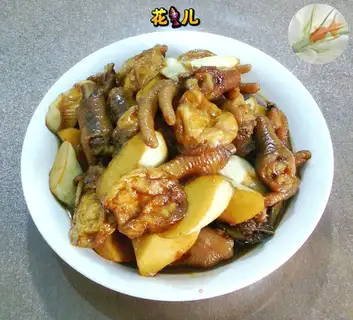
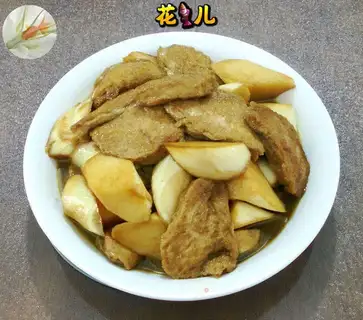
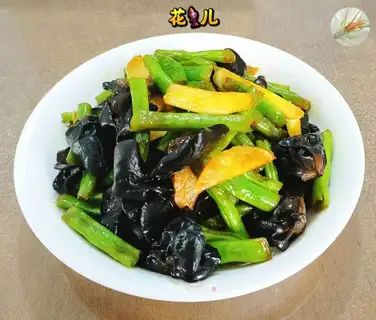
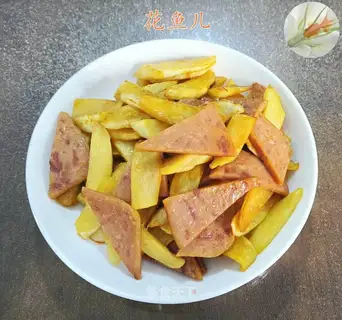
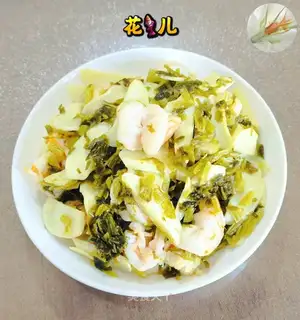
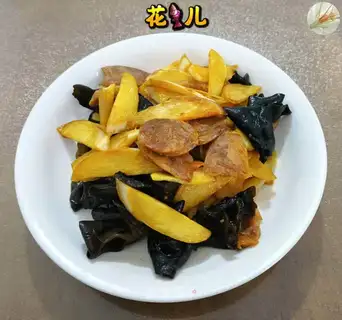
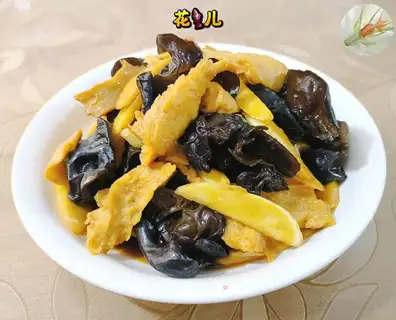
- Stir-fries: Sliced water bamboo is commonly stir-fried with garlic, ginger, and proteins like shrimp, chicken, or tofu. It absorbs flavors well while retaining its crunch.
- Soups and Stews: Adding water bamboo to soups (e.g., hot and sour soup) or stews enhances texture and adds a subtle sweetness.
- Salads: Raw or blanched water bamboo can be julienned and added to salads for a refreshing crunch.
- Pickled: In many Asian cuisines, water bamboo is pickled with vinegar, sugar, and spices as a condiment or side dish.
To maximize its nutritional benefits, avoid overcooking water bamboo, as excessive heat can degrade heat-sensitive vitamins like vitamin C and folate. Light steaming or stir-frying for 2–3 minutes is ideal to preserve its nutrients and crisp texture.
IV. Precautions and Potential Side Effects
While water bamboo is generally safe for most people, there are important precautions to consider:
1. Edible vs. Inedible Varieties
Not all water bamboo is edible. The wild variety (Zizania latifolia) produces a gall caused by a fungus (Ustilago esculenta), which is the part consumed as a vegetable. However, the fungus can produce toxic compounds if the water bamboo is overripe or improperly stored. Always purchase water bamboo from reputable sources and avoid eating it if it has a slimy texture or off smell.
2. Goitrogenic Compounds
Like cruciferous vegetables (e.g., broccoli, cabbage), water bamboo contains goitrogens—compounds that can interfere with thyroid function by inhibiting iodine uptake. While cooking reduces goitrogen levels, individuals with thyroid conditions (e.g., hypothyroidism) should consume water bamboo in moderation and ensure adequate iodine intake from other sources (e.g., iodized salt, seafood).
3. Pesticide Residues
As an aquatic vegetable, water bamboo may be exposed to pesticides or heavy metals if grown in contaminated water. Choose organic or sustainably sourced water bamboo when possible, and wash it thoroughly before consumption.
4. Allergic Reactions
Although rare, some individuals may be allergic to water bamboo, experiencing symptoms like itching, swelling, or digestive discomfort. If you are trying water bamboo for the first time, start with a small portion and monitor for adverse reactions.
V. Conclusion
Water bamboo is a nutritional powerhouse that offers a wide range of health benefits, from supporting digestive and heart health to regulating blood sugar and reducing inflammation. Its low calorie, high fiber, and rich micronutrient profile make it an excellent addition to a balanced diet, while its culinary versatility ensures it can be enjoyed in countless dishes. However, like all foods, it should be consumed in moderation, with attention to potential risks such as goitrogenic effects and pesticide exposure. By incorporating water bamboo into your diet mindfully, you can harness its nutritional power and enhance your overall well-being.
As research continues to uncover the health-promoting properties of this humble vegetable, water bamboo is poised to gain recognition as a "superfood" in the global culinary and health landscape. Whether stir-fried, steamed, or pickled, this aquatic gem is a testament to the idea that some of the most potent health remedies are also the most delicious.