In the vast landscape of global cuisine, certain ingredients transcend mere sustenance to become cultural icons. Among them, zha cai (榨菜), a preserved mustard green from China, stands out as a testament to the ingenuity of food preservation and its profound impact on both flavor and health. Often relegated to a simple garnish or side dish, this unassuming vegetable boasts a rich nutritional profile, diverse health benefits, and a set of important considerations for consumption. This article explores the nutritional value of zha cai, its potential health benefits, and the precautions one should take when incorporating it into a balanced diet.
I. Nutritional Value of Zha Cai: A Concentrated Source of Essential Nutrients
Zha cai is made by pickling mustard green stalks with salt, spices, and sometimes chili, then fermenting and sun-drying the mixture. This process not only extends its shelf life but also concentrates its nutritional content, making it a potent source of vitamins, minerals, and bioactive compounds.
1. Rich in Vitamins and Minerals
Mustard greens, the primary ingredient of zha cai, are already nutrient-dense, and the preservation process enhances their availability. A 100-gram serving of zha cai typically contains:
- Vitamin A: Essential for vision, immune function, and cell growth. Zha cai provides beta-carotene, which the body converts into vitamin A, supporting eye health and reducing the risk of age-related macular degeneration.
- Vitamin C: A powerful antioxidant that boosts collagen production, aids wound healing, and enhances iron absorption. While fermentation slightly reduces vitamin C levels compared to fresh greens, zha cai remains a notable source.
- Vitamin K: Critical for blood clotting and bone metabolism. Just one serving can meet over 20% of the daily recommended intake, making it beneficial for bone health.
- B Vitamins: Including folate (B9), which is vital for DNA synthesis and cell division, particularly during pregnancy.
- Minerals: Zha cai is rich in potassium (for blood pressure regulation), calcium (for bone strength), iron (for oxygen transport), and magnesium (for muscle and nerve function). Its sodium content, however, is significantly higher due to the pickling process, a factor that requires mindful consumption (discussed later).
2. Dietary Fiber and Probiotics
The fermentation process involved in making zha cai promotes the growth of beneficial bacteria, similar to kimchi or sauerkraut. These probiotics support gut health by maintaining a balanced microbiome, improving digestion, and enhancing immune function. Additionally, zha cai contains dietary fiber, which aids in satiety, regulates bowel movements, and helps control blood sugar levels.
3. Antioxidants and Bioactive Compounds
Mustard greens are rich in glucosinolates, sulfur-containing compounds that break down into isothiocyanates (ITCs) when chewed or fermented. ITCs have been studied for their anti-inflammatory, anticancer, and antimicrobial properties. Zha cai also contains flavonoids and phenolic acids, which combat oxidative stress by neutralizing free radicals, reducing the risk of chronic diseases like heart disease and diabetes.
II. Health Benefits of Zha Cai: Beyond Flavor
The nutritional profile of zha cai translates into a range of health benefits, making it more than just a flavorful condiment.
1. Supports Digestive Health
The probiotics in fermented zha cai promote a healthy gut environment by inhibiting the growth of harmful bacteria and enhancing nutrient absorption. For individuals with lactose intolerance or those seeking plant-based probiotics, zha cai offers a viable alternative to dairy-based fermented products. The fiber content further aids digestion by preventing constipation and supporting regular bowel movements.
2. Boosts Immune Function
The combination of vitamin C, vitamin A, and probiotics in zha cai strengthens the immune system. Vitamin C stimulates the production of white blood cells, while vitamin A maintains the integrity of mucosal barriers (such as those in the respiratory and digestive tracts). Probiotics, in turn, modulate immune responses, reducing the severity and duration of infections like the common cold.
3. Enhances Heart Health
Potassium, a key mineral in zha cai, helps counteract the effects of sodium by regulating blood pressure and reducing strain on the cardiovascular system. The fiber in zha cai also lowers LDL (“bad”) cholesterol levels, while antioxidants like flavonoids prevent the oxidation of cholesterol, a key step in the development of atherosclerosis. Regular consumption, in moderation, may thus reduce the risk of hypertension and heart disease.
4. Aids in Weight Management
Zha cai is low in calories but high in fiber and umami flavor, which enhances satiety and reduces overall calorie intake. The probiotics may also influence metabolism by improving gut health and reducing inflammation, both of which are linked to obesity. For those looking to manage their weight, zha cai can be a flavorful addition to meals without adding significant calories.
5. Potential Anticancer Properties
The isothiocyanates derived from glucosinolates in zha cai have been studied for their role in cancer prevention. These compounds exhibit chemopreventive effects by inhibiting the growth of cancer cells, promoting apoptosis (programmed cell death), and reducing inflammation. While more human studies are needed, laboratory research suggests that regular consumption of cruciferous vegetables like mustard greens may lower the risk of certain cancers, including colorectal and lung cancer.
III. Precautions and Considerations: Moderation is Key
While zha cai offers numerous health benefits, its preservation process introduces certain considerations that must be addressed to avoid adverse effects.
1. High Sodium Content
The most significant concern with zha cai is its high sodium content, resulting from the pickling process. A 100-gram serving can contain 2,000–3,000 mg of sodium, exceeding the World Health Organization’s (WHO) recommended daily intake of less than 2,000 mg. Excessive sodium consumption is linked to hypertension, kidney disease, and an increased risk of stroke. Individuals with high blood pressure, kidney issues, or cardiovascular problems should limit their intake of zha cai and opt for low-sodium varieties when available.
2. Potential for Nitrite Formation
During fermentation, nitrates naturally present in vegetables can convert into nitrites, especially if the process is not properly controlled. Nitrites can react with amines in the body to form nitrosamines, compounds classified as carcinogens. However, reputable manufacturers use controlled fermentation and additives like vitamin C (which inhibits nitrosamine formation) to minimize this risk. Consumers should purchase zha cai from trusted sources and avoid homemade versions unless proper food safety practices are followed.
3. Impact on Digestive Sensitivity
While probiotics benefit most people, individuals with irritable bowel syndrome (IBS) or inflammatory bowel disease (IBD) may experience discomfort from fermented foods. The high fiber and spice content in some zha cai varieties can exacerbate symptoms like bloating, gas, or diarrhea. Such individuals should start with small amounts and monitor their body’s response.
4. Interaction with Medications
The high potassium content in zha cai may pose a risk for individuals taking certain medications, such as ACE inhibitors, potassium-sparing diuretics, or beta-blockers. These medications can increase potassium levels in the blood, leading to hyperkalemia (a condition characterized by muscle weakness, irregular heartbeat, or cardiac arrest). Patients on such medications should consult their healthcare provider before consuming zha cai regularly.
IV. Incorporating Zha Cai into a Balanced Diet
To reap the benefits of zha cai while minimizing risks, consider the following tips:
- Moderation: Limit consumption to 1–2 servings per week, especially if you have hypertension or kidney issues.
- Pairing with Low-Sodium Foods: Balance zha cai’s sodium content by pairing it with potassium-rich foods like bananas, spinach, or sweet potatoes, which help counteract sodium’s effects.
- Choosing Low-Sodium Varieties: Some brands offer reduced-sodium zha cai, which is a healthier option for those monitoring their salt intake.
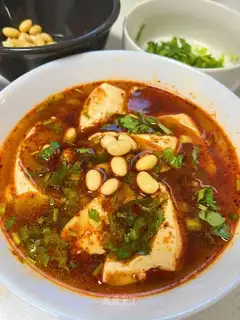
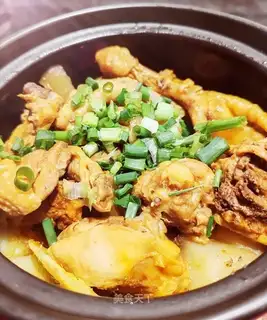
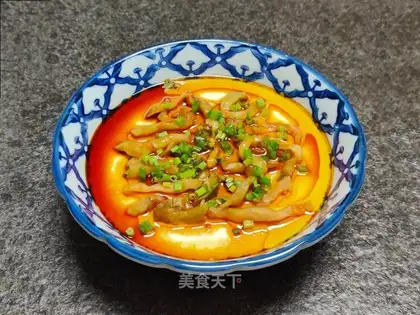
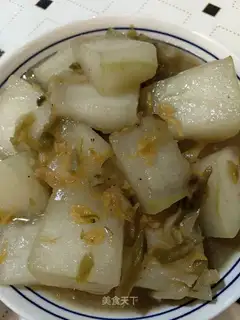
- Creative Uses: Add zha cai to stir-fries, soups, salads, or sandwiches for a burst of flavor without relying on excessive salt or oil. Its umami taste can also enhance plant-based dishes, reducing the need for meat or artificial flavorings.
Conclusion
Zha cai, often overlooked in the global pantry, is a nutritional powerhouse that offers a unique blend of vitamins, minerals, probiotics, and antioxidants. Its health benefits, from improved digestion to enhanced immune function, make it a valuable addition to a balanced diet. However, its high sodium content and potential risks for certain individuals necessitate mindful consumption. By understanding its nutritional profile, benefits, and precautions, we can harness the power of this humble ingredient to elevate both our meals and our health. As the saying goes, “Good food is the foundation of genuine happiness”—and with zha cai, that happiness is both flavorful and nourishing.