Introduction
Nestled beneath the murky waters of ponds, marshes, and paddy fields, the water chestnut (Eleocharis dulcis)—known as 马蹄 in Mandarin or biqi in ancient Chinese texts—is a humble yet extraordinary aquatic vegetable that has sustained civilizations for millennia. With its crisp, apple-like flesh and subtle sweet-nutty flavor, this humble tuber has transcended its origins as a staple food in ancient Asia to become a global symbol of both culinary versatility and nutritional excellence. Often referred to as the “cabbage of the water,” water chestnuts are more than just a crunchy addition to stir-fries or holiday dishes; they are a nutritional powerhouse packed with vitamins, minerals, antioxidants, and unique bioactive compounds. This article delves into the rich nutritional profile of water chestnuts, their evidence-based health benefits, culinary versatility, and important precautions to ensure safe and enjoyable consumption.
I. Nutritional Profile: A Treasure Trove of Essential Nutrients
Water chestnuts are a low-calorie, nutrient-dense food that offers a remarkable balance of macronutrients, vitamins, and minerals while being naturally fat-free and low in sodium. A 100-gram serving of raw water chestnuts (approximately 6–8 pieces) contains approximately 60 calories, 15.4 grams of carbohydrates, and 3 grams of fiber—making them an excellent choice for weight management and digestive health. Their carbohydrate content is primarily in the form of complex carbs and resistant starch, a type of fiber that resists digestion in the small intestine, promoting gut health and blood sugar regulation.
A. Vitamins: Boosting Immunity and Vitality
Water chestnuts are a rich source of essential vitamins that support overall health:
- Vitamin B6: Critical for brain function, mood regulation, and metabolism, vitamin B6 is abundant in water chestnuts. A 100-gram serving provides about 0.15 milligrams (around 12% of the daily recommended intake), aiding in neurotransmitter synthesis and red blood cell production.
- Potassium: With approximately 300 milligrams per 100 grams, water chestnuts are a potent source of potassium—an electrolyte vital for maintaining fluid balance, regulating blood pressure, and supporting muscle and nerve function. This makes them particularly beneficial for individuals with hypertension or those aiming to reduce sodium intake.
- Vitamin C: Though not as high as citrus fruits, water chestnuts still contain a modest amount of vitamin C (about 4 milligrams per 100 grams), which acts as an antioxidant, boosts immune cell activity, and aids in collagen synthesis for healthy skin and joints.
- Riboflavin (B2) and Folate: These B vitamins play key roles in energy metabolism and DNA synthesis, with water chestnuts contributing small but meaningful amounts to daily requirements.
B. Minerals: Building Blocks for Health
Beyond potassium, water chestnuts offer a spectrum of essential minerals:
- Manganese: A trace mineral crucial for antioxidant defense, bone health, and wound healing, manganese is found in significant quantities in water chestnuts (about 0.2 milligrams per 100 grams).
- Copper: Required for iron absorption, collagen formation, and nervous system function, copper is present in water chestnuts, supporting cardiovascular and immune health.
- Iron: While not a top source of iron, water chestnuts still contribute to daily intake, particularly when combined with vitamin C-rich foods to enhance absorption.
C. Antioxidants and Bioactive Compounds
The true standout of water chestnuts is their antioxidant content. They are rich in phenolic compounds, including ferulic acid and p-coumaric acid, which neutralize harmful free radicals and reduce oxidative stress—a key driver of chronic diseases like cancer, diabetes, and heart disease. Additionally, water chestnuts contain flavonoids, which have anti-inflammatory properties and may protect against cellular damage. Their high water content (over 80%) also contributes to hydration, making them a refreshing choice in hot climates.
II. Health Benefits: From Ancient Remedies to Modern Science
For centuries, traditional Chinese medicine (TCM) has revered water chestnuts for their cooling, detoxifying properties, using them to treat ailments like sore throats, fevers, and digestive issues. Modern research has now validated many of these traditional claims, highlighting evidence-based health benefits that make water chestnuts a valuable addition to a balanced diet.
A. Supports Digestive Health and Gut Microbiome
The high fiber and resistant starch content in water chestnuts are a boon for digestive health. Resistant starch acts as a prebiotic, feeding beneficial gut bacteria (such as Bifidobacteria and Lactobacillus) and promoting a healthy gut microbiome. A balanced microbiome is linked to improved immunity, reduced inflammation, and a lower risk of digestive disorders like irritable bowel syndrome (IBS) and colon cancer. Fiber also adds bulk to stool, preventing constipation and supporting regular bowel movements.
B. Regulates Blood Sugar and Manages Diabetes
Water chestnuts have a low glycemic index (GI) of approximately 60, meaning they cause a gradual rise in blood sugar levels rather than a spike. Their resistant starch content further enhances blood sugar control by slowing digestion and glucose absorption. Studies suggest that replacing high-GI foods with low-GI alternatives like water chestnuts can improve insulin sensitivity and reduce the risk of type 2 diabetes. For individuals with diabetes, water chestnuts offer a delicious way to satisfy cravings without compromising blood sugar control.
C. Boosts Heart Health
The combination of potassium, fiber, and antioxidants in water chestnuts makes them heart-healthy. Potassium helps counteract the effects of sodium, lowering blood pressure and reducing the strain on the cardiovascular system. Fiber, particularly soluble fiber, binds to cholesterol in the digestive tract, preventing its absorption and lowering LDL (“bad”) cholesterol levels. Antioxidants, on the other hand, protect LDL cholesterol from oxidation—a process that contributes to plaque buildup in arteries (atherosclerosis) and increases the risk of heart attacks and strokes.
D. Enhances Immune Function and Reduces Inflammation
The antioxidants and vitamin C in water chestnuts play a key role in immune support. Vitamin C stimulates the production and function of white blood cells, the body’s primary defense against infections. Meanwhile, phenolic compounds and flavonoids exhibit potent anti-inflammatory effects, reducing chronic inflammation associated with conditions like arthritis, asthma, and metabolic syndrome. Regular consumption of water chestnuts may thus help the body fight off infections and mitigate the risk of inflammatory diseases.
E. Promotes Weight Management and Hydration
With just 60 calories per 100 grams and high water content, water chestnuts are an ideal food for weight management. Their fiber and water content increase satiety, reducing overall calorie intake by curbing hunger. Additionally, their crunchy texture satisfies the desire for “crunchy” snacks (often high in calories and unhealthy fats), making them a smart alternative to chips or processed snacks. Staying hydrated is also crucial for metabolism, and water chestnuts contribute to daily fluid needs, supporting energy levels and physical performance.
F. Supports Skin and Hair Health
The vitamin C and antioxidants in water chestnuts are beneficial for skin health. Vitamin C is essential for collagen production, a protein that maintains skin elasticity and prevents wrinkles. Antioxidants protect skin cells from damage caused by UV radiation and pollution, reducing signs of aging. Moreover, the water content in water chestnuts helps keep the skin hydrated, while minerals like copper support melanin production, promoting healthy hair and preventing premature graying.
III. Culinary Uses: From Savory to Sweet, Raw to Cooked
Water chestnuts are celebrated for their culinary versatility, offering a unique crunch and mild flavor that complements a wide range of dishes. Whether eaten raw, boiled, grilled, or pickled, they add texture and depth to both savory and sweet preparations.
A. Raw: A Crisp, Refreshing Snack
Raw water chestnuts have a crisp, apple-like texture and a slightly sweet, nutty flavor, making them a popular snack in many Asian countries. They are often peeled and eaten plain or dipped in chili sauce, soy sauce, or sesame dressing for a flavorful, low-calorie treat. In Western cuisine, raw water chestnuts are sometimes added to salads or slaws to provide a crunchy contrast to leafy greens and soft vegetables.
B. Cooked: A Staple in Asian Cuisine
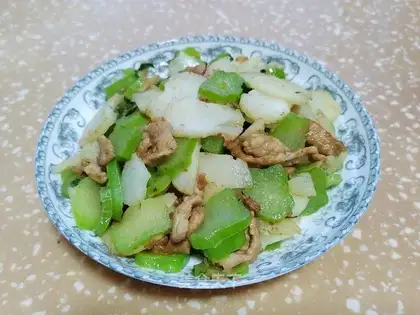
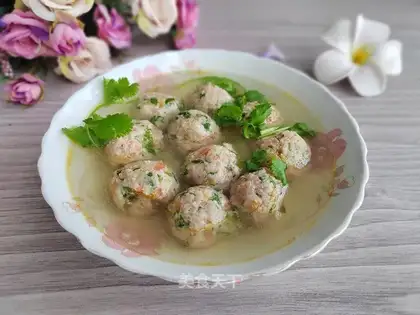
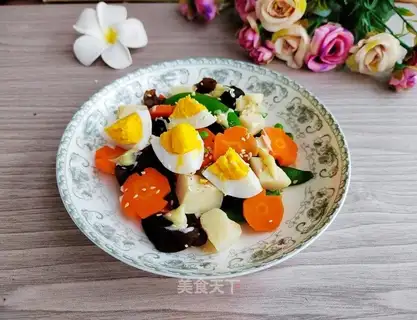
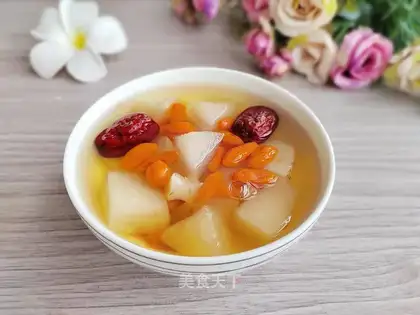
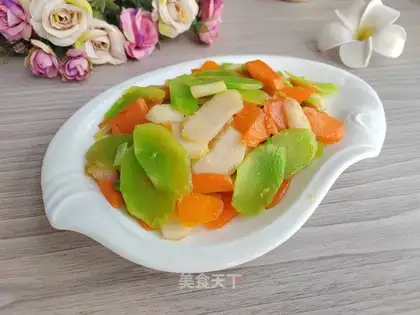
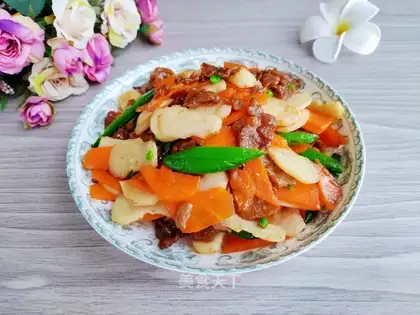
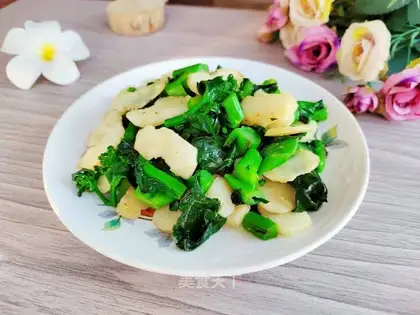
Cooking water chestnuts softens their texture slightly while retaining a pleasant crunch, making them a favorite in stir-fries, curries, and soups. In Chinese cuisine, they are a key ingredient in dim sum dishes like har gow (shrimp dumplings) and char siu bao (BBQ pork buns), where their crunch balances the richness of the fillings. They are also used in hot and sour soup to add texture and absorb the flavors of the broth. In Thai and Vietnamese cooking, water chestnuts are added to curries and salads, providing a refreshing counterpoint to spicy and tangy flavors.
C. Pickled and Canned: Convenience and Longevity
Pickled water chestnuts are a popular snack in Japan and China, marinated in a mixture of vinegar, sugar, and spices to create a tangy, crunchy delicacy. Canned water chestnuts, widely available in supermarkets, offer a convenient alternative to fresh ones, with a longer shelf life and pre-peeled ease. They are often used in Western dishes like stuffed mushrooms, casseroles, and fruit salads, adding crunch without the need for preparation.
D. Sweet Treats and Desserts
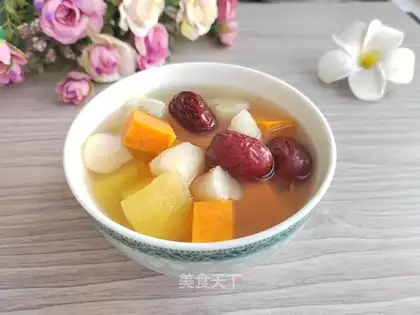
Water chestnuts are not limited to savory dishes—they are also used in sweet preparations, particularly in Asian cuisine. In China, they are a key ingredient in tanghulu (candied hawthorns), where they are skewered, coated in a sugar syrup, and served as a sweet, crunchy snack. In India, water chestnuts are ground into a flour to make singhara atta, used to make pancakes, breads, and desserts during fasting periods. Their mild sweetness makes them a versatile ingredient in puddings, ice creams, and fruit salads.
IV. Precautions and Potential Side Effects
While water chestnuts are generally safe for most people, there are a few precautions to keep in mind to ensure optimal consumption and avoid adverse effects.
A. Allergic Reactions
Although rare, some individuals may be allergic to water chestnuts, particularly those with allergies to other nuts (such as peanuts or almonds) or aquatic plants. Symptoms of an allergic reaction may include itching, hives, swelling, difficulty breathing, or anaphylaxis. If you experience these symptoms after consuming water chestnuts, seek medical attention immediately.
B. Digestive Discomfort
The high fiber and resistant starch content in water chestnuts may cause digestive discomfort in some individuals, particularly those with sensitive stomachs or irritable bowel syndrome (IBS). Symptoms may include bloating, gas, or diarrhea. To minimize these effects, start with small portions and gradually increase intake, ensuring adequate hydration to help fiber move through the digestive tract.
C. Contamination Risks
Water chestnuts grow in aquatic environments, which may be contaminated with bacteria, parasites, or heavy metals if the water is polluted. To reduce the risk of contamination, always purchase water chestnuts from reputable sources and wash them thoroughly before consumption. If possible, choose organic or sustainably grown water chestnuts to minimize exposure to pesticides and pollutants.
D. Interaction with Medications
Water chestnuts contain potassium, which may interact with certain medications, particularly potassium-sparing diuretics (e.g., spironolactone) or ACE inhibitors (e.g., lisinopril), used to treat high blood pressure or heart failure. Individuals taking these medications should consult their healthcare provider before increasing their intake of potassium-rich foods like water chestnuts to avoid hyperkalemia (high potassium levels).
E. Not Suitable for Everyone
People with certain medical conditions, such as kidney disease or those on a potassium-restricted diet, should limit their consumption of water chestnuts due to their high potassium content. Additionally, infants and young children should be given water chestnuts in moderation, as their digestive systems may not be able to handle the high fiber content.
Conclusion
From the ancient ponds of Asia to the modern global table, water chestnuts have stood the test of time as a nutritional and culinary gem. Their impressive array of vitamins, minerals, antioxidants, and fiber makes them a valuable addition to a healthy diet, offering benefits ranging from improved digestion and blood sugar control to enhanced immunity and heart health. Their versatility in the kitchen—from raw snacks to stir-fries and desserts—ensures that they can be enjoyed in countless ways, adding crunch, flavor, and nutrition to any meal.
However, as with any food, moderation and awareness are key. By understanding the potential precautions—such as allergic reactions, digestive discomfort, and contamination risks—individuals can safely harness the power of water chestnuts to support their health and well-being. Whether you’re a health enthusiast, a culinary adventurer, or simply someone looking for a delicious and nutritious snack, water chestnuts are a humble yet extraordinary ingredient that truly deserves its place as a “nutritional powerhouse of the swamp.”
In a world where processed foods and empty calories dominate, water chestnuts remind us that the simplest, most natural foods often hold the greatest potential for health and vitality. So the next time you reach for a crunchy snack or stir-fry ingredient, consider the water chestnut—not just for its flavor, but for the centuries of wisdom and modern science that confirm its status as a true superfood.