Taro, a starchy tuber cultivated for thousands of years across tropical and subtropical regions, comes in many varieties—but one stands out for its exceptional flavor and nutritional profile: the槟榔芋 (binglang yu), or "betel nut taro." Named for its resemblance to the betel nut, this variety, native to Southern China and widely grown in Fujian, Guangdong, and Taiwan, is prized for its dense, creamy texture and subtle sweetness. More than just a culinary delight,槟榔芋 is a nutritional powerhouse, offering a range of health benefits when consumed mindfully. However, like many foods, it requires proper preparation and awareness of potential risks. This article explores the nutritional value, health benefits, and precautions associated with槟榔芋, providing a comprehensive guide for incorporating this versatile ingredient into a balanced diet.
I. Nutritional Value of槟榔芋
槟榔芋 belongs to the Colocasia esculenta species and is distinguished by its oblong shape, purplish-brown skin, and flesh that ranges from white to light purple. Its nutritional composition is a blend of complex carbohydrates, dietary fiber, vitamins, minerals, and bioactive compounds, making it a valuable addition to a healthy diet.
1. Carbohydrates and Energy
As a starchy tuber,槟榔芋 is rich in complex carbohydrates, which serve as the body’s primary source of energy. Unlike simple sugars, these carbohydrates are digested slowly, providing sustained energy release and preventing blood sugar spikes. A 100-gram serving of cooked槟榔芋 contains approximately 23 grams of carbohydrates, including 3-4 grams of dietary fiber. This makes it a suitable energy source for athletes, active individuals, and those seeking to manage weight through satiety.
2. Dietary Fiber
Fiber is a standout nutrient in槟榔芋, with one cooked cup (about 160 grams) providing 6-7 grams of fiber—nearly 25% of the daily recommended intake. Fiber is essential for digestive health, promoting regular bowel movements, preventing constipation, and supporting a healthy gut microbiome. Additionally, soluble fiber in taro helps lower LDL ("bad") cholesterol levels by binding to bile acids in the digestive tract, reducing their reabsorption into the bloodstream.
3. Vitamins and Minerals
槟榔芋 is a good source of essential vitamins and minerals that support overall health:
- Vitamin C: A potent antioxidant, vitamin C (present in about 10% of the daily value per cup) boosts immune function, aids collagen synthesis for skin health, and enhances iron absorption.
- Vitamin B6: Critical for brain development, metabolism, and neurotransmitter production, vitamin B6 (around 15% of the daily value per cup) helps regulate mood and cognitive function.
- Potassium: With 600-700 milligrams of potassium per cup,槟榔芋 rivals bananas as a potassium-rich food. This mineral is vital for maintaining fluid balance, regulating blood pressure, and supporting muscle and nerve function.
- Magnesium: Involved in over 300 enzymatic reactions, magnesium (about 10% of the daily value per cup) supports bone health, muscle relaxation, and blood sugar control.
- Iron: Though not as high as in red meat, taro provides non-heme iron (about 10% of the daily value per cup), which is enhanced by vitamin C for better absorption. Iron is essential for oxygen transport and energy production.
- Manganese: A trace mineral important for antioxidant defense, bone formation, and metabolism, manganese contributes to 15-20% of the daily value per cup of槟榔芋.
4. Bioactive Compounds
Beyond macronutrients and micronutrients,槟榔芋 contains bioactive compounds such as polyphenols and flavonoids, which exhibit antioxidant and anti-inflammatory properties. These compounds help neutralize free radicals, reducing oxidative stress and lowering the risk of chronic diseases like heart disease, diabetes, and certain cancers.
II. Health Benefits of槟榔芋
The unique nutritional composition of槟榔芋 translates into a range of health benefits, from improved digestion to enhanced immune function.
1. Supports Digestive Health
The high fiber content in槟榔芋 is a boon for digestive health. Fiber adds bulk to stool, promoting regularity and preventing conditions like diverticulitis and hemorrhoids. Moreover, taro contains resistant starch, a type of fiber that acts as a prebiotic, feeding beneficial gut bacteria. A healthy gut microbiome is linked to better digestion, improved immunity, and even mental health, thanks to the gut-brain axis.
2. Regulates Blood Sugar Levels
Despite its starchy nature,槟榔芋 has a moderate glycemic index (GI) of around 50, meaning it causes a slower, more gradual rise in blood sugar compared to high-GI foods like white bread or potatoes. This is attributed to its fiber and resistant starch content, which slow carbohydrate digestion and glucose absorption. For individuals with diabetes or those at risk, incorporating槟榔芋 into meals (in place of refined grains) can help improve blood sugar control.
3. Boosts Immune Function
The combination of vitamin C, vitamin B6, and antioxidants in槟榔芋 strengthens the immune system. Vitamin C stimulates the production of white blood cells, which are critical for fighting infections, while antioxidants like polyphenols reduce inflammation and protect immune cells from damage. Regular consumption of taro may help reduce the frequency and duration of common illnesses, such as colds and flu.
4. Promotes Heart Health
槟榔芋’s heart-healthy benefits stem from its potassium and fiber content. Potassium counteracts the effects of sodium, helping to relax blood vessels and lower blood pressure—a key factor in reducing the risk of stroke and heart disease. Meanwhile, soluble fiber binds to cholesterol in the digestive tract, preventing its absorption and lowering LDL cholesterol levels. The low sodium content of taro (around 5-10 milligrams per cup) further supports cardiovascular health.
5. Enhances Brain Function
Vitamin B6 and magnesium in槟榔芋 play crucial roles in brain health. Vitamin B6 is involved in the synthesis of neurotransmitters like serotonin and dopamine, which regulate mood, sleep, and cognitive function. Magnesium, on the other hand, protects brain cells from oxidative stress and supports synaptic plasticity, which is essential for learning and memory. Studies suggest that adequate magnesium intake may reduce the risk of age-related cognitive decline and neurodegenerative diseases.
6. Supports Weight Management
The fiber and water content in槟榔芋 make it a filling food that can aid in weight management. By promoting satiety, taro reduces overall calorie intake, helping to prevent overeating. Additionally, its complex carbohydrates provide sustained energy, reducing cravings for sugary snacks. When included in a balanced diet,槟榔芋 can support healthy weight loss or maintenance efforts.
III. Precautions and Potential Risks
While槟榔芋 offers numerous health benefits, improper preparation or excessive consumption can lead to adverse effects. Understanding these risks is essential for safe consumption.
1. Raw Taro Contains Toxic Compounds
Raw taro, including槟榔芋, contains calcium oxalate crystals and protease inhibitors, which can cause irritation to the mouth, throat, and digestive tract. Calcium oxalate, a needle-like compound, can lead to a burning sensation, swelling, or difficulty swallowing if consumed uncooked. Protease inhibitors, meanwhile, interfere with protein digestion, leading to bloating and discomfort.
Solution: Always cook槟榔芋 thoroughly. Boiling, steaming, or roasting at high temperatures breaks down these compounds, making the tuber safe to eat. Peeling the skin and removing any fibrous parts further reduces the risk of irritation.
2. High Oxalate Content and Kidney Stones
Taro is naturally high in oxalates, compounds that can bind to calcium in the body and form kidney stones in susceptible individuals. People with a history of kidney stones, especially calcium oxalate stones, should limit their intake of taro and other high-oxalate foods (e.g., spinach, nuts).
Solution: Moderate consumption is key. For most people, 1-2 servings of cooked槟榔芋 per week is safe. Those with kidney issues should consult a healthcare provider before including taro in their diet.
3. Allergic Reactions
Though rare, some individuals may be allergic to taro, experiencing symptoms such as itching, hives, swelling, or difficulty breathing. Cross-reactivity with other allergens like latex (latex-fruit syndrome) is possible, as taro contains proteins similar to those found in latex.
Solution: Individuals with a known taro allergy or latex sensitivity should avoid consuming it. First-time tasters should start with a small amount to check for adverse reactions.
4. Weight Gain from Excessive Consumption
While槟榔芋 can support weight management when eaten in moderation, its high carbohydrate content (23 grams per 100 grams) can contribute to weight gain if consumed in large quantities. Overeating taro, especially when paired with high-calorie toppings (e.g., butter, sugar), can lead to excess calorie intake and weight gain.
Solution: Practice portion control. A serving size of cooked taro is typically ½ to 1 cup (80-160 grams), depending on individual calorie needs. Balance taro meals with lean proteins, healthy fats, and non-starchy vegetables for a well-rounded diet.
IV. Culinary Uses and Incorporation into the Diet
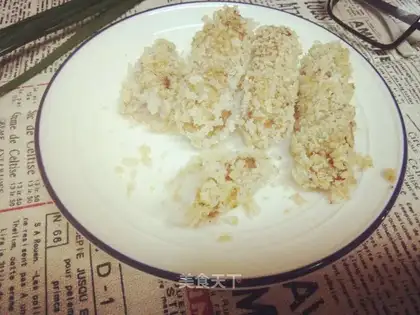
槟榔芋’s versatility makes it a staple in many cuisines, from traditional Chinese dishes to modern fusion recipes. Its creamy texture and mild sweetness lend themselves to both sweet and savory preparations:
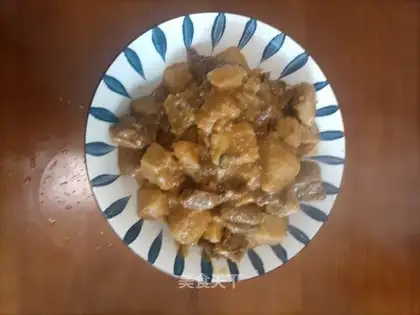
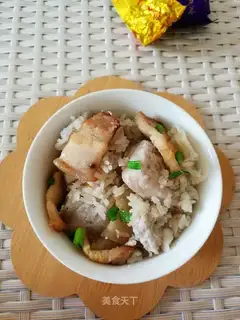
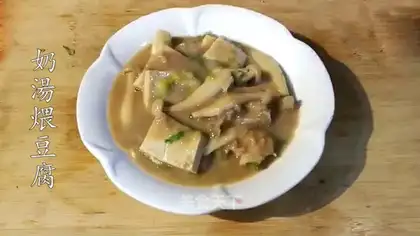
- Savory Dishes: In Southern China,槟榔芋 is often steamed and mashed with soy sauce, sesame oil, and scallions as a side dish. It is also used in soups, stews, and curries, where it absorbs flavors while adding thickness and body. A popular dish is "芋头扣肉" (tou rou), where taro is layered with braised pork and steamed until tender.
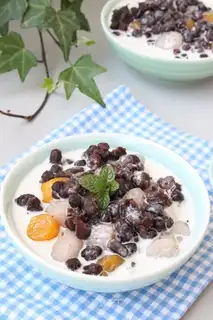
- Sweet Treats:槟榔芋 is a key ingredient in desserts like "芋圆" (yuan), chewy taro balls added to bubble tea or sweet soups. It is also used in cakes, puddings, and ice cream, where its natural sweetness reduces the need for added sugar.
- Gluten-Free Alternative: For those with celiac disease or gluten sensitivity, taro flour can be used as a gluten-free thickener or baking ingredient, replacing wheat flour in recipes.
To maximize its nutritional benefits, prioritize cooking methods like steaming or boiling over deep-frying, which can add unnecessary calories and unhealthy fats. Pair槟榔芋 with vitamin C-rich foods (e.g., bell peppers, citrus fruits) to enhance iron absorption.
V. Conclusion
槟榔芋 is more than just a delicious root vegetable—it is a nutritional powerhouse that supports digestive health, immune function, heart health, and more. Its rich fiber, vitamin, and mineral content, combined with its versatility in cooking, make it a valuable addition to a balanced diet. However, proper preparation (thorough cooking) and moderation are essential to avoid potential risks such as oxalate-related issues or allergic reactions. By understanding its benefits and precautions, individuals can enjoy槟榔芋 as a safe and nutritious staple, reaping its rewards for long-term health and well-being. Whether in a savory stir-fry or a sweet dessert,槟榔芋 offers a unique blend of flavor and nutrition that has stood the test of time.