Introduction
Allium chinense, commonly known as fatty onion, long root onion, or in some regions as "jiao tou" (荞头), is a perennial plant belonging to the Allium genus, alongside garlic, onions, and leeks. Prized for its unique pungent flavor, crisp texture, and versatility in culinary applications, this ingredient has been a staple in Asian cuisines for centuries. Beyond its gastronomic appeal, fatty onion is increasingly recognized for its impressive nutritional profile and potential health-promoting properties. Rich in bioactive compounds, vitamins, and minerals, it offers a range of benefits, from supporting cardiovascular health to boosting immunity. However, like many Allium vegetables, it also carries certain precautions, particularly for individuals with specific health conditions. This article provides a comprehensive exploration of the nutritional value, health benefits, and dietary considerations of fatty onion, offering insights into how to incorporate this humble ingredient into a balanced diet.
Nutritional Value of Fatty Onion
Fatty onion is a nutrient-dense food, offering a low-calorie yet rich source of essential vitamins, minerals, and phytochemicals. Its nutritional composition makes it a valuable addition to a healthy diet, contributing to both macronutrient and micronutrient intake.
Macronutrients
A 100-gram serving of fresh fatty onion contains approximately 34 calories, making it a low-energy-dense food. It is composed of about 89% water, 8.6 carbohydrates, 2.6 grams of dietary fiber, and 1.1 grams of protein. While it is not a significant source of fat or protein, its fiber content supports digestive health, and its low calorie count makes it suitable for weight management diets.
Vitamins
Fatty onion is a notable source of several vitamins, particularly those with antioxidant and anti-inflammatory properties. It is rich in vitamin C (ascorbic acid), with 100 grams providing around 18 mg, roughly 20% of the daily recommended intake (DRI) for adults. Vitamin C is essential for collagen synthesis, immune function, and protection against oxidative stress. Additionally, it contains smaller amounts of B vitamins, including folate (vitamin B9), which plays a critical role in DNA synthesis and cell division, and vitamin B6, which supports metabolism and nervous system health.
Minerals
The vegetable is a good source of essential minerals, including potassium, manganese, and iron. Potassium, at approximately 240 mg per 100 grams, helps regulate blood pressure and fluid balance by counteracting the effects of sodium. Manganese, a trace mineral, acts as a cofactor for enzymes involved in bone formation, antioxidant defense, and metabolism. Iron, though present in smaller quantities (around 1.2 mg per 100 grams), is vital for oxygen transport in the blood and prevention of anemia.
Phytochemicals
The most significant health benefits of fatty onion are attributed to its phytochemical content, particularly sulfur compounds and flavonoids. Like garlic and onions, fatty onion contains organosulfur compounds such as allicin, diallyl disulfide, and S-allyl cysteine. These compounds are responsible for its characteristic pungent aroma and are known for their antimicrobial, anti-inflammatory, and cholesterol-lowering effects. Additionally, fatty onion is rich in flavonoids, including quercetin and kaempferol, which are potent antioxidants that protect cells from damage caused by free radicals.
Health Benefits of Fatty Onion
The combination of vitamins, minerals, and phytochemicals in fatty onion contributes to a range of health benefits. Research suggests that regular consumption may support various body systems, from cardiovascular health to immune function.
Cardiovascular Health Support
One of the most well-documented benefits of fatty onion is its positive impact on heart health. The organosulfur compounds in fatty onion help lower LDL (low-density lipoprotein) cholesterol, often referred to as "bad" cholesterol, while increasing HDL (high-density lipoprotein) cholesterol, or "good" cholesterol. This balance reduces the risk of atherosclerosis, a condition characterized by the buildup of plaque in arteries, which can lead to heart attacks and strokes.
Allicin, a key sulfur compound, has been shown to inhibit the activity of HMG-CoA reductase, an enzyme involved in cholesterol synthesis. Additionally, the potassium in fatty onion helps relax blood vessels, improving blood flow and reducing blood pressure. A study published in the Journal of Agricultural and Food Chemistry found that regular consumption of Allium vegetables, including fatty onion, was associated with a 20% lower risk of cardiovascular disease due to their combined effects on cholesterol and blood pressure regulation.
Anti-inflammatory and Antioxidant Effects
Chronic inflammation and oxidative stress are underlying factors in many chronic diseases, including cancer, diabetes, and neurodegenerative disorders. Fatty onion is rich in antioxidants, such as quercetin and vitamin C, which neutralize free radicals and reduce inflammation. Quercetin, in particular, has been shown to inhibit the production of pro-inflammatory cytokines, molecules that promote inflammation in the body.
The organosulfur compounds in fatty onion also exhibit anti-inflammatory properties by blocking the activation of NF-κB, a protein complex that regulates the expression of inflammatory genes. By reducing inflammation, fatty onion may help lower the risk of chronic diseases and alleviate symptoms of inflammatory conditions, such as arthritis.
Immune System Boost
Fatty onion’s high vitamin C content makes it a valuable food for immune support. Vitamin C stimulates the production and function of white blood cells, which are critical for fighting infections. It also enhances the skin’s barrier function, preventing pathogens from entering the body.
Additionally, the antimicrobial properties of allicin help combat harmful bacteria, viruses, and fungi. Research has shown that allicin can inhibit the growth of pathogens such as Staphylococcus aureus and Escherichia coli, reducing the risk of infections. Regular consumption of fatty onion may thus help strengthen the immune system, particularly during cold and flu season.
Digestive Health Benefits
The dietary fiber in fatty onion supports digestive health by promoting regular bowel movements and preventing constipation. Fiber adds bulk to stool, facilitating its passage through the digestive tract, and also serves as a prebiotic, nourishing beneficial gut bacteria. A healthy gut microbiome is essential for nutrient absorption, immune function, and overall digestive health.
Furthermore, the phytochemicals in fatty onion may help protect against gastrointestinal disorders. Studies suggest that organosulfur compounds can reduce inflammation in the gut and inhibit the growth of harmful bacteria, such as Helicobacter pylori, which is associated with ulcers and stomach cancer.
Potential Anti-Cancer Properties
While more research is needed, preliminary studies indicate that fatty onion may have anti-cancer effects. The flavonoids and organosulfur compounds in fatty onion have been shown to inhibit the growth of cancer cells and induce apoptosis (programmed cell death) in various types of cancer, including colon, stomach, and breast cancer.
Quercetin, in particular, has been found to block the signaling pathways that promote cancer cell proliferation and metastasis. Additionally, the antioxidant properties of fatty onion help protect DNA from damage caused by free radicals, reducing the risk of mutations that can lead to cancer.
Blood Sugar Regulation
For individuals with diabetes or those at risk of developing the condition, fatty onion may offer benefits for blood sugar control. The organosulfur compounds in fatty onion enhance insulin sensitivity, allowing cells to more effectively use glucose for energy. This helps prevent spikes in blood sugar levels after meals.
A study published in Phytotherapy Research found that supplementation with Allium vegetables improved glycemic control in patients with type 2 diabetes. While more research is needed specifically on fatty onion, its similar composition to other Allium vegetables suggests it may have comparable effects.
Precautions and Potential Side Effects
While fatty onion offers numerous health benefits, it is important to consume it in moderation and be aware of potential side effects, particularly for certain individuals.
Digestive Discomfort
Fatty onion contains fructans, a type of carbohydrate that can be difficult to digest for some people, especially those with irritable bowel syndrome (IBS) or fructose malabsorption. Consuming large amounts of fatty onion may cause symptoms such as bloating, gas, diarrhea, and abdominal pain. Individuals with these conditions should limit their intake and monitor their body’s response.
Interaction with Medications
Fatty onion may interact with certain medications, particularly blood thinners such as warfarin. The vitamin K in fatty onion can counteract the effects of warfarin, increasing the risk of blood clots. Individuals taking blood thinners should consult their healthcare provider before consuming fatty onion regularly and maintain consistent intake to avoid fluctuations in vitamin K levels.
Allergic Reactions
Although rare, some individuals may be allergic to fatty onion or other Allium vegetables. Symptoms of an allergic reaction may include skin rash, itching, swelling, or difficulty breathing. Those with known allergies to onions, garlic, or leeks should avoid fatty onion or consume it with caution.
Pregnancy and Breastfeeding
There is limited research on the safety of fatty onion during pregnancy and breastfeeding. While moderate consumption is likely safe, pregnant or breastfeeding women should consult their healthcare provider before including large amounts of fatty onion in their diet.
Blood Pressure Medications
Due to its potassium content, fatty onion may lower blood pressure. Individuals taking medications for hypertension should monitor their blood pressure levels closely when consuming fatty onion, as combining it with blood pressure-lowering drugs may lead to hypotension (low blood pressure).
Culinary Uses and Incorporation into Diet
Fatty onion is a versatile ingredient used in various cuisines, particularly in Asian cooking. Its bulbs have a crisp texture and a mild, slightly sweet flavor with a hint of pungency, making them suitable for both raw and cooked dishes.
Pickling
One of the most popular ways to prepare fatty onion is by pickling. Pickled fatty onion (known as zha cai in Chinese cuisine) is often served as a side dish or condiment, adding a tangy crunch to meals. To make pickled fatty onion, the bulbs are marinated in a solution of vinegar, sugar, salt, and spices, which preserves them and enhances their flavor.
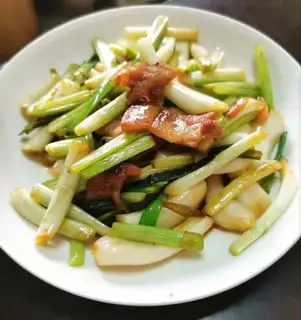
Stir-fries and Soups
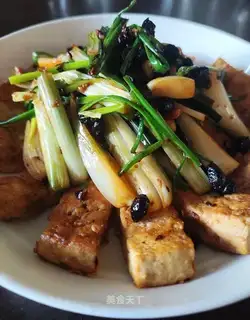
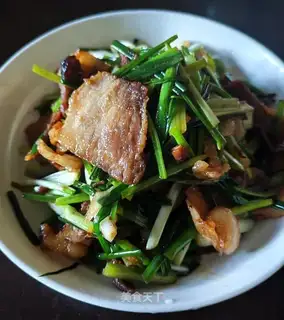
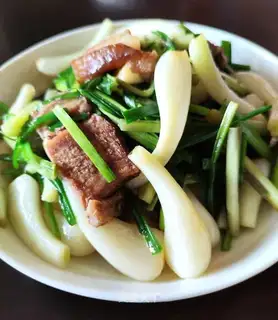
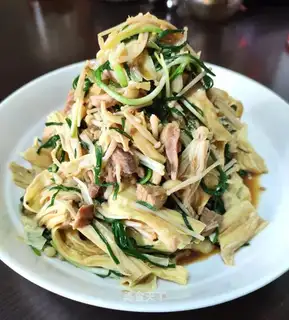
Fatty onion can be stir-fried with vegetables, meat, or seafood, adding flavor and texture to dishes. It is also commonly used in soups and stews, where its mild sweetness complements other ingredients. In Korean cuisine, fatty onion is added to kimchi for added crunch and flavor.
Salads and Garnishes
Fresh fatty onion bulbs can be sliced and added to salads for a crunchy texture and mild pungency. They can also be used as a garnish for soups, stews, or grilled dishes, similar to how scallions are used.
Fermented Products
In some regions, fatty onion is fermented to create condiments such as chawanmushi (a Japanese steamed egg dish) or tsukemono (Japanese pickles). Fermentation enhances the flavor of fatty onion and increases its probiotic content, which supports gut health.
Conclusion
Fatty onion is a nutrient-dense vegetable with a range of health benefits, from supporting cardiovascular health to boosting immunity and reducing inflammation. Its rich content of vitamins, minerals, and phytochemicals makes it a valuable addition to a balanced diet. However, it is important to consume it in moderation and be aware of potential side effects, particularly for individuals with digestive issues, those taking blood thinners, or those with allergies.
By incorporating fatty onion into various dishes, such as pickles, stir-fries, and salads, individuals can enjoy its unique flavor and reap its nutritional benefits. As research on this versatile ingredient continues to grow, fatty onion is likely to gain further recognition as a functional food with significant potential to promote health and well-being.
In summary, fatty onion is more than just a flavorful culinary ingredient—it is a powerhouse of nutrients and bioactive compounds that can contribute to a healthier lifestyle. With its versatility and numerous health benefits, it is a worthy addition to any diet.