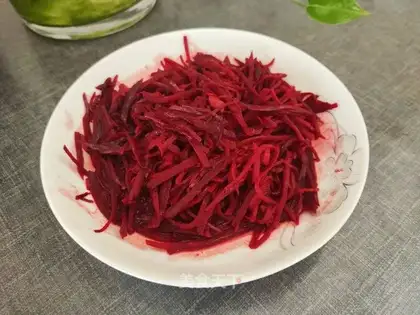
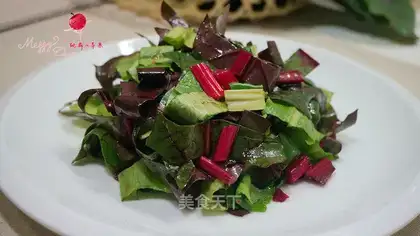
Beets, scientifically known as Beta vulgaris, have been cultivated for thousands of years, tracing their origins to ancient Mediterranean civilizations. Today, this vibrant root vegetable—known for its deep ruby-red hue, earthy flavor, and versatile culinary applications—has transcended its role as a simple side dish to become a celebrated "superfood." From farm-to-table salads to cold-pressed juices, beets are gaining global acclaim not just for their taste but for their exceptional nutritional profile and science-backed health benefits. However, like any potent food, they come with considerations for safe consumption. This article explores the nutritional composition of beets, their diverse health benefits, and important precautions to maximize their potential while minimizing risks.
I. Nutritional Profile: A Treasure Trove of Essential Nutrients
Beets are low in calories but dense in vitamins, minerals, fiber, and bioactive compounds, making them a nutritional standout. A 100-gram serving of cooked beets (approximately half a cup) contains approximately 43 calories, 1.6 grams of protein, 0.2 grams of fat, and 9.6 grams of carbohydrates, including 2.8 grams of fiber—10% of the daily recommended intake for adults. What truly sets them apart, however, is their concentration of micronutrients and phytochemicals.
1. Vitamins and Minerals
Beets are rich in essential vitamins and minerals that support overall health:
- Folate (Vitamin B9): A 100-gram serving provides 148 micrograms (mcg) of folate, or 37% of the daily value. Folate is critical for DNA synthesis, cell repair, and fetal development, making beets a valuable food for pregnant individuals.
- Manganese: Beets are an excellent source of manganese, with 0.3 milligrams (mg) per 100-gram serving (16% of the daily value). This mineral acts as a cofactor for enzymes involved in metabolism, bone formation, and antioxidant defense.
- Potassium: With 325 mg per 100 grams (7% of the daily value), beets contribute to electrolyte balance and blood pressure regulation. Potassium helps counteract the effects of sodium, reducing strain on the cardiovascular system.
- Vitamin C: Though not as abundant as in citrus fruits, beets still provide 4.9 mg of vitamin C per 100 grams (8% of the daily value), a nutrient vital for immune function, collagen synthesis, and iron absorption.
- Iron: Beets contain 0.8 mg of iron per 100 grams (4% of the daily value), a mineral essential for oxygen transport in the blood. When paired with vitamin C (which enhances iron absorption), beets can support individuals with iron-deficiency anemia.
2. Phytochemicals: Betalains and Nitrates
The most unique compounds in beets are betalains, water-soluble pigts responsible for their red, yellow, or purple color. These compounds exhibit potent antioxidant and anti-inflammatory properties, protecting cells from oxidative stress caused by free radicals. Betalains have been studied for their potential to reduce inflammation in conditions like arthritis and may lower the risk of chronic diseases, including cancer.
Equally significant are dietary nitrates, natural compounds converted into nitric oxide (NO) in the body. Nitric oxide is a vasodilator, meaning it relaxes and widens blood vessels, improving blood flow and oxygen delivery to tissues. Beets are one of the richest dietary sources of nitrates, with concentrations of 100–300 mg per 100 grams—far higher than most vegetables. This nitrate content underpins many of their health benefits, from enhanced exercise performance to improved cognitive function.
II. Health Benefits: From Physical Performance to Cognitive Health
The combination of vitamins, minerals, and phytochemicals in beets confers a wide range of health benefits, supported by growing scientific evidence.
1. Enhanced Exercise Performance and Endurance
Beetroot juice has gained popularity among athletes for its ability to boost physical performance. The nitrates in beets increase nitric oxide production, which reduces oxygen consumption during exercise. This means muscles can work more efficiently with less oxygen, delaying fatigue and improving stamina. A 2019 study published in the Journal of the International Society of Sports Nutrition found that cyclists who consumed beetroot juice before exercise improved their time-trial performance by 2.8% and increased endurance by 15%. For recreational and elite athletes alike, beets offer a natural, legal edge to enhance training and competition.
2. Improved Cardiovascular Health
Cardiovascular disease, the leading cause of global mortality, is strongly influenced by blood pressure and vascular function. Beets’ nitric oxide-boosting properties make them a powerful ally for heart health. Multiple studies have shown that regular beet consumption lowers systolic blood pressure (the top number in a blood pressure reading) by 4–10 mmHg, a reduction comparable to some antihypertensive medications. The fiber in beets also helps lower LDL ("bad") cholesterol by binding to bile acids in the digestive system, promoting their excretion and reducing cholesterol reabsorption.
3. Cognitive Function and Brain Health
As we age, blood flow to the brain declines, contributing to cognitive decline and neurodegenerative diseases like Alzheimer’s. Beets’ ability to enhance cerebral blood flow via nitric oxide may help protect brain function. A 2016 study in Nutrition Research found that older adults who consumed beet juice for 14 days showed improved cognitive performance, particularly in attention and executive function. Additionally, the betalains in beets reduce inflammation in the brain, a key driver of neurodegeneration. For students, busy professionals, or older adults, beets may offer a simple way to support mental clarity and focus.
4. Anticancer Potential
While no food can "cure" cancer, beets’ bioactive compounds show promise in preventing and slowing cancer growth. Betalains, such as betanin, have been shown to inhibit the proliferation of cancer cells in laboratory studies, particularly those of the breast, prostate, and colon. A 2014 study in Food & Function found that betanin induced apoptosis (programmed cell death) in colon cancer cells while leaving healthy cells unharmed. The fiber in beets also promotes gut health by feeding beneficial gut bacteria, which produce short-chain fatty acids (SCFAs) that reduce inflammation and protect against colorectal cancer.
5. Detoxification and Liver Health
The liver is the body’s primary detoxification organ, and beets support its function through two key mechanisms: First, betalains stimulate the activity of Phase II detoxification enzymes, which neutralize and eliminate toxins. Second, the fiber in beets binds to toxins in the digestive tract, preventing their reabsorption into the bloodstream. A 2013 study in Journal of Agricultural and Food Chemistry found that beetroot extract increased liver antioxidant enzymes by 30%, enhancing the liver’s ability to detoxify harmful substances like heavy metals and environmental pollutants.
6. Digestive Health and Regularity
With 2.8 grams of fiber per 100 grams, beets are a valuable tool for maintaining digestive health. Fiber adds bulk to stool, promoting regularity and preventing constipation. It also acts as a prebiotic, feeding beneficial gut bacteria like Bifidobacterium and Lactobacillus, which are essential for a healthy gut microbiome. A balanced microbiome is linked to improved immunity, reduced inflammation, and even better mood regulation. For individuals with sensitive digestion, cooked beets are easier to tolerate than raw ones, as cooking breaks down fiber and reduces the risk of bloating.
III. Precautions and Potential Side Effects
While beets are generally safe for most people, their potent nutritional profile means certain individuals should exercise caution.
1. Kidney Stones and Oxalates
Beets are high in oxalates, natural compounds that can bind to calcium in the body, forming kidney stones in susceptible individuals. Those with a history of calcium oxalate kidney stones should limit their beet intake and consult a healthcare provider. Cooking beets reduces oxalate content by 15–30%, making them safer for consumption.
2. Beeturia: A Harmless but Alarming Side Effect
Approximately 10–15% of people experience beeturia, a condition where urine turns pink or red after eating beets. While alarming, beeturia is harmless and temporary, caused by the excretion of betalain pigments. However, in rare cases, it may indicate low stomach acid or impaired iron metabolism, so persistent discoloration warrants medical attention.
3. Blood Pressure Medications
Beets’ ability to lower blood pressure is beneficial for most people, but those taking antihypertensive medications (e.g., ACE inhibitors, diuretics) should monitor their blood pressure closely. Combining beets with medication may cause blood pressure to drop too low, leading to dizziness or lightheadedness. A healthcare provider can help adjust dosages to avoid interactions.
4. Digestive Discomfort
Beets’ high fiber and FODMAP content (fermentable carbohydrates) may cause bloating, gas, or diarrhea in individuals with irritable bowel syndrome (IBS) or sensitive digestion. Cooking beets thoroughly and starting with small portions (e.g., 2–3 tablespoons) can help mitigate these effects.
5. Pesticide Residues
Conventionally grown beets are often treated with pesticides to prevent pest damage. To minimize exposure, choose organic beets when possible, or wash them thoroughly under running water and scrub with a vegetable brush to remove residues.
IV. Practical Tips for Incorporating Beets into Your Diet
To reap the benefits of beets, consider these simple preparation methods:
- Roasted: Toss chopped beets with olive oil, salt, and herbs, then roast at 400°F (200°C) for 45–60 minutes until tender. Roasting enhances their natural sweetness and reduces bitterness.
- Juiced: Beetroot juice is a concentrated source of nitrates and antioxidants. Mix with carrot, apple, or ginger to balance flavor and improve palatability.
- Pickled: Thinly slice raw beets and marinate in vinegar, sugar, and spices for a tangy, crunchy addition to salads and sandwiches.
- Steamed or Boiled: Cooking beets whole (with skin on) preserves nutrients better than peeling first. Once cooked, the skin can be easily rubbed off.
- Raw: Grated beets add color and crunch to salads, or blend them into smoothies for a nutrient boost (start with small amounts to avoid digestive upset).
Conclusion
Beets are more than just a colorful vegetable—they are a nutritional powerhouse with science-backed benefits for exercise performance, cardiovascular health, cognitive function, and more. Their rich content of folate, manganese, fiber, and unique compounds like betalains and nitrates make them a valuable addition to a balanced diet. However, moderation and awareness of precautions—particularly for those with kidney stones, low blood pressure, or digestive sensitivities—are key to safe consumption. Whether roasted, juiced, or pickled, beets offer a delicious and versatile way to enhance health and well-being. As the saying goes, "eat the rainbow," and beets—with their vibrant ruby hue—are a perfect place to start.