Taro, a starchy root vegetable with a history spanning over 2,000 years, has long been a dietary staple in tropical and subtropical regions, from Asia to Africa and the Caribbean. Known scientifically as Colocasia esculenta, this humble tuber, with its rough, brownish skin and creamy white flesh, is more than just a comfort food—it is a nutritional powerhouse packed with vitamins, minerals, and fiber. Revered in traditional medicine and celebrated in global cuisines, taro offers a myriad of health benefits but also requires careful preparation to avoid potential risks. This article explores the nutritional value of taro, its health benefits, and the essential precautions to keep in mind when enjoying this versatile ingredient.
I. Nutritional Profile of Taro: A Treasure Trove of Essential Nutrients
Taro’s nutritional composition makes it a standout among root vegetables. A 100-gram serving of cooked taro (without salt) provides approximately 112 calories, 26 grams of carbohydrates, 2.2 grams of protein, and 1.8 grams of fiber—making it a balanced energy source rich in complex carbohydrates and dietary fiber. What truly sets taro apart, however, is its micronutrient density.
1. Vitamins: Fueling Vital Body Functions
Taro is an excellent source of several B vitamins, which play a critical role in metabolism and energy production. Vitamin B6 (pyridoxine) is abundant in taro, with a 100-gram serving providing around 0.2 milligrams (about 15% of the daily recommended intake). This vitamin is essential for brain development, neurotransmitter synthesis, and immune function. Additionally, taro contains vitamin E, a powerful antioxidant that protects cells from oxidative damage, and vitamin C, though in smaller quantities, which supports collagen production and immune health.
2. Minerals: Building Blocks for Health
Minerals are where taro truly shines. It is particularly rich in potassium, a mineral vital for regulating blood pressure, fluid balance, and muscle contractions. A 100-gram serving of cooked taro contains approximately 465 milligrams of potassium—more than a banana—making it a heart-healthy choice. Taro also provides manganese, which is crucial for bone formation, wound healing, and antioxidant defense. Other notable minerals include magnesium (for nerve and muscle function), copper (for iron absorption and red blood cell production), and iron (essential for preventing anemia).
3. Dietary Fiber: Gut Health and Beyond
Taro’s high fiber content (both soluble and insoluble) supports digestive health by promoting regular bowel movements, preventing constipation, and feeding beneficial gut bacteria. Soluble fiber, in particular, helps lower LDL (“bad”) cholesterol levels and stabilize blood sugar, making taro a valuable food for managing diabetes and heart disease.
4. Resistant Starch: A Prebiotic Powerhouse
Taro contains resistant starch, a type of carbohydrate that resists digestion in the small intestine and ferments in the colon. This fermentation produces short-chain fatty acids (SCFAs), such as butyrate, which nourish colon cells, reduce inflammation, and may lower the risk of colorectal cancer. Resistant starch also improves insulin sensitivity, making taro a smart choice for blood sugar control.
II. Health Benefits of Taro: Beyond Nutrition
The combination of taro’s nutrients and bioactive compounds confers a range of health benefits, from improved digestion to enhanced immune function.
1. Supports Digestive Health
Taro’s fiber and resistant starch work synergistically to promote a healthy gut. Fiber adds bulk to stool, preventing constipation, while resistant starch acts as a prebiotic, stimulating the growth of beneficial bacteria like Lactobacillus and Bifidobacterium. A healthy gut microbiome is linked to better immune function, reduced inflammation, and even improved mood.
2. Regulates Blood Sugar Levels
Unlike refined grains, taro’s complex carbohydrates and resistant starch are digested slowly, preventing rapid spikes in blood sugar. This makes it a suitable food for people with diabetes or those at risk of developing the condition. Studies suggest that resistant starch can improve insulin sensitivity over time, helping to manage blood glucose levels more effectively.
3. Boosts Heart Health
Taro’s high potassium and low sodium content make it a heart-healthy food. Potassium counteracts the effects of sodium by relaxing blood vessel walls, thereby lowering blood pressure. Additionally, taro’s fiber helps reduce LDL cholesterol, while its antioxidants (such as vitamin E and polyphenols) prevent oxidative damage to arteries, reducing the risk of atherosclerosis and heart disease.
4. Strengthens the Immune System
Taro’s vitamin C content, though modest, contributes to immune function by supporting the production of white blood cells and acting as an antioxidant to protect immune cells from damage. Moreover, the prebiotic effects of resistant starch enhance gut immunity, as approximately 70% of the immune system is located in the gut.
5. Promotes Healthy Skin and Hair
The vitamin E in taro is a potent antioxidant that protects skin cells from UV damage and premature aging, while its vitamin C content aids in collagen synthesis, keeping skin firm and elastic. Taro is also a good source of copper, which is essential for melanin production (the pigment that gives hair and skin their color) and may prevent hair graying and loss.
6. Supports Weight Management
Taro’s high fiber and water content increase satiety, helping to curb overeating. A 100-gram serving of cooked taro provides only 112 calories but delivers significant volume, making it a filling food that can aid in weight control. Its resistant starch also boosts metabolism by increasing fat oxidation after meals.
III. Precautions and Potential Risks: How to Safely Enjoy Taro
While taro is highly nutritious, it contains natural compounds that can be harmful if not prepared properly. Understanding these risks and taking simple precautions ensures that taro can be enjoyed safely.
1. Oxalates and Kidney Stones
Taro is high in oxalates, naturally occurring compounds that can bind to calcium in the body and form kidney stones in susceptible individuals. Raw or undercooked taro contains particularly high levels of oxalates, which can also cause irritation to the mouth, throat, and digestive tract. To reduce oxalate content, taro should always be cooked thoroughly—boiling, steaming, or baking until soft. Individuals with a history of kidney stones should consult a doctor before consuming taro regularly.
2. Calcium Oxalate Crystals: "Itchy Mouth" Syndrome
Raw taro contains calcium oxalate crystals, needle-shaped structures that can cause a burning, itching sensation in the mouth, throat, and lips—a condition sometimes called "contact dermatitis" or "itchy mouth syndrome." These crystals are destroyed by heat, so cooking taro thoroughly is non-negotiable. Peeling taro while wearing gloves is also recommended, as the sap can irritate the skin.
3. Allergic Reactions
While rare, some people may be allergic to taro, experiencing symptoms such as itching, hives, swelling, or difficulty breathing. Individuals with a history of allergies to other root vegetables (such as potatoes or sweet potatoes) should exercise caution when trying taro for the first time.
4. Proper Preparation: Peeling, Cooking, and Storage
To safely enjoy taro, follow these steps:
- Peeling: Taro’s skin is tough and should be removed with a knife or vegetable peeler. Wearing gloves is advisable to avoid skin irritation from sap.
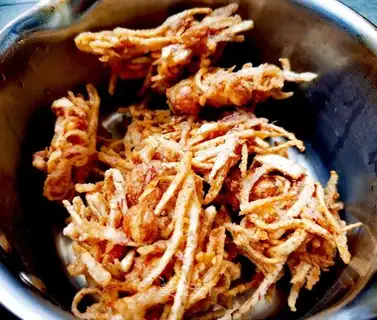
- Cooking: Boil, steam, bake, or fry taro until completely soft. Avoid eating raw or undercooked taro.
- Storage: Store uncooked taro in a cool, dark place (like a pantry) for up to two weeks. Cooked taro can be refrigerated for 3–4 days or frozen for up to six months.
IV. Culinary Uses of Taro: From Traditional to Modern
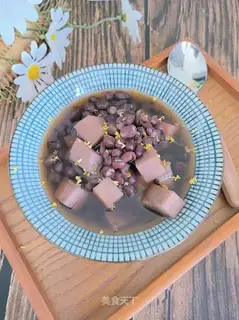
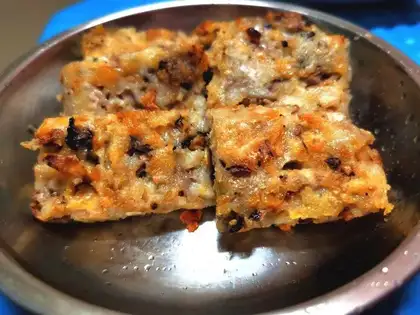
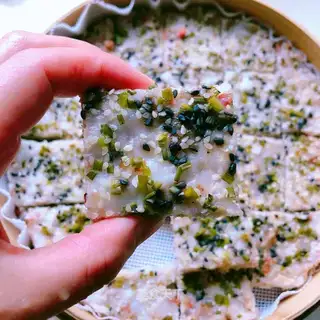
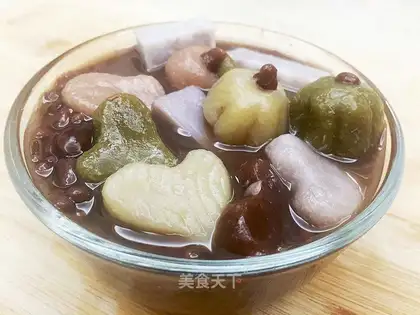
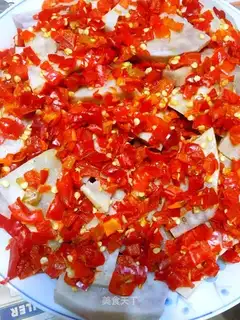
Taro’s versatility in the kitchen makes it a beloved ingredient worldwide. In tropical regions, taro is often boiled and mashed as a side dish, or used in soups and stews. In East Asia, taro is a key ingredient in desserts: in Japan, taro ice cream and imo mochi (sweet taro dumplings) are popular, while in China, taro mooncakes and taro soup are enjoyed during festivals. In the Caribbean, taro is used to make callaloo, a hearty soup with leafy greens and okra.
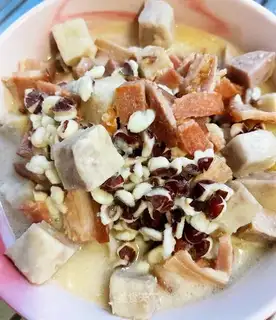
Modern cuisine has embraced taro in innovative ways: taro chips (a healthier alternative to potato chips), taro smoothie bowls (topped with fruits and nuts), and even taro lattes (a creamy, caffeine-free beverage). Its mild, nutty flavor and ability to absorb spices make it adaptable to both sweet and savory dishes.
Conclusion
Taro is far more than a simple root vegetable—it is a nutritional powerhouse, a digestive aid, a heart-healthy food, and a culinary delight. Its rich content of vitamins, minerals, fiber, and resistant starch makes it a valuable addition to a balanced diet, while its versatility allows it to shine in dishes across cultures. However, to reap its benefits safely, taro must be prepared with care: cooking thoroughly to destroy oxalates and calcium oxalate crystals, and peeling carefully to avoid skin irritation. When enjoyed responsibly, taro can be a delicious and nutritious staple that supports overall health and well-being. As global interest in traditional and plant-based foods grows, taro is poised to take its place as a superstar ingredient in the modern kitchen—one that honors its ancient roots while embracing contemporary culinary innovation.