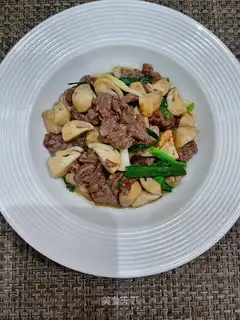
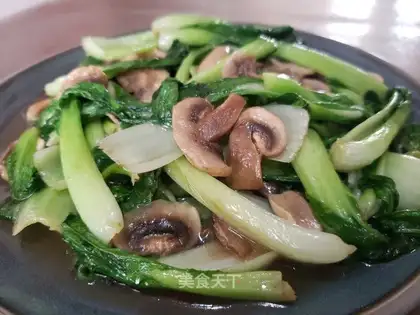
Straw mushrooms (Volvariella volvacea), named for their common cultivation on rice straw, are a widely consumed edible mushroom, particularly in Asian cuisine. With their distinctive convex cap, slender stem, and mild, slightly sweet flavor, they have transcended cultural boundaries to become a staple in soups, stir-fries, and salads. Beyond their culinary appeal, straw mushrooms are celebrated for their impressive nutritional profile and potential health benefits. However, like all foods, they must be consumed with awareness of potential risks. This article explores the nutritional value of straw mushrooms, their evidence-based health benefits, and important precautions to ensure safe and enjoyable consumption.
I. Nutritional Value of Straw Mushrooms
Straw mushrooms are a low-calorie, nutrient-dense food, offering a wealth of essential vitamins, minerals, and bioactive compounds. Their nutritional composition makes them a valuable addition to a balanced diet.
1. Macronutrients
Straw mushrooms are primarily composed of water (about 90%), making them low in calories—just 20-30 kcal per 100 grams. They are a good source of plant-based protein, containing 1.5-3.0 grams per 100 grams, which is relatively high for a non-animal food. This protein includes all essential amino acids, such as lysine and leucine, though in lower quantities than animal proteins. Their carbohydrate content is minimal (around 4-6 grams per 100 grams), with dietary fiber accounting for 1-2 grams, aiding digestion and gut health.
2. Micronutrients
Straw mushrooms are rich in essential vitamins and minerals:
- B Vitamins: They are particularly high in niacin (vitamin B3), which plays a critical role in energy metabolism and nervous system function. They also contain riboflavin (B2), pantothenic acid (B5), and folate (B9), which support cell growth and DNA synthesis.
- Minerals: Straw mushrooms provide notable amounts of potassium (about 350 mg per 100 grams), which regulates blood pressure and fluid balance. They also contain phosphorus, magnesium, iron, and zinc, all vital for bone health, oxygen transport, and immune function.
- Antioxidants: They are packed with polyphenols, flavonoids, and carotenoids (such as beta-carotene), which combat oxidative stress by neutralizing free radicals. These compounds contribute to their potential anti-inflammatory and anti-cancer properties.
3. Unique Bioactive Compounds
Straw mushrooms contain polysaccharides, including beta-glucans, which have immunomodulatory effects. These complex carbohydrates stimulate the activity of immune cells like macrophages and natural killer (NK) cells, enhancing the body’s defense against infections. Additionally, they possess lectins, proteins that may exhibit anti-tumor properties, though further research is needed to confirm their efficacy in humans.
II. Health Benefits of Straw Mushrooms
The combination of nutrients and bioactive compounds in straw mushrooms confers a range of health benefits, from boosting immunity to supporting metabolic health.
1. Enhances Immune Function
The beta-glucans in straw mushrooms are well-known for their ability to modulate the immune system. They activate macrophages, which are key cells in identifying and destroying pathogens. Studies suggest that regular consumption of mushroom-derived beta-glucans may reduce the severity and duration of respiratory infections, such as the common cold. For example, a 2018 study published in the Journal of Medicinal Food found that polysaccharides from Volvariella volvacea enhanced macrophage phagocytosis (the process of engulfing harmful particles) in mice, indicating potential immune-boosting effects in humans.
2. Supports Antioxidant and Anti-Inflammatory Processes
Chronic inflammation and oxidative stress are underlying factors in many diseases, including heart disease, diabetes, and cancer. Straw mushrooms’ high antioxidant content helps mitigate these risks. Polyphenols and flavonoids in the mushrooms scavenge free radicals, preventing cellular damage. A 2020 study in Food Chemistry demonstrated that straw mushroom extracts exhibited significant antioxidant activity, comparable to synthetic antioxidants like BHT (butylated hydroxytoluene). Additionally, the mushrooms contain ergothioneine, a unique amino acid with potent anti-inflammatory properties, which may protect against age-related cognitive decline.
3. Promotes Digestive Health
With a moderate fiber content, straw mushrooms support digestive regularity by adding bulk to stool and promoting bowel movements. The fiber also acts as a prebiotic, feeding beneficial gut bacteria like Lactobacillus and Bifidobacterium. A healthy gut microbiome is linked to improved immunity, better mood, and a reduced risk of gastrointestinal disorders. Moreover, straw mushrooms are low in FODMAPs (fermentable oligosaccharides, disaccharides, monosaccharides, and polyols), making them suitable for individuals with sensitive stomachs.
4. Aids in Weight Management
Straw mushrooms are an ideal food for weight management due to their low calorie and high water content. They provide a sense of fullness (satiety) without adding excessive calories, helping to reduce overall calorie intake. The fiber and protein in mushrooms also slow digestion, stabilizing blood sugar levels and preventing cravings. For example, incorporating straw mushrooms into a meal can increase satiety by 20-30%, according to a 2019 review in Nutrition Reviews.
5. Supports Metabolic Health
Straw mushrooms may help regulate blood sugar and cholesterol levels, reducing the risk of type 2 diabetes and heart disease. The fiber in mushrooms slows the absorption of sugar in the bloodstream, preventing spikes in blood glucose. A 2021 study in Phytotherapy Research found that diabetic rats fed straw mushroom extract had significantly lower fasting blood sugar levels and improved insulin sensitivity compared to the control group. Additionally, the beta-glucans in mushrooms bind to cholesterol in the digestive tract, inhibiting its absorption and lowering LDL (“bad”) cholesterol.
6. Potential Anti-Cancer Properties
While more research is needed, preliminary studies suggest that straw mushrooms may have anti-cancer effects. The polysaccharides and lectins in the mushrooms have been shown to inhibit the growth of cancer cells in vitro and in animal models. For instance, a 2017 study in Oncology Reports found that straw mushroom polysaccharides suppressed the proliferation of human colon cancer cells by inducing apoptosis (programmed cell death). However, clinical trials in humans are limited, and mushrooms should not be considered a substitute for conventional cancer treatment.
III. Precautions and Potential Risks
Despite their benefits, straw mushrooms must be consumed with caution due to potential risks associated with improper harvesting, storage, or individual health conditions.
1. Toxicity from Raw or Undercooked Mushrooms
Straw mushrooms contain heat-labile toxins, such as volvariatin, which can cause nausea, vomiting, abdominal pain, and diarrhea if consumed raw or undercooked. Cooking at high temperatures (above 70°C) for at least 10-15 minutes destroys these toxins, making the mushrooms safe to eat. It is crucial to ensure that straw mushrooms are thoroughly cooked before consumption, especially in dishes like salads or stir-fries, where they may not always be fully heated.
2. Allergic Reactions
While rare, some individuals may be allergic to straw mushrooms. Allergic reactions can range from mild symptoms like hives and itching to severe anaphylaxis, characterized by difficulty breathing, swelling of the throat, and a rapid drop in blood pressure. People with known mushroom allergies should avoid straw mushrooms altogether. Those trying them for the first time should start with a small portion and monitor for adverse reactions.
3. Contamination Risks
Straw mushrooms are highly perishable and prone to bacterial contamination if not stored properly. Fresh mushrooms should be kept in a paper bag (not plastic) in the refrigerator and consumed within 2-3 days. Canned straw mushrooms are a safer alternative for long-term storage, but they should be rinsed thoroughly to remove excess sodium or preservatives. Additionally, wild-foraged straw mushrooms may be confused with toxic species, such as Amanita mushrooms, which can be fatal. It is safest to purchase straw mushrooms from reputable grocery stores or farmers’ markets rather than harvesting them from the wild.
4. Interaction with Medications
Straw mushrooms may interact with certain medications, particularly blood thinners like warfarin. They contain vitamin K, which plays a role in blood clotting and can counteract the effects of anticoagulants. Individuals taking warfarin should maintain a consistent intake of vitamin K-rich foods, including straw mushrooms, and consult their doctor before making significant dietary changes. Additionally, the high potassium content in straw mushrooms may be a concern for people with kidney disease, as impaired kidneys cannot regulate potassium levels effectively. Such individuals should limit their intake or avoid straw mushrooms unless advised otherwise by a healthcare provider.
IV. Conclusion
Straw mushrooms are a nutritional powerhouse, offering a wealth of vitamins, minerals, and bioactive compounds that support immune function, reduce inflammation, and promote metabolic health. Their low calorie and high fiber content make them an excellent choice for weight management and digestive health, while their potential anti-cancer properties warrant further research. However, it is essential to consume them safely by cooking them thoroughly, avoiding contamination, and being aware of potential allergies or medication interactions. When incorporated into a balanced diet, straw mushrooms can be a delicious and healthful addition to meals, contributing to overall well-being. As with any food, moderation and mindfulness are key to unlocking their benefits while minimizing risks.