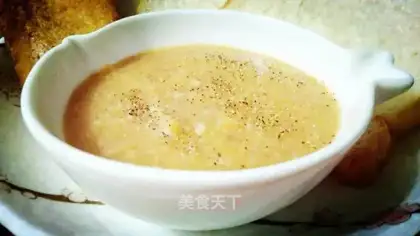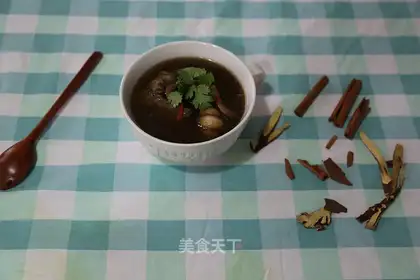
When it comes to rib tea, you think first of all of this is a classic food from Malaysia, but very few know that she is actually from the tea practice of our Han folk. It is prevalent mainly in South-East Asia and the Senang region as a way of eating both meat and tea. In the Fujian language, called Bak-Kut-Teh, there are two types of taste: the Hainan faction in Singapore and the Fujian faction in Malaysia, the difference being that the former is more peppery and the latter is more medicinal. What's the story of "bone tea"? And listens to the small game: The Chinese came to South China to start a business in poor conditions, and many suffered from rheumatism because they were not comfortable with the hot weather. In order to cure the cold, the aforemen used a variety of medicines, including acquit, accompaniment, party membership, etc., to cook, but for taboo reasons, they were referred to as “tea”. On one occasion, one of them accidentally put a pig's bones in a " tea soup" which, I can't believe, tastes so good and unique. Subsequently, tea formulations have been specially adapted and continuously improved, making them one of the famous local foods. I've prepared for you today a delicious rib tea