Introduction
Nameko mushrooms (Pholiota nameko), known for their slimy, gelatinous caps and mild, slightly nutty flavor, are a staple in Japanese cuisine and increasingly popular worldwide. These small, amber-colored mushrooms not only add a unique texture to dishes like soups, stir-fries, and sauces but also pack a impressive nutritional profile. Revered for both their culinary versatility and medicinal properties, Nameko mushrooms have been used in traditional Asian medicine for centuries and are now recognized by modern science as a functional food. This article explores the nutritional value of Nameko mushrooms, their evidence-based health benefits, and important precautions for consumption.
Nutritional Value of Nameko Mushrooms
Nameko mushrooms are a low-calorie, nutrient-dense food, offering a rich array of vitamins, minerals, proteins, and bioactive compounds. A 100-gram serving of fresh Nameko mushrooms (approximately 1.5 cups) contains roughly 22 calories, 1.8 grams of protein, 0.1 grams of fat, and 3.6 grams of carbohydrates, including 1.5 grams of dietary fiber. Their nutritional composition makes them an excellent addition to balanced diets, particularly for those seeking to boost nutrient intake without excessive calories.
Protein and Amino Acids
As a plant-based protein source, Nameko mushrooms contain all nine essential amino acids, including lysine, leucine, and phenylalanine, which are vital for muscle repair, immune function, and hormone synthesis. While their protein content is lower than animal products, it is comparable to other mushrooms such as shiitake or oyster mushrooms, making them valuable for vegetarian and vegan diets.
Vitamins
Nameko mushrooms are rich in B vitamins, which play key roles in energy metabolism, nervous system health, and red blood cell formation. Notably, they contain:
- Vitamin B2 (Riboflavin): Important for converting food into energy and maintaining healthy skin and eyes. A 100-gram serving provides about 0.3 mg, or 17% of the daily recommended intake (DRI).
- Vitamin B3 (Niacin): Supports digestive system, skin health, and nerve function. Nameko mushrooms offer approximately 3.6 mg per 100 grams (19% of DRI).
- Vitamin B5 (Pantothenic Acid): Essential for synthesizing hormones and cholesterol, with 100 grams providing 1.5 mg (25% of DRI).
They are also a rare plant-based source of vitamin D2 (ergocalciferol), especially when exposed to UV light during growth. Vitamin D is critical for calcium absorption, bone health, and immune regulation.
Minerals
Nameko mushrooms are a good source of essential minerals, including:
- Potassium: 396 mg per 100 grams (8% of DRI), which helps regulate blood pressure and fluid balance.
- Phosphorus: 120 mg (10% of DRI), vital for bone health and ATP production (the body’s energy currency).
- Copper: 0.3 mg (33% of DRI), a trace mineral involved in iron metabolism, antioxidant defense, and connective tissue formation.
- Selenium: 6.5 mcg (12% of DRI), an antioxidant that protects cells from damage and supports thyroid function.
Beta-Glucans
One of the most significant bioactive compounds in Nameko mushrooms is beta-glucans, a type of soluble fiber known for its immune-modulating effects. Beta-glucans enhance the activity of macrophages (immune cells that engulf pathogens) and natural killer (NK) cells, thereby strengthening the body’s defense against infections and chronic diseases.
Polysaccharides and Antioxidants
Nameko mushrooms contain polysaccharides such as namekan, a unique compound studied for its anti-inflammatory and anti-cancer properties. Additionally, they are rich in antioxidants like ergothioneine and glutathione, which neutralize harmful free radicals, reduce oxidative stress, and lower the risk of chronic conditions such as heart disease and cancer.
Health Benefits of Nameko Mushrooms
The combination of nutrients and bioactive compounds in Nameko mushrooms contributes to a range of health benefits, supported by both traditional use and scientific research.
1. Immune System Support
Beta-glucans in Nameko mushrooms are well-documented for their immune-boosting effects. A 2018 study published in the Journal of Ethnopharmacology found that beta-glucans from Pholiota nameko enhanced macrophage activity and increased the production of cytokines (proteins that regulate immune responses). This makes Nameko mushrooms a valuable food for preventing infections, particularly during cold and flu season.
2. Anti-Inflammatory Properties
Chronic inflammation is linked to numerous health issues, including arthritis, diabetes, and heart disease. Nameko mushrooms contain polysaccharides and antioxidants that inhibit pro-inflammatory enzymes like COX-2 and cytokines such as TNF-α. A 2020 study in Food & Function demonstrated that extracts from Nameko mushrooms reduced inflammation in human colon cells, suggesting potential benefits for managing inflammatory bowel diseases (IBD).
3. Heart Health
Nameko mushrooms support cardiovascular health through multiple mechanisms. Their high potassium content helps lower blood pressure by counteracting the effects of sodium, while their beta-glucans reduce LDL (“bad”) cholesterol levels by inhibiting cholesterol absorption in the gut. Additionally, the antioxidants in Nameko mushrooms prevent oxidative damage to blood vessels, reducing the risk of atherosclerosis (hardening of the arteries).
4. Anticancer Potential
Preliminary studies suggest that Nameko mushrooms may have anticancer properties. The polysaccharide namekan has been shown to induce apoptosis (programmed cell death) in cancer cells and inhibit tumor growth in animal models. A 2019 study in Oncology Reports found that Nameko extract suppressed the proliferation of human breast cancer cells by regulating cell cycle pathways. While more human trials are needed, these findings highlight the mushroom’s potential as a complementary therapy in cancer prevention.
5. Digestive Health
The dietary fiber in Nameko mushrooms promotes healthy digestion by adding bulk to stool and supporting the growth of beneficial gut bacteria. Beta-glucans act as prebiotics, feeding probiotics like Lactobacillus and Bifidobacterium, which are essential for gut microbiome balance. A healthy gut microbiome is linked to improved immunity, mental health, and reduced risk of gastrointestinal disorders.
6. Skin Health
Nameko mushrooms are rich in antioxidants like ergothioneine, which protect skin cells from UV damage and environmental pollutants. Vitamin B2 and B3 in the mushrooms also support skin barrier function and reduce inflammation, making them beneficial for conditions like acne and eczema. Additionally, their high water content (over 90%) helps keep the skin hydrated and supple.
Precautions and Potential Side Effects
While Nameko mushrooms are generally safe for most people, certain precautions should be taken to avoid adverse effects.
1. Allergic Reactions
Although rare, some individuals may be allergic to Nameko mushrooms. Symptoms can range from mild (itching, hives) to severe (anaphylaxis, difficulty breathing). Those with a known mushroom allergy should avoid Nameko mushrooms altogether.
2. Purine Content
Nameko mushrooms contain purines, natural compounds that break down into uric acid in the body. High uric acid levels can trigger gout, a painful form of arthritis, in susceptible individuals. People with gout or kidney problems should consume Nameko mushrooms in moderation and consult a healthcare provider if unsure.
3. Pesticide Residues
Like all mushrooms, Nameko mushrooms may absorb pesticides or heavy metals from their growing environment. To minimize risk, purchase mushrooms from reputable sources and wash them thoroughly before consumption. Organic Nameko mushrooms are a safer option if available.
4. Drug Interactions
Nameko mushrooms may interact with certain medications due to their beta-glucan content. For example, they may enhance the effects of blood-thinning drugs (e.g., warfarin) and immunosuppressants (e.g., cyclosporine). Individuals taking these medications should consult their doctor before adding Nameko mushrooms to their diet.
5. Cooking Requirements
Raw Nameko mushrooms contain chitin, a tough fiber that is difficult to digest and may cause gastrointestinal discomfort. Cooking breaks down chitin and enhances the bioavailability of nutrients, making Nameko mushrooms safer and more nutritious when consumed cooked.
Culinary Uses and Preparation Tips
Nameko mushrooms are prized for their slimy texture, which adds thickness and richness to soups and sauces. Here are some popular ways to prepare them:
- Soups and Hot Pots: Nameko mushrooms are a key ingredient in miso soup and sukiyaki, where their slimy coating helps thicken the broth.
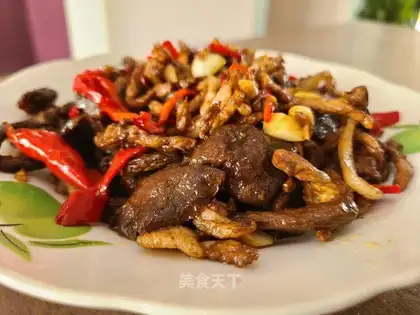
- Stir-fries: Pair them with vegetables, tofu, or meat for a quick and nutritious meal.
- Sauces and Gravies: Their gelatinous texture makes them ideal for adding body to creamy sauces.
- Rice Dishes: Mix cooked Nameko mushrooms into rice or risotto for extra flavor and nutrients.
When preparing Nameko mushrooms, trim the stems and wash them gently under running water to remove dirt. Sauté, boil, or steam them for 5–10 minutes until tender, avoiding overcooking to preserve their nutritional value.
Conclusion
Nameko mushrooms are a nutritional powerhouse, offering a unique combination of protein, vitamins, minerals, and bioactive compounds that support immune health, reduce inflammation, and protect against chronic diseases. Their versatility in cooking makes them an easy addition to a healthy diet, while their low calorie and high nutrient content make them suitable for weight management. However, individuals with allergies, gout, or those taking certain medications should consume them with caution. By incorporating cooked Nameko mushrooms into meals, people can enjoy both their culinary appeal and impressive health benefits, making them a valuable component of a balanced and nutritious diet.