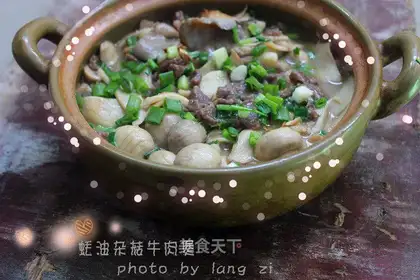
The common mushroom, scientifically known as Agaricus bisporus, is one of the most widely consumed fungi globally, cherished for its mild flavor, versatile culinary applications, and impressive nutritional profile. Often referred to as the "button mushroom" in its immature form or "cremini" when mature, this humble fungus has transcended its role as a simple garnish to become a staple in health-conscious diets. Beyond its culinary appeal, the double-spored mushroom (named for its two spores per basidium) packs a dense array of vitamins, minerals, antioxidants, and bioactive compounds that contribute to overall health. However, like all foods, it must be consumed mindfully to avoid potential risks. This article explores the nutritional value, health benefits, and precautions associated with Agaricus bisporus, offering a comprehensive guide to incorporating this "functional food" into a balanced diet.
I. Nutritional Value: A Breakdown of Key Components
Agaricus bisporus is a low-calorie, nutrient-dense food that provides a wealth of essential nutrients while being naturally fat-free, cholesterol-free, and low in sodium. Its nutritional composition makes it a standout in the produce aisle, offering benefits that extend far basic sustenance.
1. Macronutrients: Lean, Protein-Rich, and Fiber-Filled
A 100-gram serving of raw button mushrooms contains approximately 22 calories, 3.1 grams of protein, 0.3 grams of fat, and 3.2 grams of carbohydrates, with 1 gram being dietary fiber. Unlike many plant-based proteins, mushrooms contain all nine essential amino acids, though in smaller quantities than animal sources, making them a valuable complement to vegetarian and vegan diets. The fiber content, primarily beta-glucans, supports digestive health by promoting regularity and feeding beneficial gut bacteria.
2. Micronutrients: A Source of Vitamins and Minerals
Mushrooms are exceptional sources of several micronutrients often lacking in typical diets:
- B Vitamins: They are rich in riboflavin (B2), niacin (B3), pantothenic acid (B5), and folate (B9). B vitamins play critical roles in energy metabolism, nervous system function, and red blood cell production. For example, niacin helps convert food into energy, while folate is vital for DNA synthesis and cell division, making mushrooms particularly beneficial for pregnant individuals.
- Minerals: Agaricus bisporus is a good source of potassium (318 mg per 100 grams), which regulates blood pressure and fluid balance; selenium (17.1 mcg), a powerful antioxidant that supports immune function and thyroid health; and copper (0.3 mg), which aids in iron absorption and collagen formation. Additionally, they provide small amounts of phosphorus, iron, and zinc.
- Vitamin D: When exposed to ultraviolet (UV) light, mushrooms synthesize vitamin D2, a rare plant-based source of this nutrient. Just 100 grams of UV-exposed mushrooms can provide up to 100% of the daily recommended intake of vitamin D, which is crucial for bone health and immune regulation.
3. Bioactive Compounds: Antioxidants and Medicinal Molecules
Beyond vitamins and minerals, Agaricus bisporus contains unique bioactive compounds that contribute to its health-promoting properties:
- Ergothioneine: A sulfur-containing amino acid and potent antioxidant, ergothioneine is found in high concentrations in mushrooms. It protects cells from oxidative stress, which is linked to chronic diseases like cancer, heart disease, and neurodegenerative disorders. Humans cannot synthesize ergothioneine, making dietary sources like mushrooms essential.
- Polysaccharides: Beta-glucans and chitin are complex carbohydrates that act as prebiotics, nourishing gut microbiota, and modulating immune responses. Research suggests these compounds may enhance immune cell activity and reduce inflammation.
- Phenolic Compounds: Mushrooms contain phenolic acids such as gallic acid and ferulic acid, which exhibit antioxidant and anti-inflammatory effects. These compounds help neutralize free radicals, reducing the risk of cellular damage.
II. Health Benefits: From Immune Support to Disease Prevention
The combination of nutrients and bioactive compounds in Agaricus bisporus confers a range of health benefits, backed by growing scientific evidence.
1. Immune System Modulation
Mushrooms are renowned for their immune-enhancing properties, largely due to beta-glucans. These polysaccharides bind to receptors on immune cells (such as macrophages and natural killer cells), stimulating their activity and improving the body’s ability to fight infections. A 2019 study published in the Journal of the American College of Nutrition found that daily mushroom consumption increased production of immunoglobulin A (IgA), an antibody that protects mucous membranes, reducing the risk of respiratory infections.
2. Antioxidant and Anti-Inflammatory Effects
Chronic inflammation and oxidative stress are underlying factors in many diseases, including cancer, diabetes, and arthritis. Agaricus bisporus is rich in antioxidants like ergothioneine, selenium, and phenolic compounds, which neutralize free radicals and reduce pro-inflammatory cytokines. A 2020 Food & Function study demonstrated that mushroom extract suppressed the activity of NF-κB, a protein complex that triggers inflammation, suggesting potential for managing inflammatory conditions.
3. Cardiovascular Health
The potassium and fiber in mushrooms make them heart-healthy foods. Potassium counteracts the effects of sodium, lowering blood pressure and reducing the risk of stroke. Meanwhile, fiber helps lower LDL ("bad") cholesterol by binding to bile acids in the digestive system, promoting their excretion. A 2018 review in Nutrients concluded that regular mushroom consumption is associated with a 35% lower risk of cardiovascular disease, attributed to their synergistic effects on blood pressure, cholesterol, and inflammation.
4. Cancer Prevention and Adjunct Therapy
Preclinical studies suggest that Agaricus bisporus may inhibit tumor growth and enhance the efficacy of conventional cancer treatments. Beta-glucans have been shown to induce apoptosis (programmed cell death) in cancer cells and reduce metastasis. Additionally, mushrooms contain lectins, proteins that may prevent cancer cells from multiplying. While human trials are limited, a 2021 study in Oncology Reports found that mushroom extract enhanced the effects of chemotherapy in breast cancer patients by reducing side effects and improving immune function.
5. Blood Sugar Regulation
With a low glycemic index (GI) and high fiber content, mushrooms are an excellent food for individuals with diabetes or prediabetes. Fiber slows carbohydrate absorption, preventing spikes in blood sugar. Furthermore, research indicates that mushroom polysaccharides may improve insulin sensitivity by modulating gut microbiota and reducing inflammation in adipose tissue. A 2022 study in Journal of Medicinal Food found that diabetic rats fed a mushroom-supplemented diet had 40% lower fasting blood glucose levels than controls.
6. Gut Health and Microbiome Balance
As a prebiotic, Agaricus bisporus supports the growth of beneficial gut bacteria like Bifidobacterium and Lactobacillus, which are essential for digestion, immune function, and mental health. A healthy microbiome also reduces the risk of irritable bowel syndrome (IBS) and inflammatory bowel disease (IBD). The chitin in mushrooms adds bulk to stool, promoting regularity and preventing constipation.
III. Culinary Uses: Versatility in the Kitchen
Beyond its health benefits, Agaricus bisporus is celebrated for its culinary versatility. Its mild, umami-rich flavor complements a wide range of dishes, from salads and soups to stir-fries and grilled meats. Cooking enhances its bioavailability: heat breaks down chitin, making nutrients like protein and beta-glucans more easily absorbed.
- Raw: Thinly sliced mushrooms add crunch to salads, while marinated mushrooms make a flavorful appetizer.
- Sautéed: Lightly sautéing with garlic and olive brings out their earthy notes, perfect for pasta, omelets, or as a side dish.
- Grilled/Baked: Whole mushrooms can be stuffed with herbs, cheese, or grains and baked, or grilled as a meat substitute for burgers.
- Dried: Dried mushrooms rehydrate to intensify their flavor, adding depth to soups, stews, and risottos.
IV. Precautions and Potential Risks
While Agaricus bisporus is safe for most people, certain precautions must be taken to avoid adverse effects:
1. Allergic Reactions
Mushroom allergies are rare but can cause symptoms ranging from mild (hives, itching) to severe (anaphylaxis). Individuals with a history of mushroom allergies should avoid consumption.
2. Toxicity Concerns with Wild Varieties
Agaricus bisporus sold in supermarkets is safe to eat, but wild mushrooms can be toxic. Foragers must never consume unidentified mushrooms, as some species (e.g., Amanita) are deadly.
3. Contamination and Pesticides
Conventionally grown mushrooms may be treated with pesticides or fungicides. Washing thoroughly under running water reduces residue, but organic mushrooms are a safer option for those concerned about chemical exposure.
4. Digestive Issues
Mushrooms contain chitin, a fiber that can be difficult to digest, causing bloating or gas in sensitive individuals. Cooking thoroughly and starting with small portions can mitigate these effects.
5. Interactions with Medications
Mushrooms may interact with blood thinners (e.g., warfarin) due to their vitamin K content, which affects clotting. Individuals on such medications should consult a doctor before increasing mushroom intake.
6. Gout Risk
Mushrooms are moderately high in purines, compounds that can trigger gout in susceptible individuals. Those with a history of gout should consume mushrooms in moderation.
V. Conclusion: A Staple for Health and Wellness
Agaricus bisporus is more than just a culinary delight—it is a nutritional powerhouse that supports immune function, reduces inflammation, promotes heart health, and may even play a role in cancer prevention. Its low calorie, high nutrient, and versatile nature make it an ideal addition to any diet, from plant-based to omnivorous. However, mindful consumption is key: avoiding wild varieties, washing thoroughly, and being aware of potential allergies or medication interactions ensures this fungus remains a safe and beneficial choice.
As research continues to uncover the therapeutic potential of mushrooms, one thing is clear: the common button mushroom deserves a place at the forefront of functional foods. Whether enjoyed raw in a salad, sautéed as a side, or simmered in a soup, Agaricus bisporus offers a delicious and effective way to enhance health and well-being—one bite at a time.