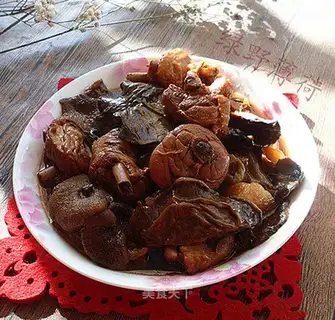
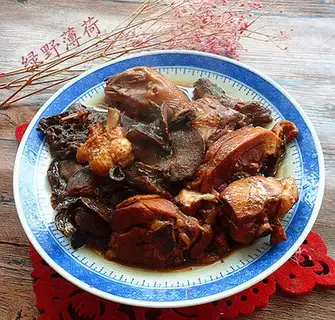
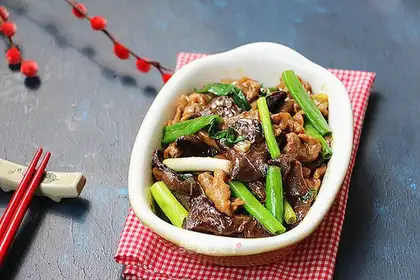
Pine mushrooms (Tricholoma matsutake in East Asia, Tricholoma magnivelare in North America) are prized worldwide for their distinctive aroma, earthy flavor, and cultural significance. Often called "the king of mushrooms" in Japan, China, and Korea, they grow exclusively in symbiosis with pine trees, thriving in the dappled shade of mature forests. Beyond their culinary allure, pine mushrooms are a nutritional treasure trove, offering a unique blend of vitamins, minerals, bioactive compounds, and dietary fiber. However, like many wild foods, they require careful handling and knowledge of safe consumption practices. This article explores the nutritional value, health benefits, and precautions associated with pine mushrooms, providing a comprehensive guide for enthusiasts and health-conscious individuals alike.
I. Nutritional Value of Pine Mushrooms
Pine mushrooms stand out among edible fungi for their rich and diverse nutritional profile, combining essential macronutrients, micronutrients, and bioactive compounds that contribute to overall health.
1. Macronutrients: Low-Calorie, High-Protein, and Fiber-Rich
Pine mushrooms are remarkably low in calories, with approximately 22 calories per 100 grams, making them an ideal food for weight management. They are a good source of plant-based protein, containing 3-4 grams per 100 grams—comparable to legumes like chickpeas. This protein includes all essential amino acids, such as lysine, leucine, and phenylalanine, which are vital for muscle repair, immune function, and enzyme synthesis.
Their high fiber content (2-3 grams per 100 grams) supports digestive health. Insoluble fiber adds bulk to stool, preventing constipation, while soluble fiber (such as beta-glucans) acts as a prebiotic, feeding beneficial gut bacteria and promoting a balanced microbiome.
2. Micronutrients: Vitamins and Minerals
Pine mushrooms are a potent source of B vitamins, which play critical roles in energy metabolism, nervous system function, and red blood cell production. Notably, they contain:
- Vitamin B3 (Niacin): 4.9 mg per 100 grams (31% of the Daily Value, DV), which aids in converting food into energy and maintaining healthy skin.
- Vitamin B5 (Pantothenic acid): 2.3 mg (46% DV), essential for hormone synthesis and stress response.
- Vitamin B2 (Riboflavin): 0.4 mg (23% DV), supporting eye health and energy production.
- Vitamin D2: When exposed to sunlight (e.g., dried pine mushrooms), they can provide up to 18% DV of vitamin D, crucial for bone health and immune regulation.
Minitionally, pine mushrooms are rich in essential minerals:
- Potassium: 500 mg per 100 grams (11% DV), which regulates blood pressure and fluid balance.
- Phosphorus: 120 mg (15% DV), vital for bone formation and cell energy (ATP).
- Selenium: 9.3 micrograms (17% DV), a powerful antioxidant that protects cells from damage and supports thyroid function.
- Copper: 0.5 mg (56% DV), necessary for iron absorption and nervous system health.
3. Bioactive Compounds: Antioxidants and Anti-Inflammatory Agents
The most remarkable aspect of pine mushrooms is their concentration of bioactive compounds, including polysaccharides, triterpenoids, and phenolic acids, which contribute to their medicinal properties.
- Polysaccharides: Such as beta-glucans, these complex carbohydrates have immunomodulatory effects, enhancing the activity of macrophages and natural killer (NK) cells to fight infections and reduce inflammation.
- Triterpenoids: Compounds like matsutakeol have been studied for their anti-cancer potential, inhibiting tumor cell proliferation and inducing apoptosis (programmed cell death) in laboratory studies.
- Phenolic Acids: Chlorogenic acid and ferulic acid act as antioxidants, neutralizing free radicals and oxidative stress linked to chronic diseases like heart disease and diabetes.
II. Health Benefits of Pine Mushrooms
The combination of nutrients and bioactive compounds in pine mushrooms translates to a range of health benefits, from boosting immunity to supporting metabolic health.
1. Immune System Support
Pine mushrooms are renowned for their immune-enhancing properties. Beta-glucans, a type of polysaccharide, activate the immune system by binding to receptors on immune cells, triggering a cascade of responses that enhance pathogen defense. Research shows that regular consumption of pine mushroom extracts can increase the production of cytokines (proteins that regulate immune activity) and improve the body’s ability to fight viral and bacterial infections. For example, a 2018 study published in the Journal of Ethnopharmacology found that Tricholoma matsutake polysaccharides enhanced macrophage activity in mice, reducing inflammation and improving clearance of harmful bacteria.
2. Anti-Inflammatory and Antioxidant Effects
Chronic inflammation is a root cause of many diseases, including arthritis, diabetes, and heart disease. Pine mushrooms contain potent anti-inflammatory compounds, such as triterpenoids and phenolic acids, that inhibit the production of pro-inflammatory cytokines like TNF-α and IL-6. A 2020 study in Food & Function demonstrated that extracts from Tricholoma magnivelare reduced inflammation in human colon cells by suppressing the NF-κB pathway, a key regulator of inflammatory responses.
Their antioxidant capacity is equally impressive. The selenium and phenolic acids in pine mushrooms neutralize free radicals, preventing oxidative damage to DNA, proteins, and lipids. This may lower the risk of chronic diseases and slow the aging process. For instance, a 2019 study in Antioxidants found that pine mushroom supplementation reduced markers of oxidative stress in elderly adults, improving cellular health.
3. Cardiovascular Health
Pine mushrooms support heart health through multiple mechanisms. Their high potassium content helps regulate blood pressure by counteracting the effects of sodium, while their fiber binds to cholesterol in the digestive system, reducing its absorption. A 2021 review in Phytotherapy Research highlighted that triterpenoids in pine mushrooms inhibit the enzyme HMG-CoA reductase, which plays a role in cholesterol synthesis—similar to the action of statin drugs. Additionally, their antioxidants prevent the oxidation of LDL ("bad") cholesterol, a key step in the development of atherosclerosis.
4. Blood Sugar Regulation
For individuals with diabetes or insulin resistance, pine mushrooms may offer benefits. Their fiber content slows the digestion and absorption of carbohydrates, preventing sharp spikes in blood sugar. Furthermore, polysaccharides in pine mushrooms have been shown to enhance insulin sensitivity by improving glucose uptake in cells. A 2017 study in Journal of Medicinal Food found that diabetic rats fed pine mushroom extracts had lower fasting blood sugar levels and improved insulin resistance compared to the control group.
5. Anti-Cancer Potential
While research is still in the early stages, pine mushrooms show promise as a complementary therapy for cancer. Triterpenoids like matsutakeol have been found to inhibit the growth of cancer cells in vitro, including those of the breast, lung, and colon. A 2022 study in Oncology Reports demonstrated that matsutakeol induced apoptosis in human liver cancer cells by activating caspase enzymes, which trigger programmed cell death. Additionally, beta-glucans enhance the immune system’s ability to recognize and destroy cancer cells, making pine mushrooms a potential adjuvant to conventional cancer treatments.
6. Digestive Health
The fiber and prebiotics in pine mushrooms promote a healthy gut microbiome. Soluble fiber ferments in the colon, producing short-chain fatty acids (SCFAs) like butyrate, which nourish colon cells and reduce inflammation. This may lower the risk of inflammatory bowel diseases (IBD) and colorectal cancer. A 2016 study in Beneficial Microbes found that pine mushroom polysaccharides increased the population of Bifidobacterium and Lactobacillus, beneficial bacteria that support digestion and immune function.
III. Safe Consumption: Precautions and Potential Side Effects
While pine mushrooms are highly nutritious and delicious, improper harvesting, preparation, or consumption can lead to adverse effects. Understanding these risks is essential for safe enjoyment.
1. Identification and Sourcing
The most critical precaution is ensuring that mushrooms are correctly identified. Pine mushrooms (Tricholoma matsutake and T. magnivelare) have distinctive features: a convex to flat cap with brown, fibrous scales; a white to pinkish stem; and a spicy, aromatic odor. However, they can be confused with toxic look-alikes such as Tricholoma pardinum (a poisonous species) or Gyromitra esculenta (false morel, which contains gyromitrin, a toxin that causes organ failure).
Foragers should rely on expert guidance or reputable field guides and avoid consuming wild mushrooms unless they are 100% certain of the species. Commercially sourced pine mushrooms (e.g., from farmers’ markets or specialty stores) are a safer option, as they are harvested and inspected by professionals.
2. Cooking and Preparation
Raw pine mushrooms contain chitin, a tough fiber that is difficult to digest, as well as potential heat-sensitive toxins. Cooking breaks down chitin, making nutrients more bioavailable, and neutralizes any harmful compounds. Pine mushrooms should be sautéed, grilled, or stewed thoroughly—never eaten raw. Additionally, their stems are often tough and fibrous, so many chefs prefer to use only the caps or peel the stems before cooking.
3. Allergic Reactions
While rare, some individuals may be allergic to pine mushrooms. Symptoms can range from mild (itching, hives) to severe (anaphylaxis, difficulty breathing). Those with a history of mushroom allergies should avoid pine mushrooms altogether. If trying them for the first time, start with a small portion and monitor for adverse reactions.
4. Interaction with Medications
Pine mushrooms may interact with certain medications due to their bioactive compounds. For example:
- Blood Thinners: The high vitamin K content in pine mushrooms can interfere with anticoagulants like warfarin, reducing their effectiveness. Individuals taking such medications should consume pine mushrooms in moderation and consult their doctor.
- Diabetes Drugs: Pine mushrooms’ ability to lower blood sugar may enhance the effects of insulin or oral diabetes medications, increasing the risk of hypoglycemia. Diabetics should monitor their blood sugar levels closely when adding pine mushrooms to their diet.
- Immunosuppressants: The immunomodulatory effects of beta-glucans may interfere with medications that suppress the immune system (e.g., after organ transplantation). Patients on such drugs should seek medical advice before consuming pine mushrooms.
5. Environmental Contamination
Wild pine mushrooms can absorb heavy metals, pesticides, or other toxins from the soil, especially if they grow in polluted areas. Foragers should avoid harvesting from near roadsides, industrial sites, or chemically treated forests. Commercially grown pine mushrooms are less likely to be contaminated, as they are cultivated in controlled environments.
IV. Culinary Uses and Cultural Significance
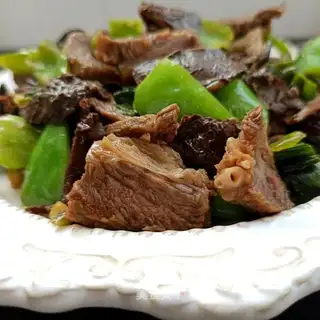
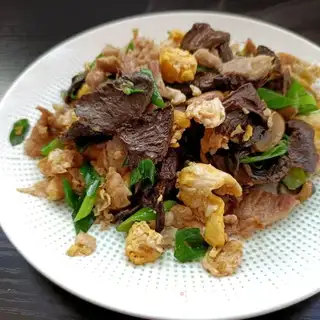
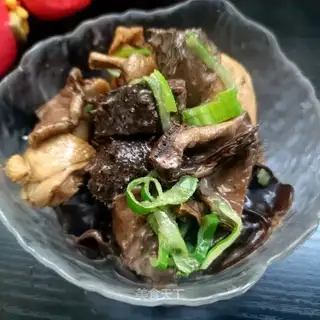
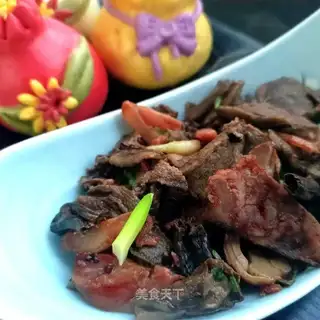
Beyond their health benefits, pine mushrooms are a culinary delicacy in many cultures. In Japan, matsutake is highly prized and often used in traditional dishes like matsutake gohan (a rice dish flavored with pine mushrooms) and matsutake sukiyaki. In Korea, songi is grilled with garlic and soy sauce or added to stews, while in North America, pine mushrooms are sautéed with butter and herbs or used in pasta sauces.
Their unique aroma—described as spicy, pine-like, and earthy—comes from volatile compounds such as matsutake alcohol and 1-octen-3-ol. This aroma intensifies upon cooking, making pine mushrooms a standout ingredient in both simple and complex dishes.
Conclusion
Pine mushrooms are a true superfood, offering a rare combination of nutritional value, health benefits, and culinary excellence. From boosting immunity and reducing inflammation to supporting heart health and blood sugar regulation, their bioactive compounds make them a valuable addition to a balanced diet. However, their safe consumption hinges on proper identification, thorough cooking, and awareness of potential interactions with medications or health conditions.
For those who appreciate both flavor and function, pine mushrooms are a testament to the power of nature’s bounty. By respecting their wild origins and approaching them with knowledge and care, we can enjoy their unique benefits while minimizing risks. Whether sautéed as a side dish or simmered in a stew, pine mushrooms are a reminder that some of the greatest treasures—both for our health and our palates—are found in the forest.